Sam Seder
@TheMajorityReport·2M subscribers·30.1K videos
Here's The Good, The Bad And The Ugly Of What's Left In Biden's 'Build Back Better' Bill
Posted
October 30, 2021
Views
13,497
Likes
596
Comments
126
Engagement
5.35%
October 30, 2021
13,497
596
126
5.35%
Every word spoken in this episode is indexed. Type any phrase to jump straight to the moment it was said.
Type any word or phrase that may have been spoken. Click a result to seek the player to that exact moment.
Try a name, a topic, or a quoted line
 29:43Now Playing
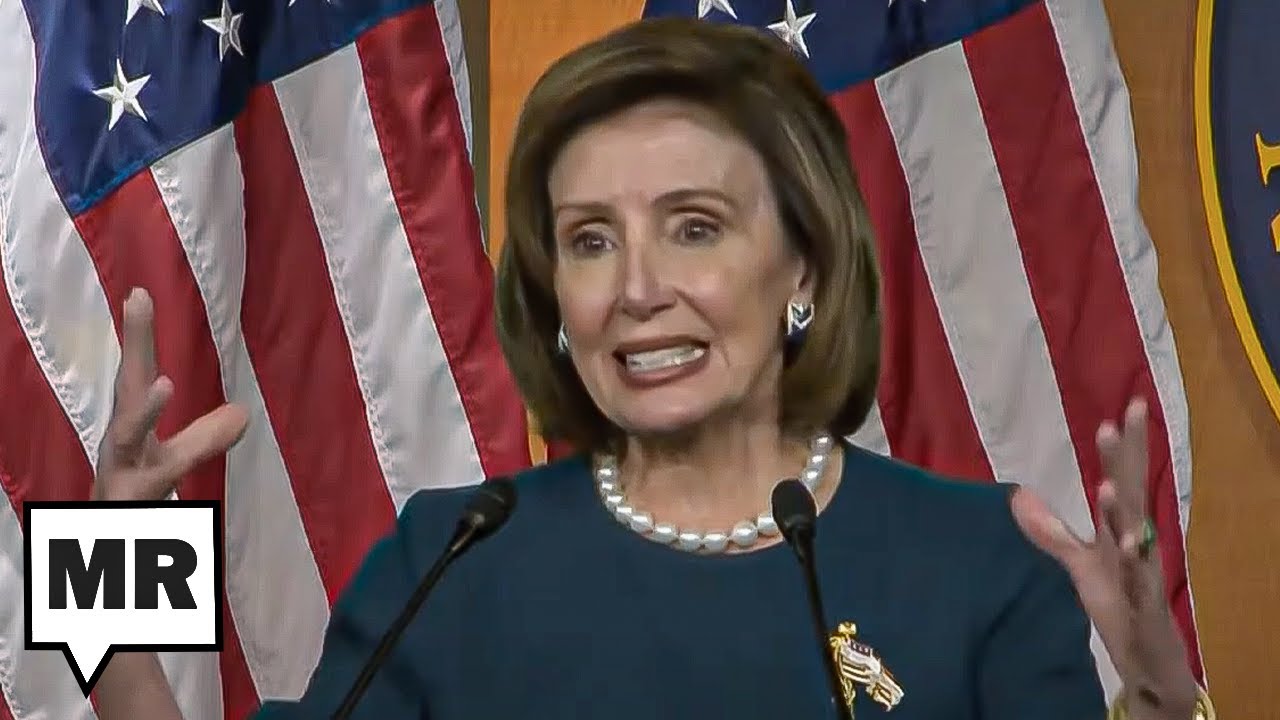
Journalist and Executive Editor of The Prospect David Dayen joins the show to discuss the "Build Back Better" infrastructure bill: clean energy tax credits, the child tax credit, universal pre-K, health care, and so on. The Majority Report crew joins in.
We stream our live show every day at 12 PM ET.
We need your help to keep providing free videos! Support the Majority Report's video content by going to
Watch the Majority Report live MF at 12 p.m. EST at youtube.com/samseder or listen via daily podcast at
Download our FREE app
SUPPORT the show by becoming a member
We Have Merch!!!
LIKE us on Facebook
FOLLOW us on Twitter
SUBSCRIBE to us on YouTube
Sam Seder: Let's start with climate investments $555 billion as of today. Anyways and about a fifth of that is to dealing with climate change as opposed to trying to mitigate it or prevent it to the extent that we can um where does that where does that come in in terms of expectations like what are what are uh well climate hawks saying about this?
David Dayen: The Biden framework called for I think $600 billion in the resiliency slash climate, clean energy space, so they didn't really come down very much and that's that's with you know a guy who whose campaign ad took a rifle and shot a cap and trade bill uh as as the fulcrum point, so I think climate hawks are pretty pretty pleased from a relative standpoint with this legislation. It does include a couple things, like it does not repeal fossil fuel tax credits. I think that maybe is the biggest sticking point. What tax credits it gives to things like carbon capture, nuclear pretty minimal. This actually is a very large investment in incentives for clean energy. There are no penalties, very few penalties, for not moving forward on clean energy in the bill, which was this main centerpiece right, the clean energy performance program, which would have said to utilities, we'll give you money if you start, you know, "greening" your set of electricity, and we will penalize you if you don't. That was the the the centerpiece of the bill that came out. But all of that money, or virtually all that money, was moved towards incentives, tax credits for construction of clean energy manufacturing, insourcing supply chains on things like solar and wind and steel and aluminum and things like that, electric vehicle rebates, energy efficiency rebates. It's about five times the amount of what was in the stimulus package in 2009, which did yield a boom in certain clean energy investment things, like Tesla and things like that, so if you listen to people who have modeled this stuff, they say that this will put us on pace to get at or near the reduction in greenhouse gas emissions that President Biden promised, which was 50 percent reduced from current levels, I believe, by 2030.
Sentinel Indexing in Progress
Metadata and chapters are available. Claim extraction for this episode is pending.
All video content is delivered via YouTube embedded players in accordance with the YouTube Terms of Service. Sentinel provides research tools that promote discovery and accountability across political media.