Sam Seder
@TheMajorityReport·2M subscribers·30.1K videos
How The George Floyd Rebellion Changed America | Jarrod Shanahan & Zhandarka Kurti | TMR
Posted
May 6, 2023
Views
4,489
Likes
229
Comments
56
Engagement
6.35%
May 6, 2023
4,489
229
56
6.35%
Every word spoken in this episode is indexed. Type any phrase to jump straight to the moment it was said.
Type any word or phrase that may have been spoken. Click a result to seek the player to that exact moment.
Try a name, a topic, or a quoted line
 23:02Now Playing
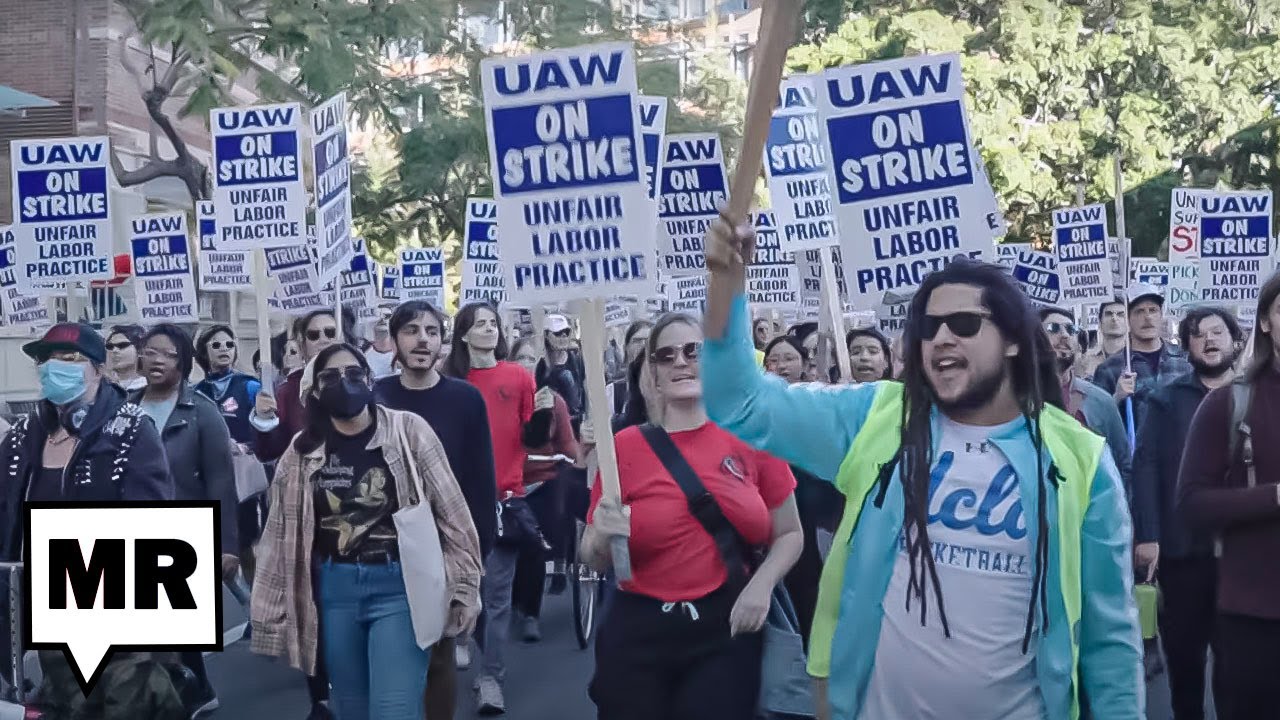
Emma hosts Jarrod Shanahan, assistant professor of criminal justice at Governors State University, and Zhandarka Kurti, assistant professor of criminology and criminal justice at Loyola University, Chicago, to discuss their recent book States of Incarceration: Rebellion, Reform, and America’s Punishment System.
Watch the Majority Report live MondayFriday at 12 p.m. EST on YouTube OR listen via daily podcast at
#SamSeder #EmmaVigeland #MajorityReport #politics #news #progressive #leftist #democrats #liberal
SUPPORT the show by becoming a member
Download TMR's FREE app
CHECK OUT MORE from the MR crew:
Matt Binder DOOMED
Brandon Sutton DISCOURSE
Emma Vigeland ESVN
Matt Lech LEFT RECKONING
OTHER LINKS:
Check out more from the MR crew:
Matt Binder DOOMED
Brandon Sutton THE DISCOURSE
Emma Vigeland ESVN
Matt Lech LEFT RECKONING
Co-authors of states of incarceration Rebellion reform and America's punishment system Jared Shanahan who is a professor of Criminal Justice at Governor State University and Jandarka Corti who is also a professor at Loyola University Chicago professor of criminology and criminal justice. Thank you, guys, so much for coming on. I really appreciate it. So yeah I never know when co-authors come on who to direct this first to. But I guess we'll start with you here. you open your book speaking about what you call the George Floyd Rebellion. Which I love that phrasing there. Because the demonstrations were acts of rebellion and acts of abolition as you discuss. Why was that reframing so important for you to emphasize? Thank you, that's such a good question. And I think you know something that Jared and I really wanted to be intentional about was the fact that we are of course A lot of people are going to be reading this book three years later. They're reflecting on the Rebellion three years after it happened. And there's a lot of liberal Amnesia just about what actually did happen during that summer of 2020. So we wanted to frame it as a rebellion because that's what it was right? It was the most spectacular form of self-activity of the millions of people you know who took part in the Rebellion in terms of direct action in terms of the diversity of tactics. And it constituted one of the largest examples of collective action in recent history. And one which was very militant and rejected not only police violence but the very society that police violence maintains right? right. Well, that militancy is also something that you both emphasize there. And that was a significant portion of demonstrators and people just involved in this action. But there also were a lot of well-meaning liberals involved right? You know coming out. So, Jared, I'll turn to you. Do you think that that was kind of overemphasized? Or do you think that helped or hurt the movement that broadened its scope?
Sentinel Indexing in Progress
Metadata and chapters are available. Claim extraction for this episode is pending.
All video content is delivered via YouTube embedded players in accordance with the YouTube Terms of Service. Sentinel provides research tools that promote discovery and accountability across political media.