Sam Seder
@TheMajorityReport·2M subscribers·30.1K videos
When Congress Passed Universal Childcare Thanks To Shirley Chisholm
Posted
May 6, 2023
Views
4,227
Likes
341
Comments
35
Engagement
8.90%
May 6, 2023
4,227
341
35
8.90%
Every word spoken in this episode is indexed. Type any phrase to jump straight to the moment it was said.
Type any word or phrase that may have been spoken. Click a result to seek the player to that exact moment.
Try a name, a topic, or a quoted line
 10:07Now Playing
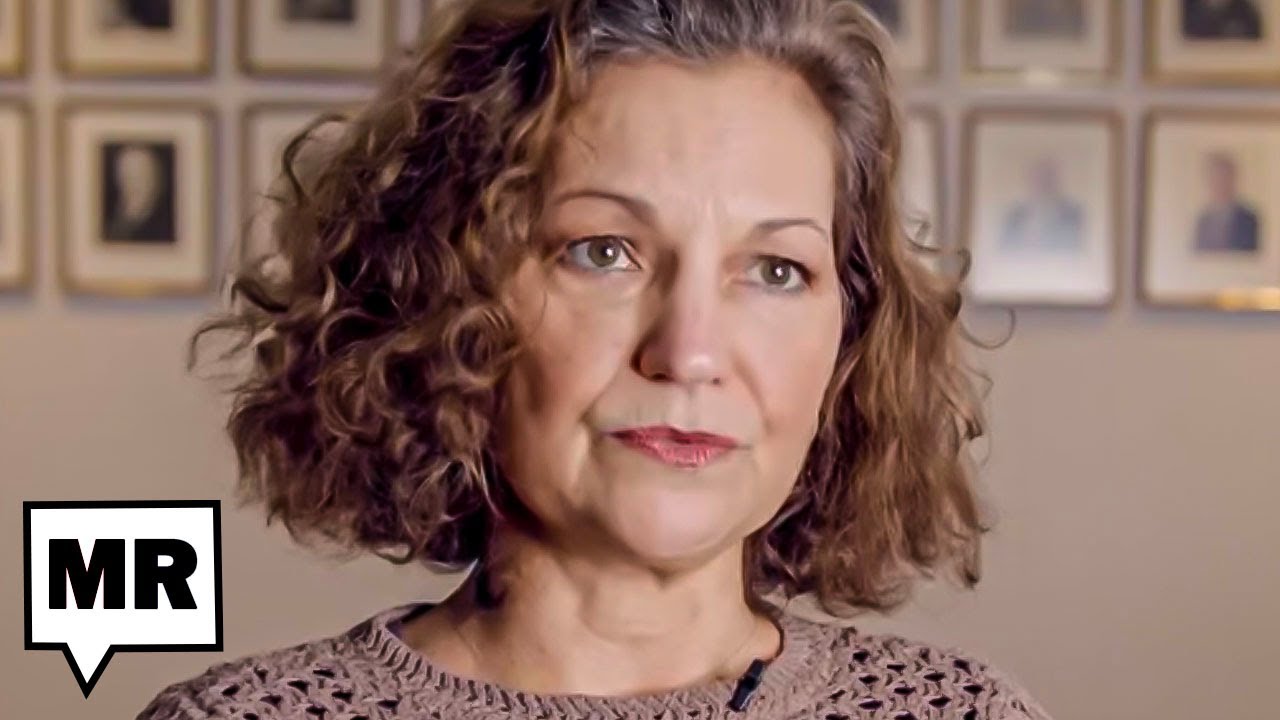
Professor of History at the University of Kentucky Anastasia Curwood, joins the program to discuss her recent book Shirley Chisholm: Champion of Black Feminist Power Politics.
Watch the Majority Report live MondayFriday at 12 p.m. EST on YouTube OR listen via daily podcast at
#SamSeder #EmmaVigeland #MajorityReport #politics #news #progressive #leftist #democrats #liberal
SUPPORT the show by becoming a member
Download TMR's FREE app
CHECK OUT MORE from the MR crew:
Matt Binder DOOMED
Brandon Sutton DISCOURSE
Emma Vigeland ESVN
Matt Lech LEFT RECKONING
OTHER LINKS:
Check out more from the MR crew:
Matt Binder DOOMED
Brandon Sutton THE DISCOURSE
Emma Vigeland ESVN
Matt Lech LEFT RECKONING
Image Credit, pingnews.com
Image has been cropped and color has been altered.
Image Credit, Shadowguy97
Image has been cropped and color has been altered.
When she was elected to Congress you know what were some of the things that she was prioritizing and championing in her first two terms before she announced her presidential run in 72? Yeah yeah, she was about halfway through her second term when she announced. And it's interesting when she got to Congress she said well I thought you know as a first-term legislator I'm not going to have that much power. I'm going to try to get three sources as much as possible for my constituents and you know and I'm gonna try to support you know the policies that I think are important. She pretty quickly became known as an outspoken critic of the status quo. And as such she got more and more ambitious. But the other thing was that you know she was really talented as a legislative thinker. She would study. She was a good student. She'd always known she was a teacher. And she was a very good student and she would study the legislation. She had really sharp staffers who you know would go over the substance of the legislation. So she understood it as well as or better than anyone else. And so she had become known as a really valuable asset and the committee she was on. And in 1971 she was on the education and labor that was committee that she had most wanted to be on. There's a whole thing about that she was on a different committee and put up a fight about it. But as a member of that committee, she became very close or had a good relationship with Carl Perkins who was the chair of that committee. Now Carl Perkins is a white guy from Kentucky. Which is where I sit right now Carl Perkins he was a Democrat. He recognized that she was advocating for a lot of the things that poor people in Kentucky needed also. Not only that but that she was such a good student of the legislature that she could figure out all sorts of nuts and bolts in that legislation. And so in 71, she put forward with Bella Abzug. I'm coming back to being a feminist. She was with her colleague from Manhattan who was a famous feminist. They put together legislation to start Universal child care in the United States. it got through both houses of Congress. It got through the conference committee which she chaired. It got to President Nixon's desk and he vetoed it because it was you know too it was Radical social legislation.
Sentinel Indexing in Progress
Metadata and chapters are available. Claim extraction for this episode is pending.
All video content is delivered via YouTube embedded players in accordance with the YouTube Terms of Service. Sentinel provides research tools that promote discovery and accountability across political media.