Startalk Plus
@startalkplus·317K subscribers·445 videos
What Gravitational Waves Really Are (and How We Detect Them)
Posted
August 22, 2025
Views
18,514
Likes
809
Comments
61
Engagement
4.70%
August 22, 2025
18,514
809
61
4.70%
Every word spoken in this episode is indexed. Type any phrase to jump straight to the moment it was said.
Type any word or phrase that may have been spoken. Click a result to seek the player to that exact moment.
Try a name, a topic, or a quoted line
 6:54Now Playing
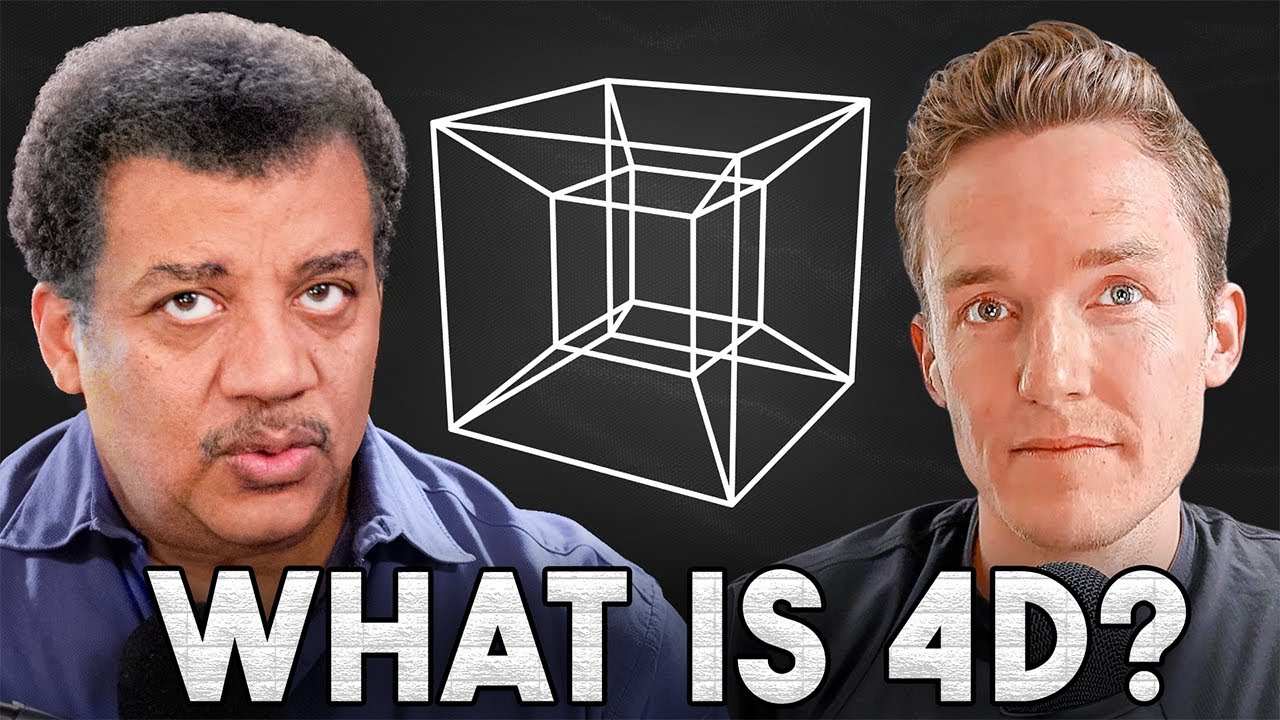
Neil deGrasse Tyson sits down with Nergis Mavalvala (MIT physicist, LIGO) to unpack what “ripples in spacetime” really are. Space isn’t empty—it bends, ripples, and carries waves when ultra-dense objects like black holes and neutron stars move. They explore why gravity’s changes travel at the speed of light, what we can (and can’t) say inside the event horizon, and how Hawking radiation acts as a slow quantum “leak” that lets black holes evaporate. Bonus: the classic thought experiment—if the Sun vanished, we’d learn about it 8 minutes 20 seconds later.
From 'When Black Holes Collide, with Nergis Mavalvala'
Get the StarTalk book, 'To Infinity and BeyondA Journey of Cosmic Discovery' on Amazon
Support us on Patreon
FOLLOW or SUBSCRIBE to StarTalk:
Sentinel Indexing in Progress
Metadata and chapters are available. Claim extraction for this episode is pending.
All video content is delivered via YouTube embedded players in accordance with the YouTube Terms of Service. Sentinel provides research tools that promote discovery and accountability across political media.