Startalk Plus
@startalkplus·317K subscribers·445 videos
How LIGO Squeezes Light to Detect Gravity
Posted
August 27, 2025
Views
10,002
Likes
527
Comments
37
Engagement
5.64%
August 27, 2025
10,002
527
37
5.64%
Every word spoken in this episode is indexed. Type any phrase to jump straight to the moment it was said.
Type any word or phrase that may have been spoken. Click a result to seek the player to that exact moment.
Try a name, a topic, or a quoted line
 9:17Now Playing
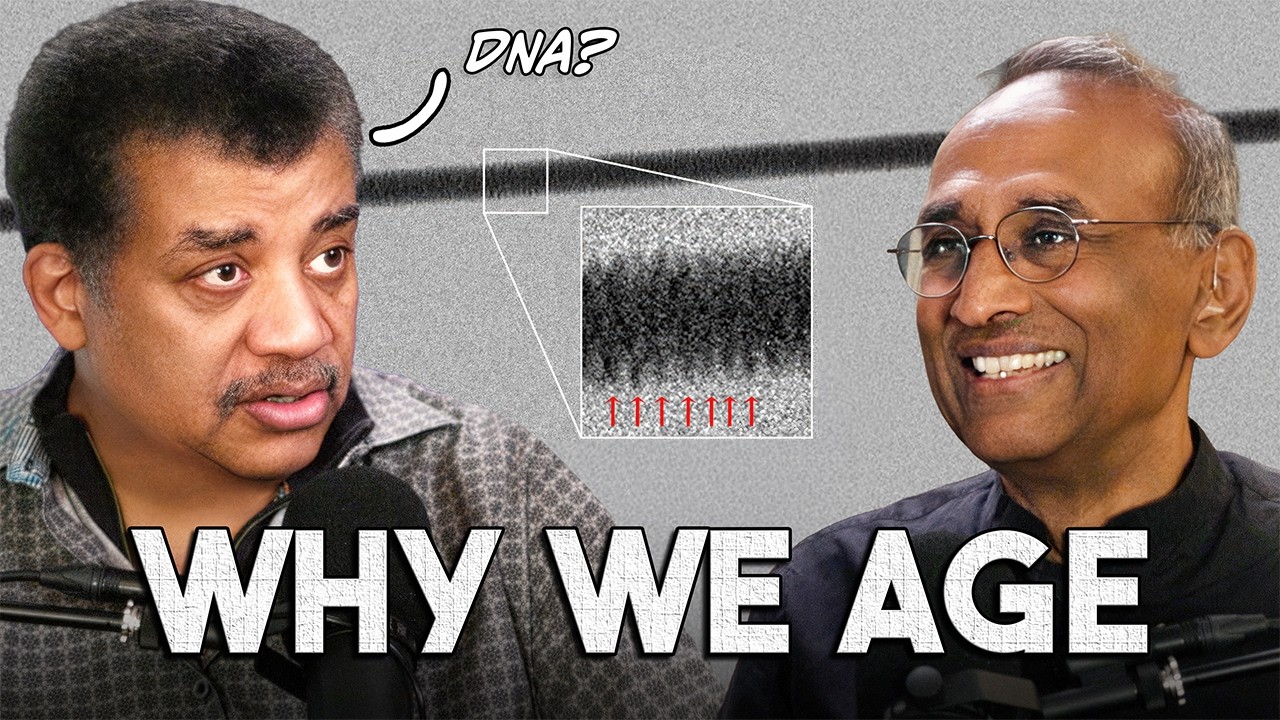
Neil presses on LIGO’s mind-boggling sensitivity—detecting arm-length changes far smaller than a proton—then challenges whether that beats quantum limits. Nergis explains quantum squeezing: you trade uncertainty between a light wave’s amplitude and phase (Heisenberg), cranking down the noise in phase—the thing LIGO measures—while letting amplitude get noisier. No laws are broken; the instrument is engineered to isolate vibrations, operate in vacuum, bounce light ~100× per arm, and read a tiny phase mismatch at a “dark fringe,” where any leakage of light means a passing gravitational wave.
From 'When Black Holes Collide, with Nergis Mavalvala'
Get the StarTalk book, 'To Infinity and BeyondA Journey of Cosmic Discovery' on Amazon
Support us on Patreon
FOLLOW or SUBSCRIBE to StarTalk:
Sentinel Indexing in Progress
Metadata and chapters are available. Claim extraction for this episode is pending.
All video content is delivered via YouTube embedded players in accordance with the YouTube Terms of Service. Sentinel provides research tools that promote discovery and accountability across political media.