Stephen Gardner
@stephengardner1·2.1M subscribers·3.4K videos
Iran TRAPS 150 Oil Tankers — Trump's Next Move Will Shock You
Posted
March 11, 2026
Views
143,296
Likes
15,086
Comments
886
Engagement
11.15%
March 11, 2026
143,296
15,086
886
11.15%
Every word spoken in this episode is indexed. Type any phrase to jump straight to the moment it was said.
Type any word or phrase that may have been spoken. Click a result to seek the player to that exact moment.
Try a name, a topic, or a quoted line
 16:17Now Playing
Visit or call 8006081770 to get the complimentary guide.
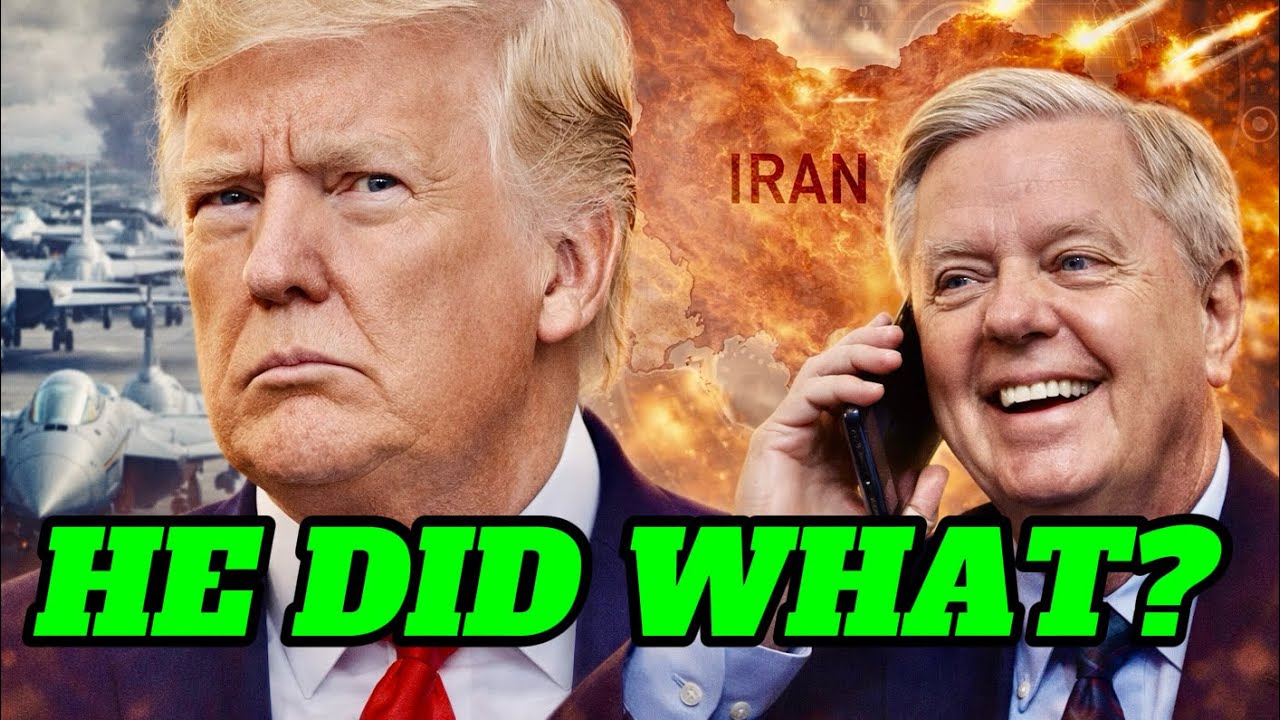
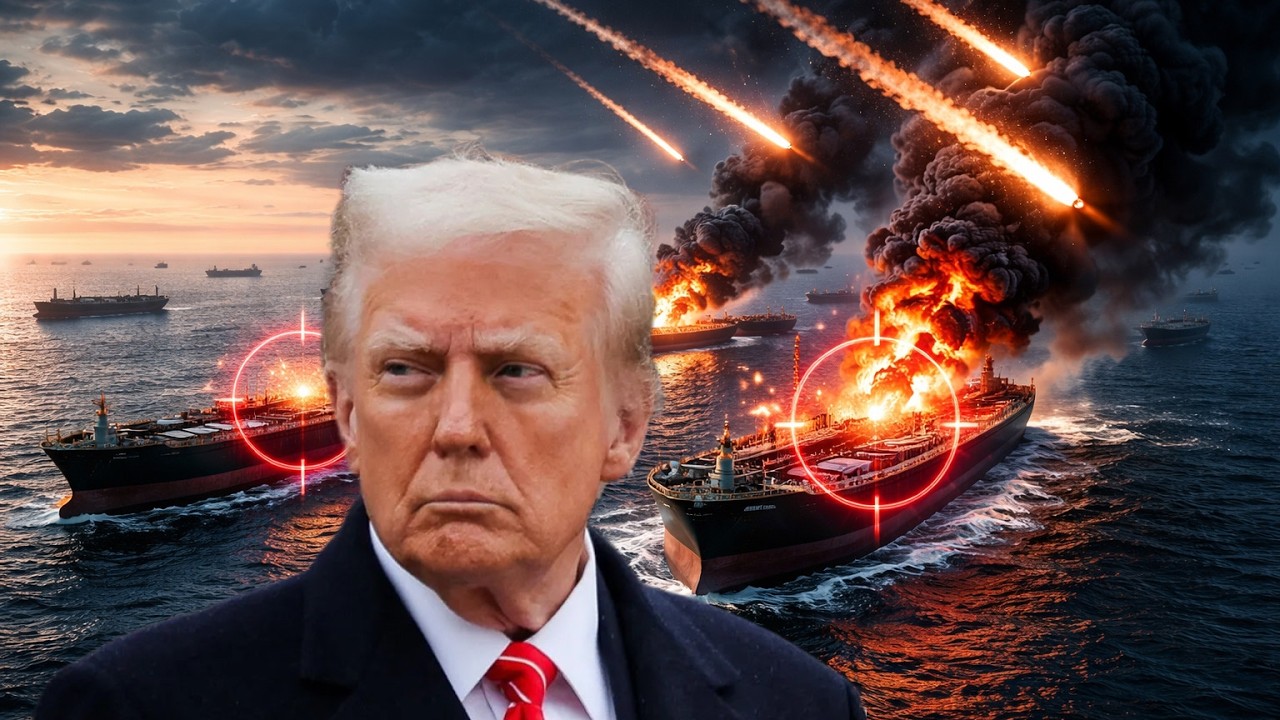
Iran is escalating tensions across the Persian Gulf by threatening and attacking vital oil infrastructure and commercial shipping, trapping more than 150 oil tankers near the Strait of Hormuz and rattling global energy markets. This narrow chokepoint normally carries around one‑fifth of the world’s oil and liquefied natural gas, so even a handful of missile or drone strikes can shake confidence, drive up war‑risk insurance costs, and disrupt exports from key U.S. partners like Saudi Arabia, the UAE, Qatar, and Kuwait. As tankers are delayed, diverted, or idled due to security fears and soaring insurance premiums, refiners and traders must scramble for alternate supplies, fueling volatility at the pump and on global markets. [foxnews]()
In recent days, several tankers have been damaged and major trading houses have paused or rerouted shipments, leaving more than 150 vessels effectively stuck in or near the Strait of Hormuz and the wider Gulf region. Shipowners and captains are reluctant to sail without robust war‑risk coverage, and Lloyd’s underwriters say insurance remains available only at very high premiums, which prices many operators out of the route altogether. In the near term, this bottleneck means higher gasoline and diesel prices, with sharper spikes in Europe and Asia than in the United States, which still benefits from large domestic production. Once the crisis eases, however, that wall of delayed oil could flood back onto the market and push prices down again. [eia]()
President Trump is pushing to keep sea lanes open while doubling down on a “drill here, drill now” approach so Americans are less exposed to Middle East chaos and do not wake up to fuel at eight or ten dollars a gallon. Iran’s strategy is to inflict enough economic pain worldwide that Washington and its allies back off, using attacks on commercial ships, oil facilities, and even airports to send a message that standing with the U.S. carries real costs. At the same time, Tehran keeps some of its own crude moving through “dark” tankers and its Jask terminal, hoping to profit from higher prices even as it disrupts everyone else. [economictimes]()
Amid this turmoil, Trump is touting a major win on the home frontapproval of what he calls the first brand‑new U.S. oil refinery in about fifty years, a massive project planned for Brownsville, Texas, backed by a reported 300‑billion‑dollar investment from India’s Reliance Industries and America First Refining. He frames the deal as the largest in U.S. history, promising thousands of jobs, new technology, and greater long‑term security for American drivers as more fuel is produced at home instead of relying on unstable regions. For supporters, it is evidence that real U.S. energy dominance is returning, with more refineries, more drilling, and less leverage for regimes like Iran to hold the global economy hostage. [cnbc]()
Sentinel Indexing in Progress
Metadata and chapters are available. Claim extraction for this episode is pending.
All video content is delivered via YouTube embedded players in accordance with the YouTube Terms of Service. Sentinel provides research tools that promote discovery and accountability across political media.