Stephen Gardner
@stephengardner1·2.1M subscribers·3.4K videos
Trump STUNS World With Risky Hormuz Move
Posted
April 11, 2026
Views
214,674
Likes
20,892
Comments
1,674
Engagement
10.51%
April 11, 2026
214,674
20,892
1,674
10.51%
Every word spoken in this episode is indexed. Type any phrase to jump straight to the moment it was said.
Type any word or phrase that may have been spoken. Click a result to seek the player to that exact moment.
Try a name, a topic, or a quoted line
 15:54Now Playing
Trump STUNS world with Risky Hormuz Order using US Defender Ships. Download Rumble Wallet and step away from the big banks for good!
- President Trump orders the U.S. Navy to start clearing Iranian sea mines in the Strait of Hormuz, sending American destroyers through the chokepoint under a fragile Iran ceasefire.
- Trump frames the Hormuz operation as a favor to nations like China, Japan, South Korea, France, and Germany, arguing they lack the will to secure the critical oil route themselves.
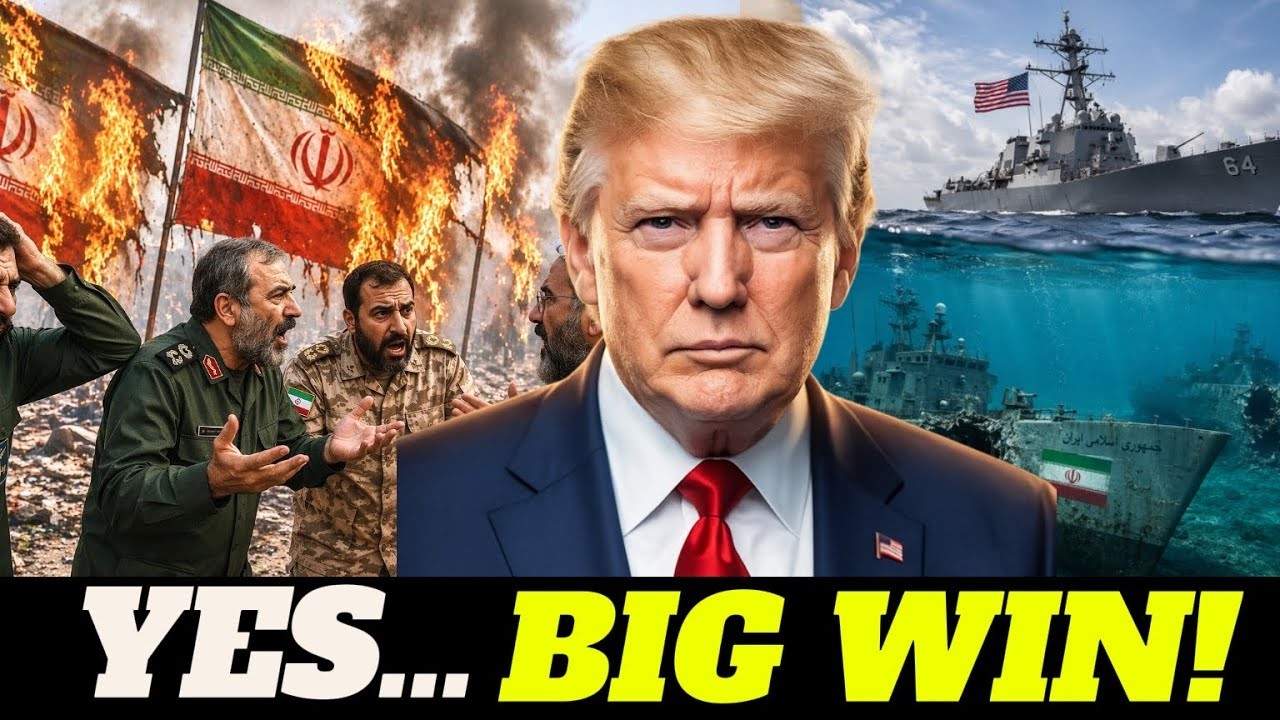
- Two U.S. guided‑missile destroyers, the USS Frank E. Peterson and USS Michael Murphy, transit the strait to help secure an internationally recognized channel that bypasses Iran’s toll‑booth lane.
- Trump’s blunt message to Tehran is to reopen the Strait of Hormuz or face a direct collision with U.S. military power in one of the world’s most important shipping lanes.
- While U.S. warships move into position, indirect U.S.–Iran talks begin in Pakistan’s Serena Hotel in Islamabad, which has been turned into a heavily fortified diplomatic bubble.
- Pakistan clears the luxury hotel, seals the capital’s Red Zone, shuts offices and businesses, and deploys thousands of security forces to host JD Vance’s U.S. team and a larger Iranian delegation.
- Negotiators may never sit in the same room; Pakistan shuttles messages as Washington and Tehran posture publicly and dig in on maximalist positions over the ceasefire and regional fronts.
- Iran insists its control over Hormuz is non‑negotiable and demands any real deal include a broader ceasefire that covers Lebanon and other flashpoints in the region.
- The U.S. and Israel reject Iran’s Lebanon condition, with Trump signaling America will clear a safe shipping lane by force if Iran refuses to reopen the strait on acceptable terms.
- At the same time, tanker‑tracking data shows sixty‑eight empty supertankers, each with about two million barrels of capacity, steaming toward the U.S. Gulf Coast from Europe and Asia.
- U.S. Gulf Coast crude exports are on track to average roughly 4.9 million barrels per day in April, a record level and a huge jump from export volumes in February and March.
- Bookings already indicate May U.S. crude exports will exceed 5 million barrels per day for the first time ever, cementing America’s role as the world’s new swing energy supplier.
- This export boom sits on top of record shipments of refined fuels and LNG as Asian and European buyers pivot away from Hormuz‑dependent and Qatar‑linked supplies toward U.S. ports.
- By default, the U.S. becomes the only producer with scalable export infrastructure, deepwater ports, and relatively few geopolitical constraints, filling gaps left by Iran, Qatar, and sanctioned Russia.
- The downside hits at home: American gasoline prices climb back above four dollars per gallon as lucrative exports pull barrels away from the domestic market and tighten supply.
- The same war premium that pumps profits into U.S. producers and shippers is the one squeezing American families with higher costs at every gas station.
- A deeper irony emerges as the Hormuz crisis feeds both the dollar‑based oil trade and its yuan‑based workaround at the exact same time.
- The supertanker armada sailing to Texas reinforces the petrodollar system, with most of the freight and contracts denominated in U.S. dollars.
- Simultaneously, Iran moves around 1.5 million barrels per day through a “ghost fleet” to China, settled in yuan and sometimes alternative payment systems, expanding the petrodollar bypass.
- The same mines, tolls, and partial closure of Hormuz strengthen the dollar’s energy role and accelerate the yuan‑centric alternative, locking in new patterns of trade and finance.
- The ceasefire was supposed to reopen the Strait of Hormuz, but drifting mines and continued Iranian tolls force the U.S. Navy into direct mine‑clearing operations.
- Every extra day of disruption sends more VLCCs toward the U.S. Gulf, more long‑term crude contracts into dollars, and more Iranian barrels into China’s yuan system.
- Trump’s Hormuz order turns America into an indispensable energy superpower while also speeding up the very de‑dollarization trend Washington fears.
- No negotiator in Islamabad truly controls this paradox; the battlefield, the shipping lanes, and the financial system are all shifting faster than any ceasefire paper can keep up.
- On top of the Hormuz moves, Trump signals he is ready to play hardball with international institutions that threaten U.S. troops over the Iran war.
- The International Criminal Court in the Netherlands hints at pursuing U.S. soldiers for alleged war crimes tied to operations in Iran.
- Trump points to the American Service‑Members’ Protection Act—nicknamed the Hague Invasion Act—which authorizes a U.S. president to use “all means necessary and appropriate” to free detained American or allied personnel.
Sentinel Indexing in Progress
Metadata and chapters are available. Claim extraction for this episode is pending.
All video content is delivered via YouTube embedded players in accordance with the YouTube Terms of Service. Sentinel provides research tools that promote discovery and accountability across political media.