Thais Gibson Personal Development School
@thepersonaldevelopmentschool·499K subscribers·3.8K videos
Fearful Avoidants & Healing Their Push Pull Patterns
Posted
January 23, 2026
Views
987
Likes
67
Comments
11
January 23, 2026
987
67
11
7.90%
Every word spoken in this episode is indexed. Type any phrase to jump straight to the moment it was said.
Type any word or phrase that may have been spoken. Click a result to seek the player to that exact moment.
Try a name, a topic, or a quoted line
 7:22Now Playing
Embrace Breakthroughs With The “Heal From a Breakup” Course. Free for Life With a 7-Day Trial.
Understanding the Fearful Avoidant Push-Pull Cycle
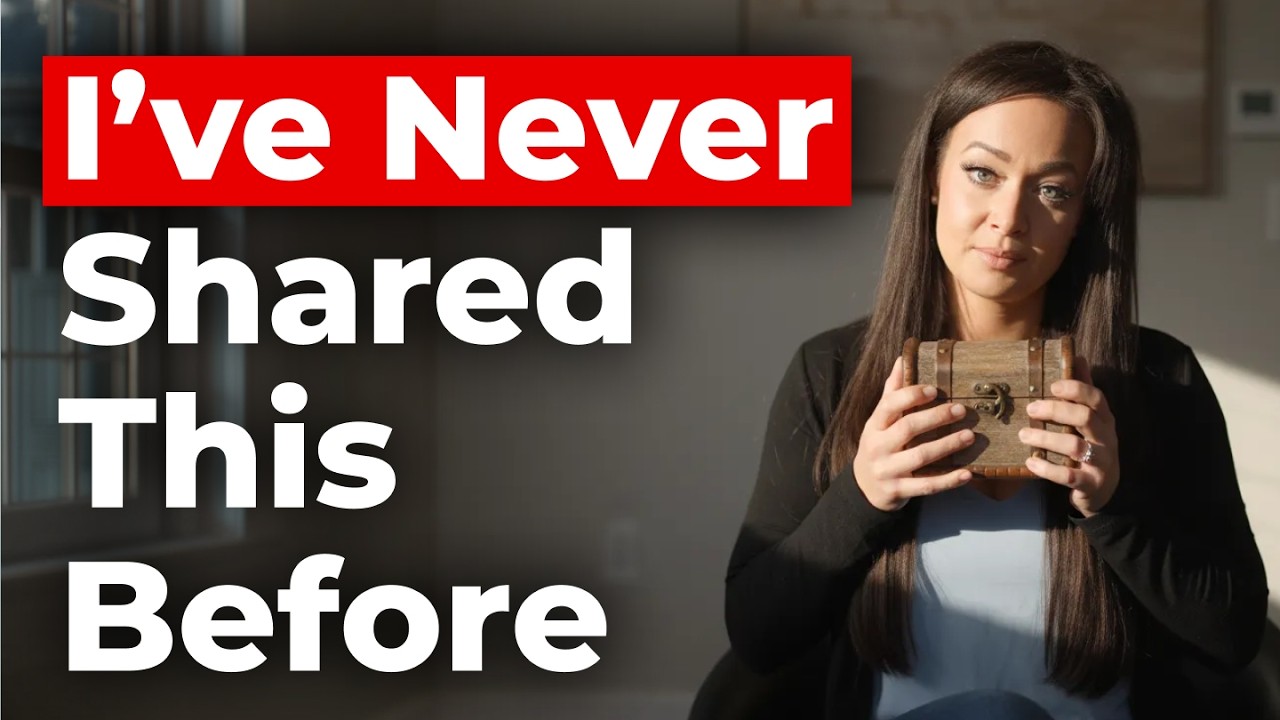
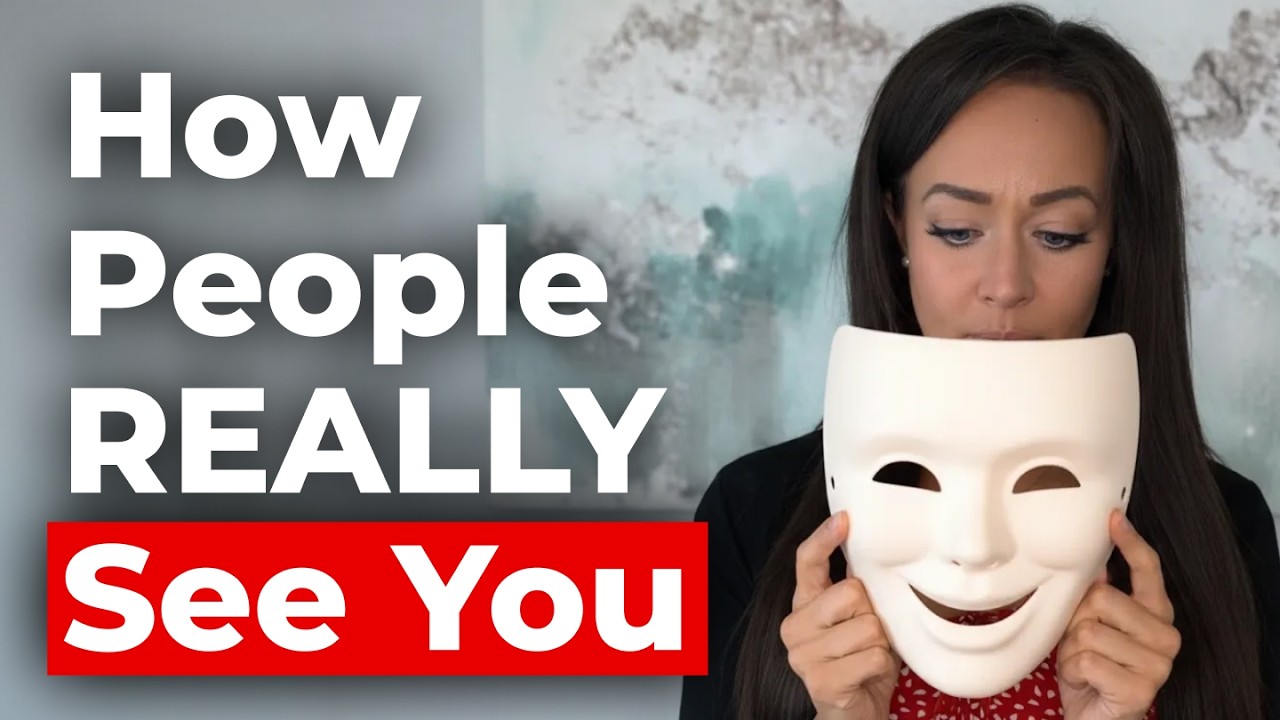
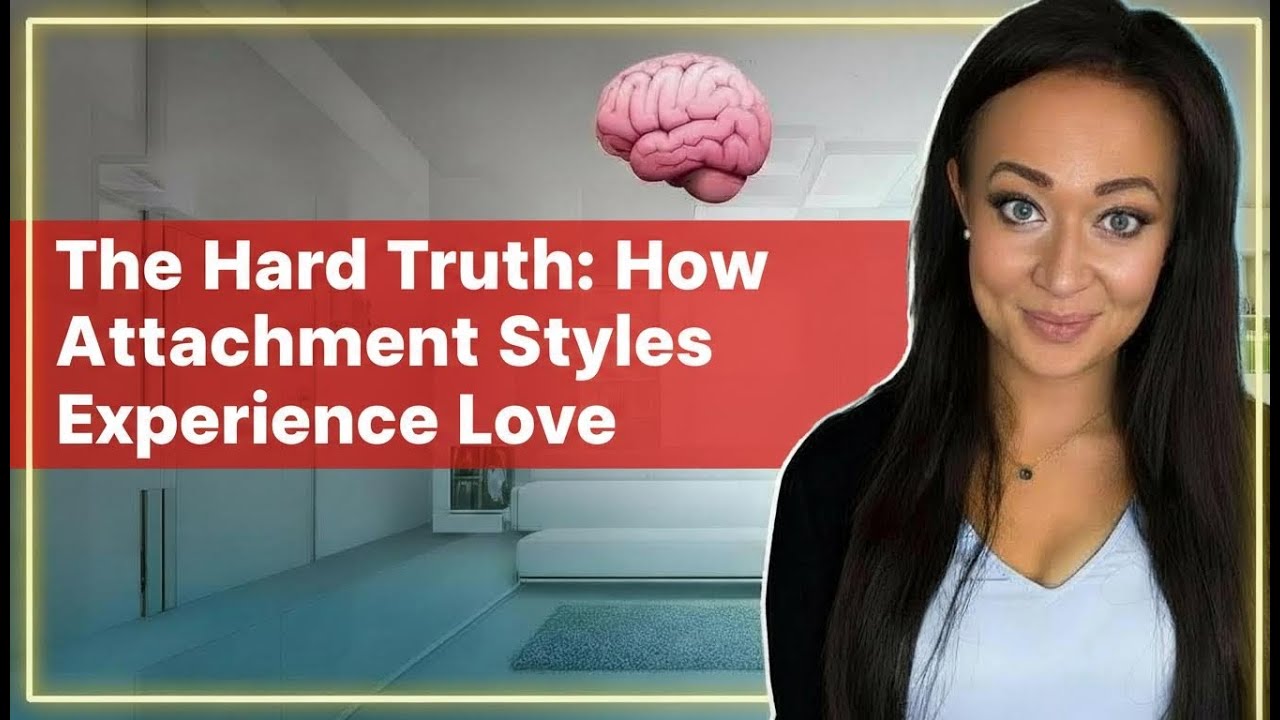
If you have a Fearful Avoidant attachment style, relationships can feel like an exhausting emotional pendulum, pulling you toward closeness one moment and pushing you away the next.
In this video, Thais Gibson breaks down why Fearful Avoidants experience this push-pull dynamic and how healing begins by understanding your activating and deactivating strategies, the stories you tell yourself, and the unmet needs driving these patterns.
Episode Summary
Fearful avoidants often carry both anxious and avoidant wounds at the same time. This creates inner conflict, wanting closeness while also fearing it.
In this episode, you’ll learn:
Why Fearful Avoidants swing between activation and deactivation
How trauma, core wounds, and subconscious stories fuel push-pull patterns
Why calm, secure relationships can feel unsafe or unfamiliar
How emotional regulation helps you identify and meet your real needs
How questioning your internal stories brings you back to balance
Healing isn’t about choosing closeness or distance, it’s about learning how to return to center.
Key Takeaways
Fearful Avoidants have both activating (anxious) and deactivating (avoidant) sides
Push-pull patterns are driven by unmet needs and core wounds, not character flaws
Awareness is the first step, noticing when you’ve left emotional center
Questioning your stories helps prevent emotional dysregulation
Regulating your nervous system allows you to express needs more clearly and safely
Timestamps
Meet the Host
Thais Gibson is the founder of The Personal Development School and a world leader in attachment theory. With a Ph.D. and over a dozen certifications, she’s helped more than 70,000 people reprogram their subconscious and build thriving relationships.
Helpful Resources:
🧠 Take the Free Attachment Style Quiz
📚 Read the Learning Love Book
🎧 Discover Podcast Episodes
📝 Read the PDS Blog
Let’s Connect on Socials:
Sentinel Indexing in Progress
Metadata and chapters are available. Claim extraction for this episode is pending.
All video content is delivered via YouTube embedded players in accordance with the YouTube Terms of Service. Sentinel provides research tools that promote discovery and accountability across political media.