The Atlantic
@TheAtlantic·924K subscribers·2K videos
Sex and the 1960s College Girl
Posted
November 26, 2018
Views
776,948
Likes
5,915
Comments
677
Engagement
0.85%
November 26, 2018
776,948
5,915
677
0.85%
Every word spoken in this episode is indexed. Type any phrase to jump straight to the moment it was said.
Type any word or phrase that may have been spoken. Click a result to seek the player to that exact moment.
Try a name, a topic, or a quoted line
 2:53Now Playing
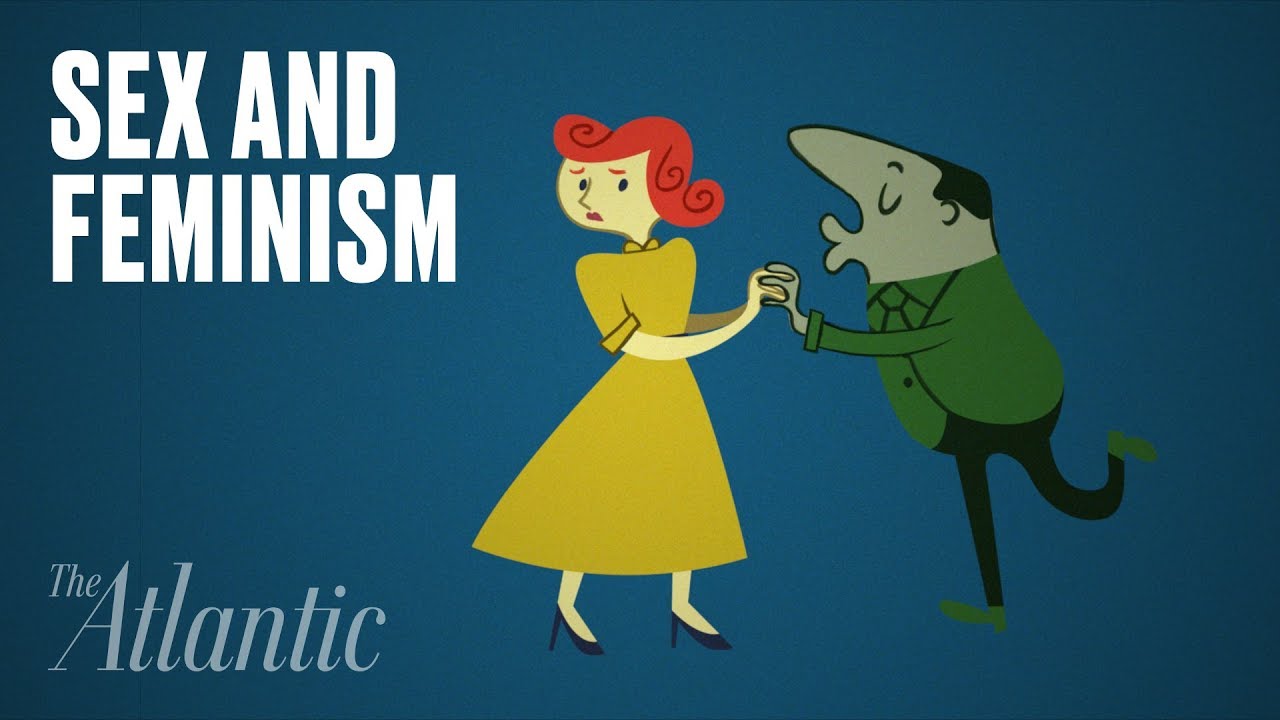
“Men...admit that what really irritates them about modern women is that they can't, or won't, give themselves completely to men,” Nora Johnson wrote in her 1959 Atlantic article, "Sex and the College Girl." “This is undoubtedly true … And this, God knows, is a good thing.”
In the article, which is excerpted and animated in the video above, Johnson grappled with changing expectations about sex, romance, and gender roles as society began to afford women more opportunity in the workplace. A common fallout, Johnson argued, was that young women felt the need to “settle” by trading passionate romance for comfort and stability. College-age girls could only hope to avoid disappointment by managing their expectations and maintaining a certain romantic reticence.
“There must always be something held in reserve,” Johnson writes, “a part of her that she will give to no one, not even her husband. It is her belief in herself … It is the dream of the things she never did.”
For more, check out The Atlantic's "Sex and the College Girl" here
Subscribe to The Atlantic on YouTube
Sentinel Indexing in Progress
Metadata and chapters are available. Claim extraction for this episode is pending.
All video content is delivered via YouTube embedded players in accordance with the YouTube Terms of Service. Sentinel provides research tools that promote discovery and accountability across political media.