The Atlantic
@TheAtlantic·924K subscribers·2K videos
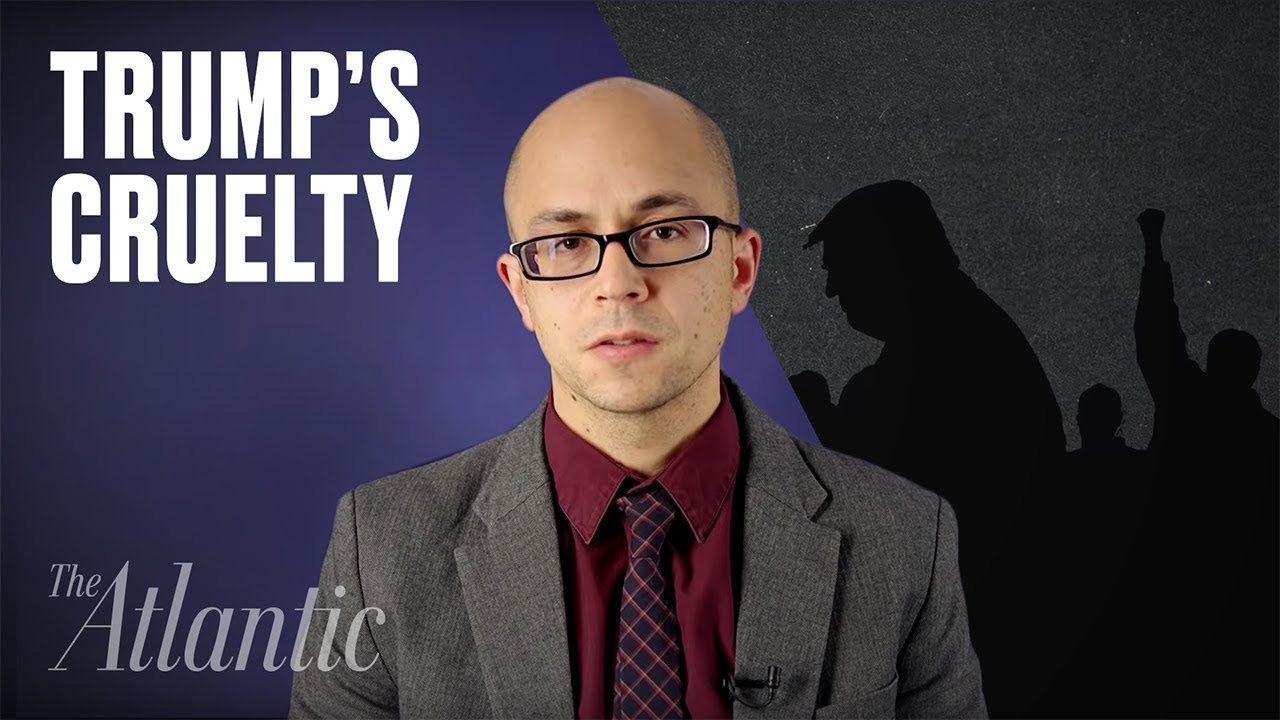
Trump’s Emergency Powers Are 'Ripe for Abuse'
Posted
December 5, 2018
Views
61,400
Likes
646
Comments
251
Engagement
1.46%
December 5, 2018
61,400
646
251
1.46%
Every word spoken in this episode is indexed. Type any phrase to jump straight to the moment it was said.
Type any word or phrase that may have been spoken. Click a result to seek the player to that exact moment.
Try a name, a topic, or a quoted line
 3:42Now Playing
Unbeknownst to many Americans, there is one legal scenario in which the president’s power substantially increases. This is the moment he declares a national emergency.
Although Congress has passed more than 100 provisions that outline the power that the president gains in this circumstance—such as the ability to shut down media channels or take them over, and the deployment of military troops inside the United States—there is no legal definition of a national emergency. There is no requirement that Congress ratify the decision. There is no judicial review.
In other words, the decision to invoke emergency powers is left entirely to the president’s discretion.
“The legal powers available to the president during a national emergency are ripe for abuse,” argues Elizabeth Goitein, an Atlantic contributor and a co-director of the Liberty and National Security Program at the Brennan Center for Justice, in a new Atlantic Argument.
“In practice, we’ve been relying on presidents to exercise self-restraint, and hoping the courts will step in if they don’t,” she says. “That’s a gamble we can no longer take.”
In the video, Goitein goes on to explain how authoritarian leaders across the globe have sought to consolidate power in this way. She also explains the ways in which Congress may be able to step in and provide better protections against abuse, lest the president decide to threaten our democracy.
For more, read Goitein's article, "What the President Could Do If He Declares a State of Emergency," in the January/February 2019 issue of The Atlantic
Subscribe to The Atlantic on YouTube
Sentinel Indexing in Progress
Metadata and chapters are available. Claim extraction for this episode is pending.
All video content is delivered via YouTube embedded players in accordance with the YouTube Terms of Service. Sentinel provides research tools that promote discovery and accountability across political media.