The Kelsi Sheren Perspective
@thekelsisherenperspective·45.1K subscribers·2K videos
New Documents Reveal How Far Canada's Convoy Blacklist Went
Posted
August 31, 2026
Views
1,213
Likes
147
Comments
22
Engagement
August 31, 2026
1,213
147
22
13.93%
Every word spoken in this episode is indexed. Type any phrase to jump straight to the moment it was said.
Type any word or phrase that may have been spoken. Click a result to seek the player to that exact moment.
Try a name, a topic, or a quoted line
 19:45Now Playing
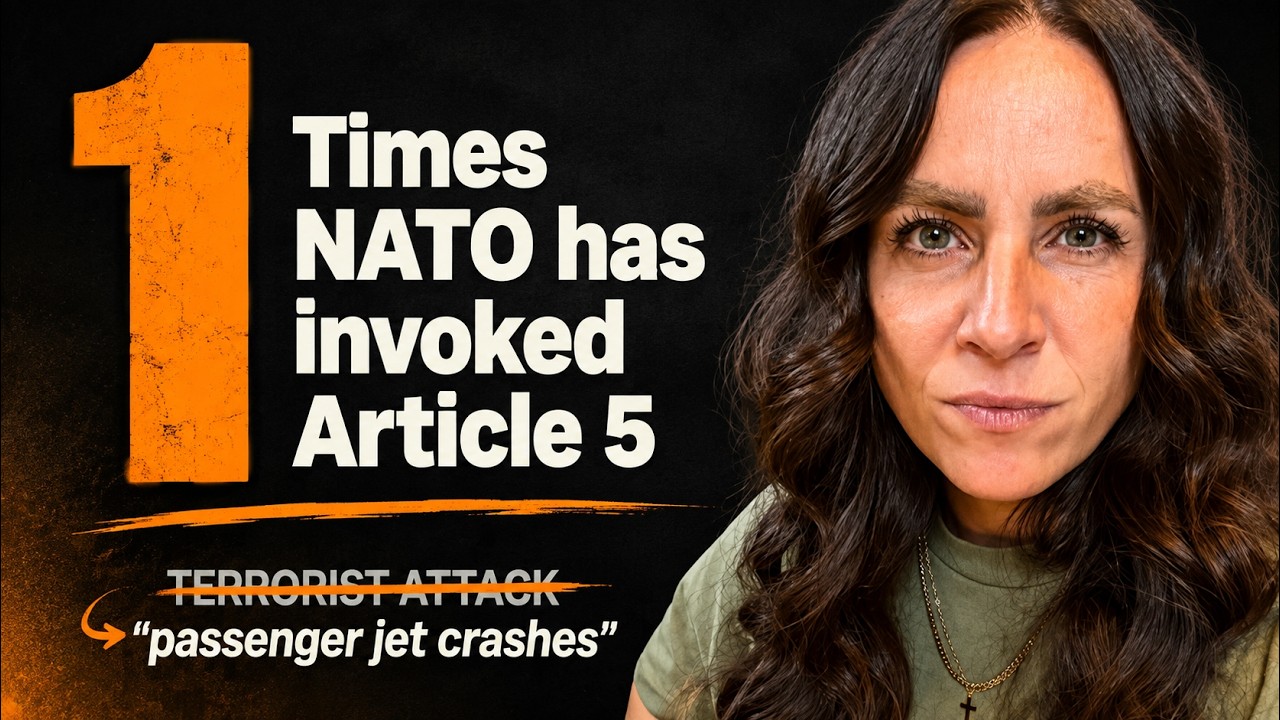
Four years after the Freedom Convoy, Canadians are still learning how far the federal government's response may have reached.
Newly reported federal records obtained by Blacklock's Reporter indicate that information connected to Freedom Convoy participants was circulated through Ontario's financial regulatory system to somewhere between 1,000 and 2,000 brokerages and other firms.
Earlier records had already shown information being shared with dozens of financial institutions, associations and securities regulators.
Now the obvious question is: how far did that information ultimately go — and where is it today?
In this episode of The Kelsi Sheren Perspective, I break down what the newly reported documents say, what we already knew about the RCMP's financial information-sharing during the Emergencies Act, concerns surrounding verification and secure transmission, and why this story has become much bigger than the Freedom Convoy itself.
The Federal Court ruled in 2024 that the Trudeau government's invocation of the Emergencies Act was unreasonable and beyond the government's legal authority.
In January 2026, the Federal Court of Appeal upheld the central finding that the statutory threshold for invoking the Act had not been met, and also upheld findings involving Charter violations connected to freedom of expression and unreasonable search and seizure.
I supported the Freedom Convoy then. I support it now.
But regardless of what you thought about the protest, every Canadian should be asking what happens when information collected during extraordinary government measures moves through private financial institutions — potentially reaching thousands of firms.
Who received it? Who retained it? Was it forwarded? Was it deleted? Who verified the information? And what safeguards exist to stop another Canadian government from doing the same thing?
This episode is ultimately about something much bigger than trucks in Ottawa. It's about the relationship between Canadians and their government. It's about privacy. Due process. Freedom of expression. Political dissent. And the slow erosion of rights when temporary exceptions become accepted precedent.
Canada does not lose its freedoms all at once. It loses them one exception at a time.
CHAPTERS
SOURCES
Federal Court of Appeal, plain-language summary of 2026 FCA 6 (January 16, 2026):
CBC, federal government loses Emergencies Act appeal:
Canadian Civil Liberties Association, statement on the Federal Court of Appeal ruling:
Canadian Constitution Foundation, Emergencies Act challenge case page:
Blacklock's Reporter, Blacklist Went To Thousands:
Western Standard, records show convoy blacklist circulated to thousands of financial firms:
The Kelsi Sheren Perspective is also on Rumble, Spotify, Apple Podcasts and Substack.
Buy me a coffee!
Do No Harm?
Let's connect!
SUPPORT OUR PEOPLE
- - - - - - - - - - - -
Ketone IQ30% off with code KELSI
Good Livin 20% off with code KELSI
Brass & Unity 20% off with code UNITY
Sentinel Indexing in Progress
Metadata and chapters are available. Claim extraction for this episode is pending.
All video content is delivered via YouTube embedded players in accordance with the YouTube Terms of Service. Sentinel provides research tools that promote discovery and accountability across political media.