
UK ELECTION RESULTS IN HUNG PARLIAMENT! LABOUR WINS 40% OF SEATS! #UKELECTION #UK #CORBYN #MAY
June 9, 2017
834
40
11
6.12%
Search the Record
IndexedEvery word spoken in this episode is indexed. Type any phrase to jump straight to the moment it was said.
Type any word or phrase that may have been spoken. Click a result to seek the player to that exact moment.
Try a name, a topic, or a quoted line
The Progressive Voice Episodes Around June 9, 2017
See what was published immediately before and after this episode.

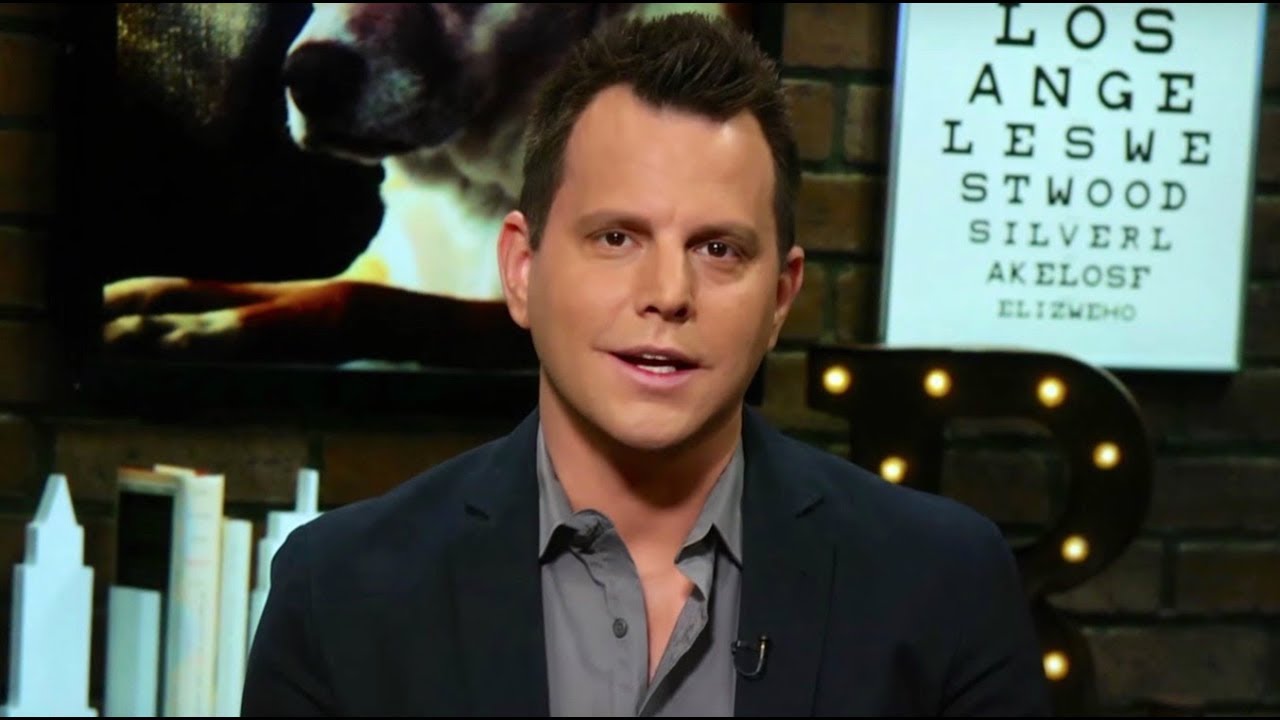

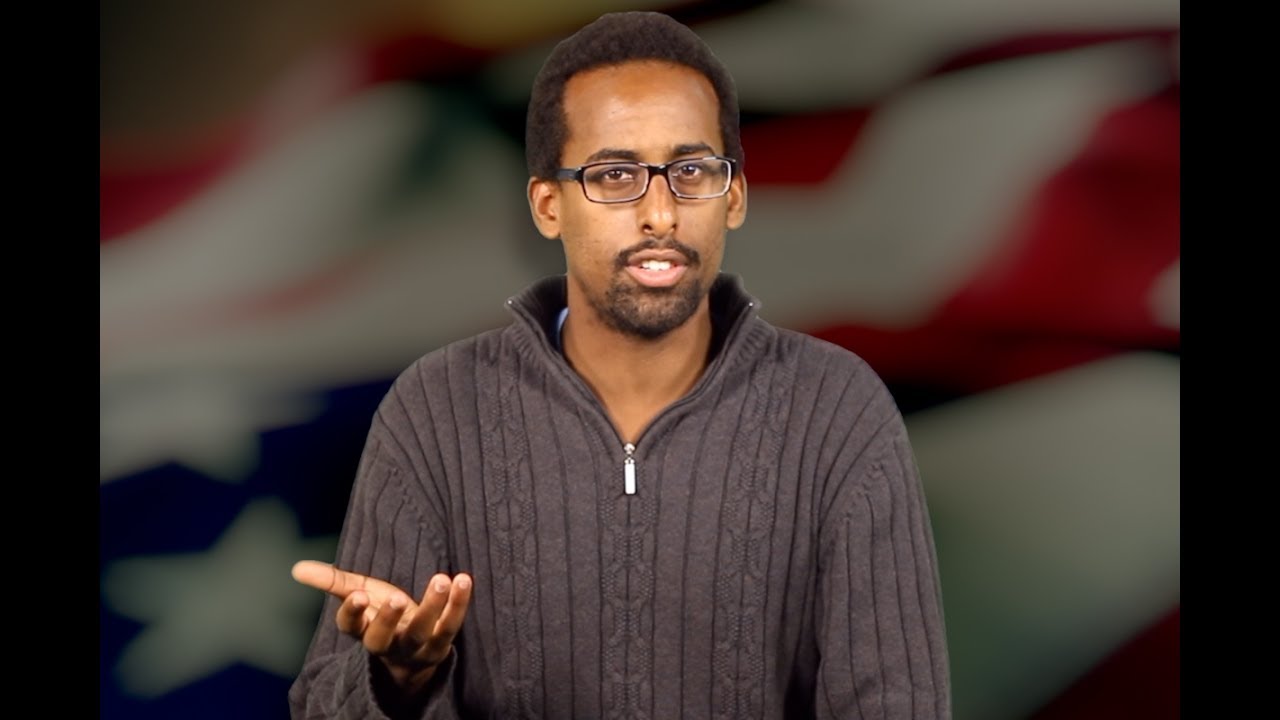

 4:20Now Playing
UK ELECTION RESULTS IN HUNG PARLIAMENT! LABOUR WINS 40% OF SEATS! #UKELECTION #UK #CORBYN #MAY


YouTube Description
as posted by the channelUK ELECTION RESULTS IN HUNG PARLIAMENT! LABOUR WINS 40% OF VOTE! #UKELECTION #UK #CORBYN #MAY
READ MY ARTICLE
British Prime Minister Theresa May has failed to win a parliamentary majority in the UK election, leaving the country with what's known as a "hung parliament." May's Conservative Party needed to win 326 of 650 seats in the UK parliament to govern with a full majority. Instead, now she's being forced to consider teaming up with a minor party. The expression comes from the term "hung jury," when jurors cannot decide on a verdict and a retrial is needed. But in UK elections this result does not automatically trigger another election. Instead, the party with the largest number of seats -- in this case, it looks like the Conservatives -- will attempt to form a coalition government with one of the smaller parties. The second-largest party -- which would be Labour -- can also start parallel talks to try to form a coalition of its own in an effort to reach the magic number of 326. If no-one can reach a deal, a party could try form a minority government, but it would struggle to pass laws in parliament.
There will be a sense of urgency to the coalition talks to form a new British government because the Brexit clock is ticking: formal negotiations between the British government and the EU are due to start on June 19 -- just 10 days away. Without a stable government in place, it will be impossible to start Brexit talks and they will have to be delayed.
If, as looks likely, the Conservatives end up with the largest number of seats, they get to go first in trying to form a government by going into coalition with other parties. But before the talks can start, there will be widespread anger across the Conservative Party that she has thrown away a majority for the sake of an unnecessary early election.
So there will be moves against her and MPs could call on her to stand down. However, many Conservatives will not want to appear disunited when there is already uncertainty about what the new government will look like, which could blunt any possible challenge.
Putting aside any demands for May to stand down, the party with the largest number of seats must reach out to other parties to strike a deal to share power. This could be undertaken in a formal coalition or an informal arrangement known as confidence and supply, where a smaller party agrees to back the larger partner in crucial votes in return for policies but does not take ministerial seats.
If the result is tight, or if the popular vote gives a different winner to the tally of seats, as much will depend on fixing a narrative in the early stages as straightforward math. Which leader can assert authority over the way the results have fallen, and who can stake a claim to form a government? This could see separate statements by May and Labour leader Jeremy Corbyn to the media in the early hours of Friday each declaring they have a moral mandate to lead the country.
The last time a UK election resulted in a hung parliament was 2010. The Conservatives were the largest party but the sitting Labour prime minister, Gordon Brown, stayed in Downing Street while backroom negotiations got under way over the Saturday and Sunday following polling day on the Thursday.
This is when the real action takes place: the Conservatives, as the largest party, will meet with other parties to see if they can strike a deal. In 2010, that was the Liberal Democrats. But that was when the Lib Dems could have gone either way -- with David Cameron's Conservatives, to whom they were more sympathetic, or Labour. This time, the Lib Dems are more left-wing and are vociferously anti-Brexit, so are more likely to side with Labour. The Conservatives can more realistically hope for the backing of one or both of the unionist parties in Northern Ireland, the DUP and UUP, who are supportive of May's Brexit position. However, between them they currently have just 10 MPs and are predicted to lose some seats, making May's #UKELECTION #UK
--
Connect With The Host!
- BECOME A MEMBER:
- LIKE MY NEW FACEBOOK PAGE
- CHECK OUT MY ARTICLES:
SUBSCRIBE TO THE PROGRESSIVE VOICE
- FOLLOW THE PROGRESSIVE VOICE ON TWITTER:
- GO TO THE NEW WEBSITE FOR ALL ACCESS
Links & Promotions
Guests & Subjects Covered
Sentinel Indexing in Progress
Metadata and chapters are available. Claim extraction for this episode is pending.
All video content is delivered via YouTube embedded players in accordance with the YouTube Terms of Service. Sentinel provides research tools that promote discovery and accountability across political media.