
Yale Historian Says Trump's Rise As President Is Similar To Hitler's Fascist Rise In Nazi Germany
July 17, 2017
362
16
4
5.52%
Search the Record
IndexedEvery word spoken in this episode is indexed. Type any phrase to jump straight to the moment it was said.
Type any word or phrase that may have been spoken. Click a result to seek the player to that exact moment.
Try a name, a topic, or a quoted line
The Progressive Voice Episodes Around July 17, 2017
See what was published immediately before and after this episode.
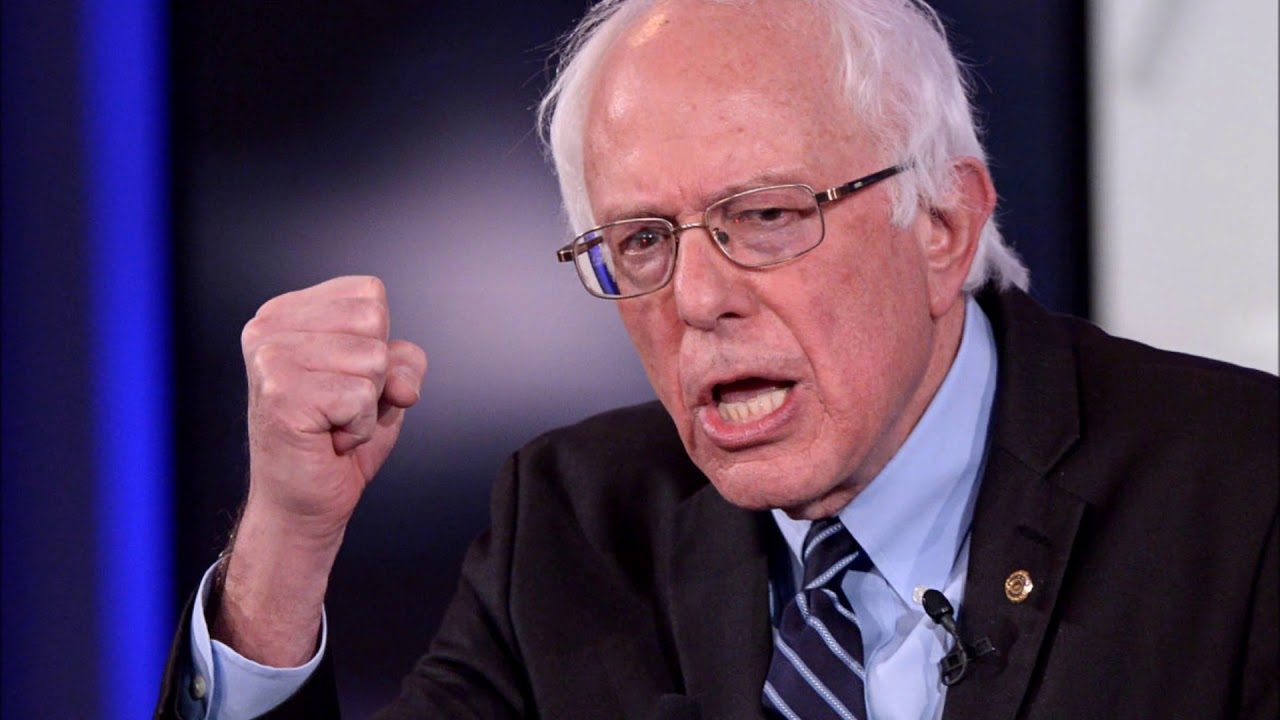



 3:03Now Playing
Yale Historian Says Trump's Rise As President Is Similar To Hitler's Fascist Rise In Nazi Germany


YouTube Description
as posted by the channelYale Historian Says Trump's Rise As President Is Similar To Hitler's Fascist Rise In Nazi Germany
Yale historian warns Trump’s rise perfectly mirrors frightening ascent of Fascism and Nazis in the 1930s. Acccording to a Yale historian, the rapid ascent of Donald Trump and all that he stands for, has historical echoes that perfectly mirror the rise of the Fascists and the Nazi’s in 1930’s Europe.
Writing for The Guardian, Timothy Snyder warns that conservatives seem to be unaware that Trump is taking their governing philosophy into darker — and more violent — territory.
According to Snyder, Trump’s showman style of populism is heavily influenced by White House Chief Strategist Steve Bannon.
“Stephen Bannon, who promises us new policies ‘as exciting as the 1930s,’ seems to want to return to that decade in order to undo those legacies,” Snyder writes. “He seems to have in mind a kleptocratic authoritarianism (hastened by deregulation and the dismantlement of the welfare state) that generates inequality, which can be channeled into a culture war (prepared for by Muslim bans and immigrant denunciation hotlines).”
“Like fascists, Bannon imagines that history is a cycle in which national virtue must be defended from permanent enemies. He refers to fascist authors in defense of this understanding of the past.” Noting that President Trump is not an “articulate theorist,” Snyder points out that the president gives Bannon’s dark vision a populist veneer that has historical parallels.
“During the 2016 campaign, Trump spoke of ‘America first,’ which he knew was the name of political movement in the United States that opposed American participation in the second world war,” Snyder explains. “Among its leaders were nativists and Nazi apologists such as Charles Lindbergh. When Trump promised in his inaugural address that ‘from now on, it’s going to be America first’ he was answering a call across the decades from Lindbergh, who complained that ‘we lack leadership that places America first.’ American foreign and energy policies have been branded ‘America first.'” “Conservatives always began from intuitive understanding of one’s own country and an instinctive defense of sovereignty. The far right of the 1930s was internationalist, in the sense that fascists learned one from the other and admired one another, as Hitler admired Mussolini,” Snyder continued.
“One of the reasons why the radical right was able to overcome conservatives back in the 1930s was that the conservatives did not understand the threat. Nazis in Germany, like fascists in Italy and Romania, did have popular support, but they would not have been able to change regimes without the connivance or the passivity of conservatives.” “If Republicans do not wish to be remembered (and forgotten) like the German conservatives of the 1930s, they had better find their courage – and their conservatism – fast,” the historian concludes.
--
Connect With The Host!
- BECOME A MEMBER:
- LIKE MY NEW FACEBOOK PAGE
- CHECK OUT MY ARTICLES:
SUBSCRIBE TO THE PROGRESSIVE VOICE
- FOLLOW THE PROGRESSIVE VOICE ON TWITTER:
Guests & Subjects Covered
Sentinel Indexing in Progress
Metadata and chapters are available. Claim extraction for this episode is pending.
All video content is delivered via YouTube embedded players in accordance with the YouTube Terms of Service. Sentinel provides research tools that promote discovery and accountability across political media.