The Randall Carlson
@therandallcarlson·632K subscribers·2.1K videos
Settlement Sites Across Non-Glaciated North America Simply End at the Younger Dryas Boundary
Posted
April 30, 2026
Views
23,771
Likes
1,288
Comments
26
Engagement
April 30, 2026
23,771
1,288
26
5.53%
Every word spoken in this episode is indexed. Type any phrase to jump straight to the moment it was said.
Type any word or phrase that may have been spoken. Click a result to seek the player to that exact moment.
Try a name, a topic, or a quoted line
 0:51Now Playing
Join Randall for his upcoming Finger Lakes Tour, Aug 30 Sep 5, 2026
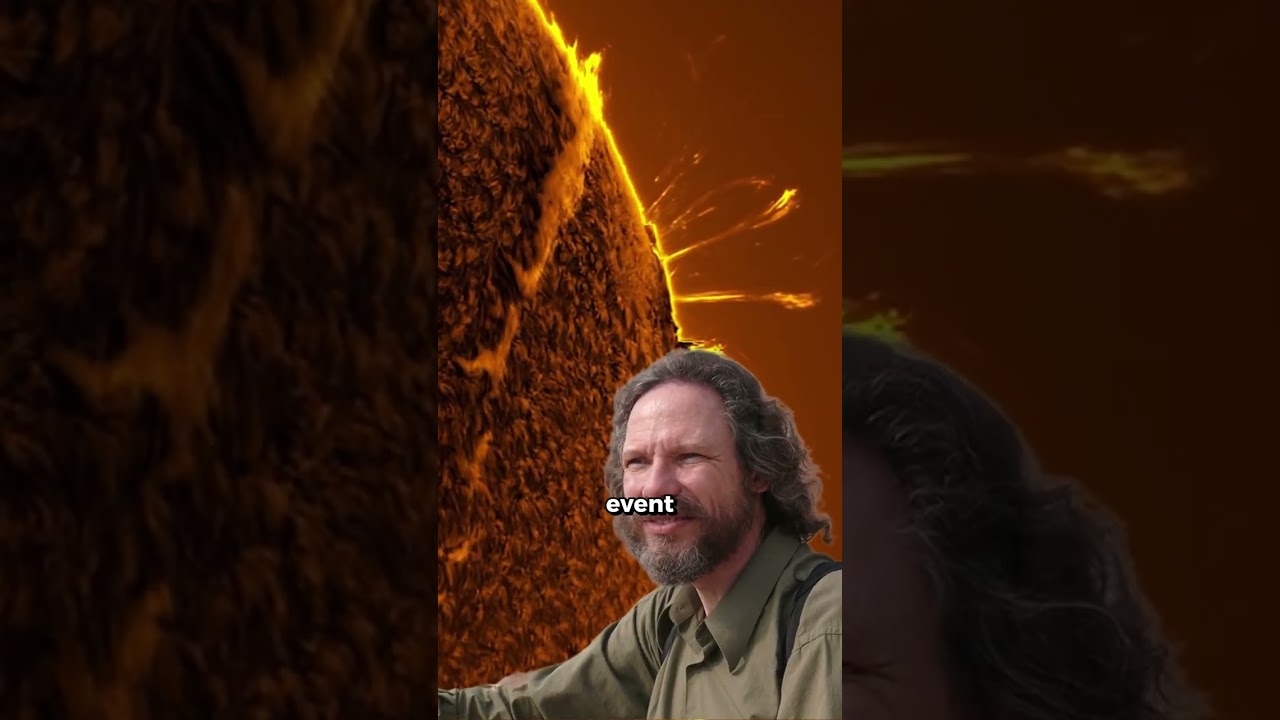
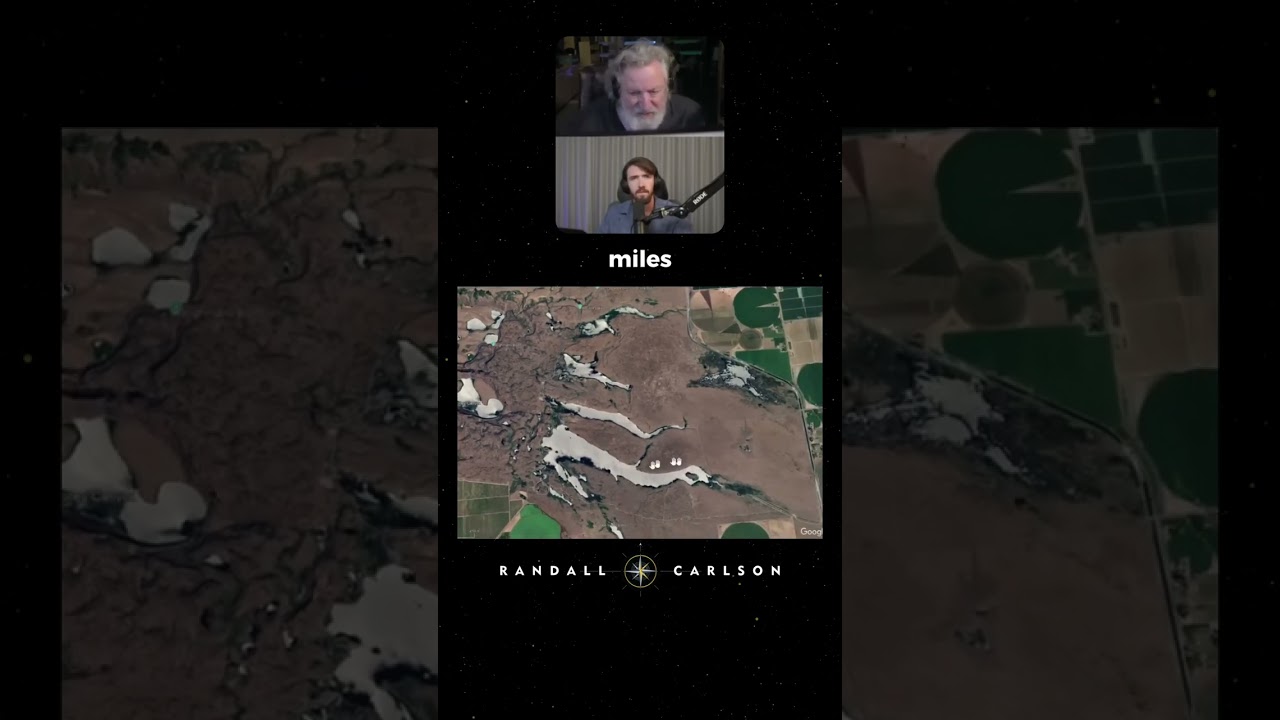
The Younger Dryas cataclysm was not uniform across the planet, but in non-glaciated North America its signature in the archaeological record is consistent and hard to explain away. Randall Carlson has traced it through the literature - site after site where the evidence of sustained human occupation simply stops.
The standard interpretation when a settlement is abandoned is migration - the people moved somewhere else. The problem is that the pattern repeats across too many locations simultaneously. Quarry sites, settlement camps, refuse pits and middens all bearing the hallmarks of long-term occupation - sometimes centuries of it - and then a clean termination. Not a gradual decline, not evidence of a move, just an ending. And in case after case, that ending coincides with the onset of the Younger Dryas boundary.
If people had migrated, you would expect to find them arriving somewhere else at the same time. The archaeological record does not consistently produce that arrival. What it produces instead is absence - a continent-wide pattern of occupation that ends at the same geological moment, consistent with a catastrophic event that did not give people the option of leaving.
Sentinel Indexing in Progress
Metadata and chapters are available. Claim extraction for this episode is pending.
All video content is delivered via YouTube embedded players in accordance with the YouTube Terms of Service. Sentinel provides research tools that promote discovery and accountability across political media.