The Randall Carlson
@therandallcarlson·632K subscribers·2.1K videos
The Landscape Around Us Was Mostly Shaped in Short Catastrophic Bursts, Not Gradual Erosion
Posted
May 7, 2026
Views
12,615
Likes
788
Comments
16
Engagement
May 7, 2026
12,615
788
16
6.37%
Every word spoken in this episode is indexed. Type any phrase to jump straight to the moment it was said.
Type any word or phrase that may have been spoken. Click a result to seek the player to that exact moment.
Try a name, a topic, or a quoted line
 0:53Now Playing
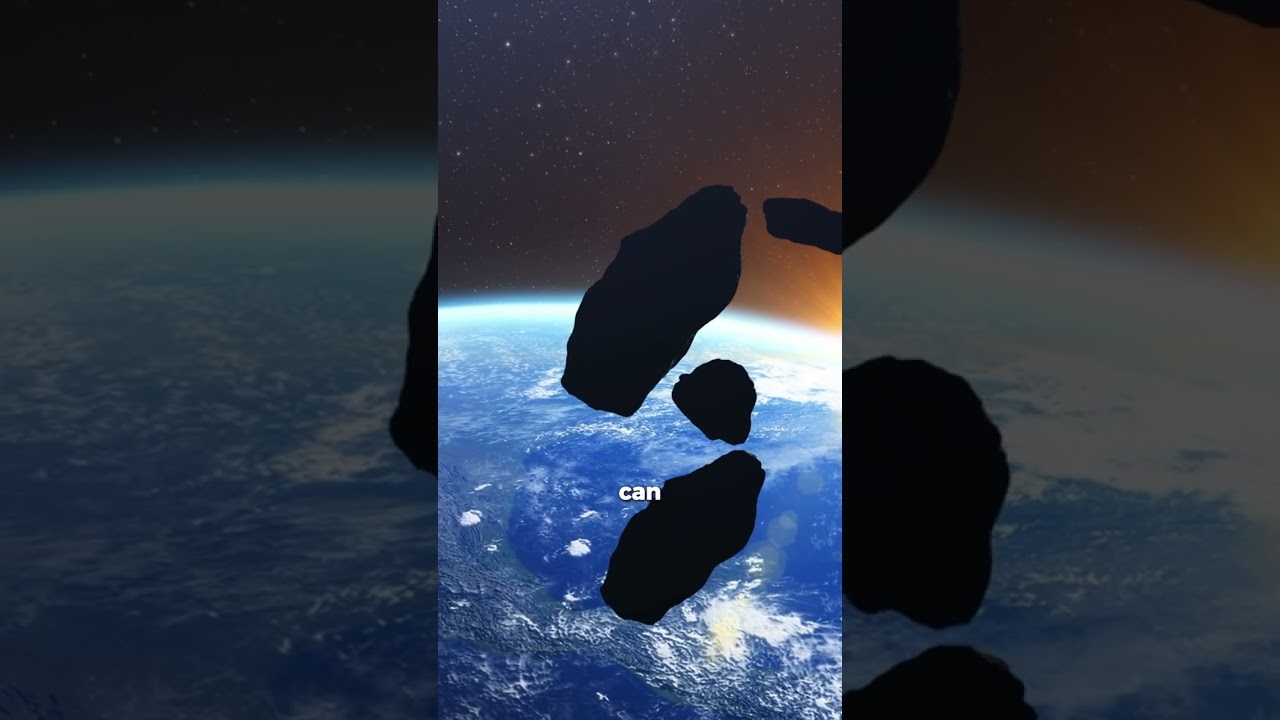
The old description of a soldier's experience in wartime - long periods of boredom interrupted by short periods of terror - turns out to be a surprisingly accurate model for how Earth's surface has been shaped over the last 2.5 million years. Randall Carlson applies it directly to the geological record.
The uniformitarian picture of gradual, continuous erosion is not wrong. The Grand Canyon is deepening slowly, year by year, as the Colorado River does its work. But that slow background process is not what produced most of the dramatic geomorphic features preserved in the landscapes around us.
The evidence, Randall argues, points consistently to the short-lived transitions - the catastrophic flood events, the climate crashes, the rapid meltwater pulses - as the periods responsible for the majority of the landscape shaping we can observe. Every 10,000 to 30,000 years, the slow grind is violently interrupted, and more erosion and deposition occurs in days or weeks than the background processes would accomplish in millennia. It is in those moments of terror, not the long periods of boredom, that the face of the Earth is remade.
Join Randall in the field in New York State for his Finger Lakes Tour, Aug 30 Sep 5, 2026
Sentinel Indexing in Progress
Metadata and chapters are available. Claim extraction for this episode is pending.
All video content is delivered via YouTube embedded players in accordance with the YouTube Terms of Service. Sentinel provides research tools that promote discovery and accountability across political media.