The Randall Carlson
@therandallcarlson·632K subscribers·2.1K videos
Younger Dryas Explanations Reached Exhaustion by 2000s
Posted
May 22, 2026
Views
9,500
Likes
453
Comments
7
Engagement
4.84%
May 22, 2026
9,500
453
7
4.84%
Every word spoken in this episode is indexed. Type any phrase to jump straight to the moment it was said.
Type any word or phrase that may have been spoken. Click a result to seek the player to that exact moment.
Try a name, a topic, or a quoted line
 0:39Now Playing
By the early 2000s, conventional explanations for the Younger Dryas had reached a breaking point. Paleoclimatologists were correlating radiocarbon dating, varve chronologies, and dendrochronology, building a timeline of Lake Wachellian and Holocene sediments with increasing precision. Tree ring data showed rainfall patterns, thicker varves indicated heavier runoff, and the evidence was stacking up in ways that traditional models struggled to explain.
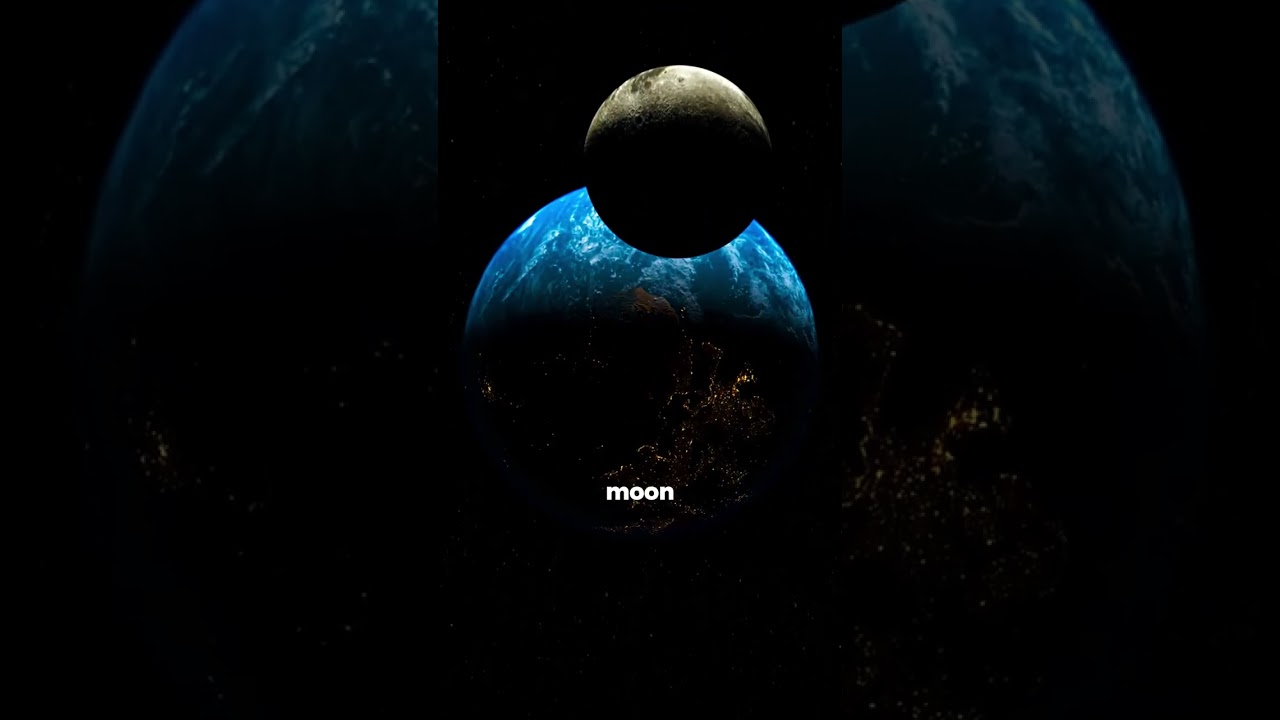
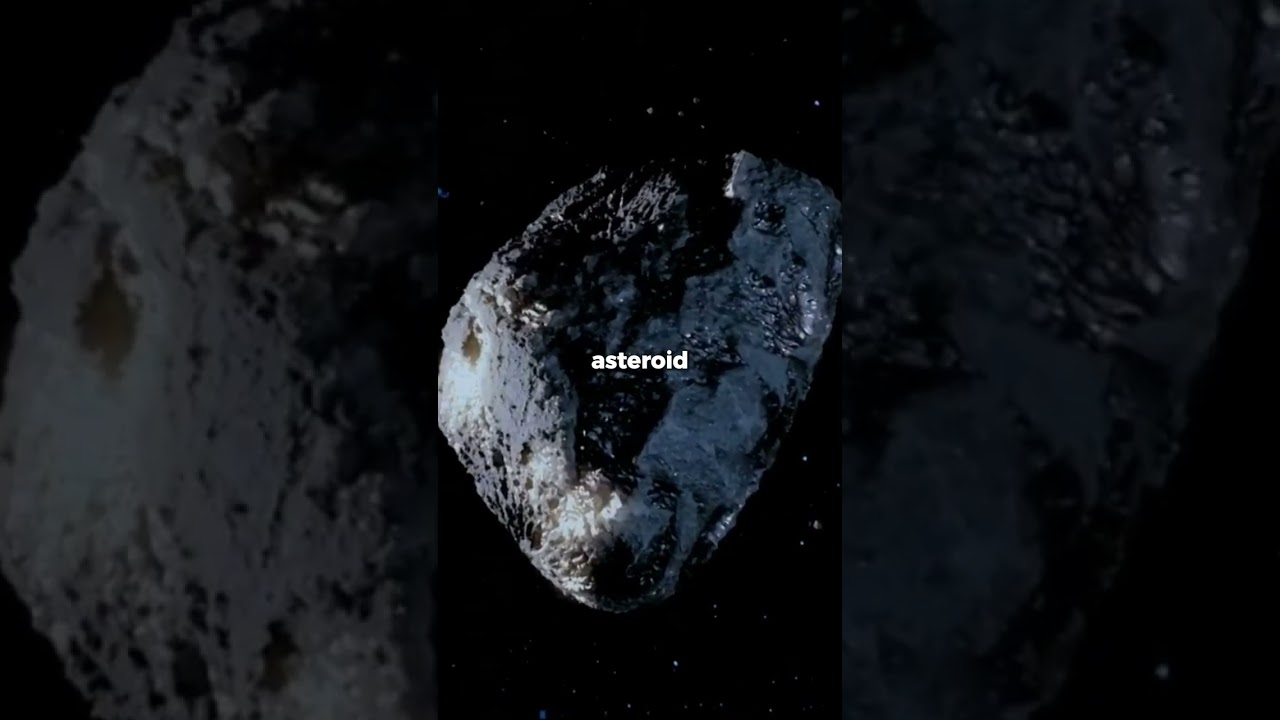
The prosaic scenarios, the safe assumptions about gradual climate shifts, were running out of explanatory power. Something dramatic had interrupted the warming trend coming out of the last ice age, and the standard mechanisms weren't adding up. The data was pointing toward a more catastrophic trigger, one that required looking beyond slow-moving Earth processes and considering external forcing mechanisms that had been largely dismissed by mainstream science.
Randall Carlson's digital academy is finally here live sessions, direct access, certification programs, and a private community. Join Kosmogonia today
Sentinel Indexing in Progress
Metadata and chapters are available. Claim extraction for this episode is pending.
All video content is delivered via YouTube embedded players in accordance with the YouTube Terms of Service. Sentinel provides research tools that promote discovery and accountability across political media.