The Randall Carlson
@therandallcarlson·632K subscribers·2.1K videos
Ancient Comet Myths: Shared Memory of Catastrophe
Posted
July 27, 2026
Views
7,141
Likes
611
Comments
8
Engagement
8.67%
July 27, 2026
7,141
611
8
8.67%
Every word spoken in this episode is indexed. Type any phrase to jump straight to the moment it was said.
Type any word or phrase that may have been spoken. Click a result to seek the player to that exact moment.
Try a name, a topic, or a quoted line
Episode Timeline
Every episode in order around the one you’re watching — click any card and the page flips straight to it.
 0:59Now Playing
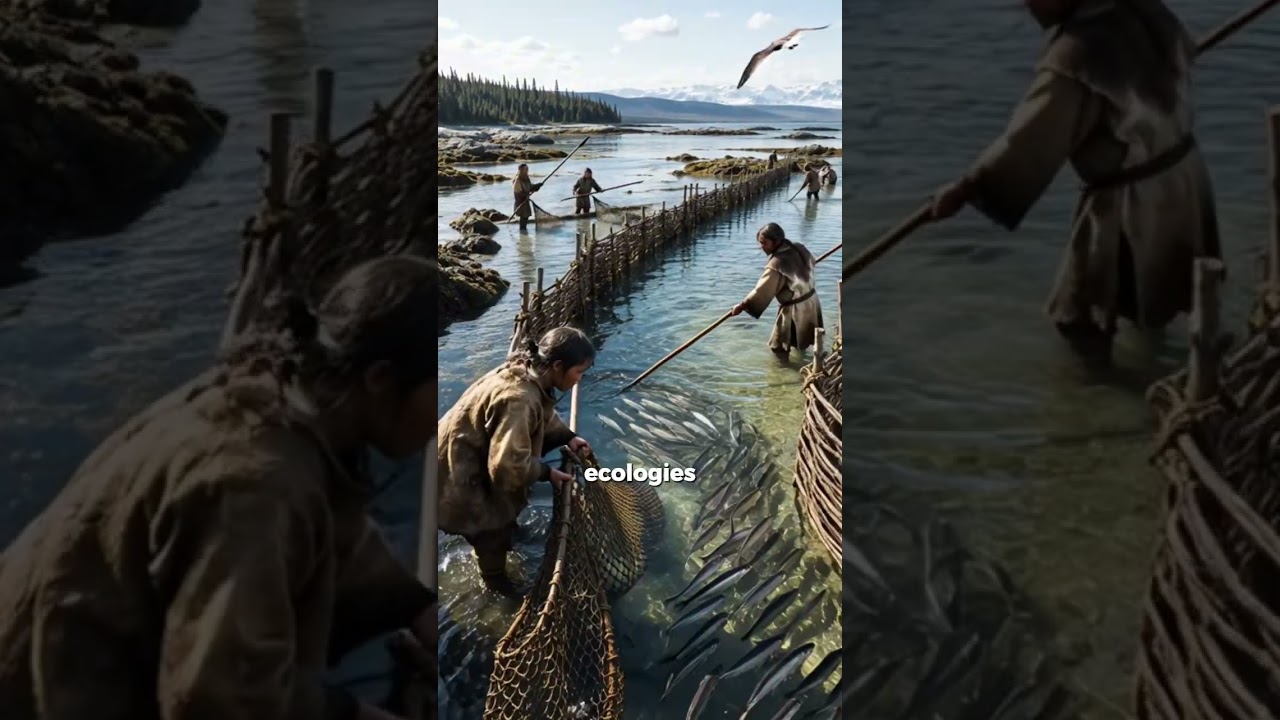
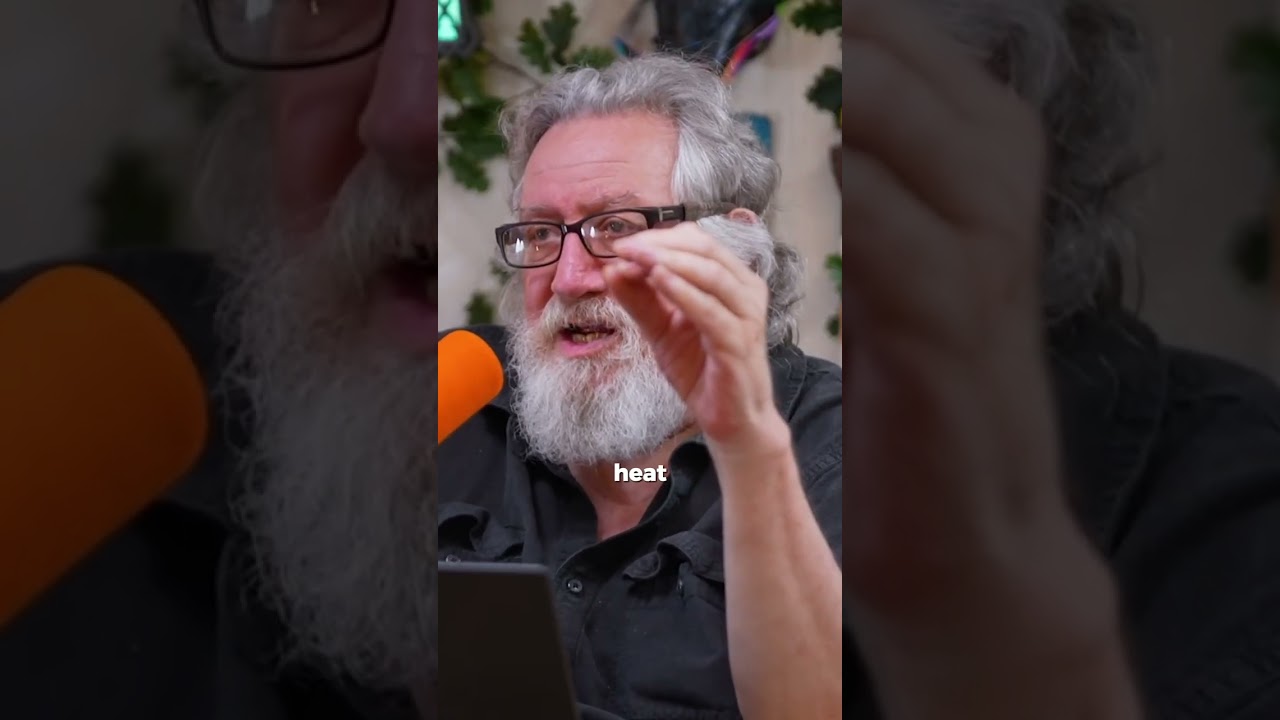
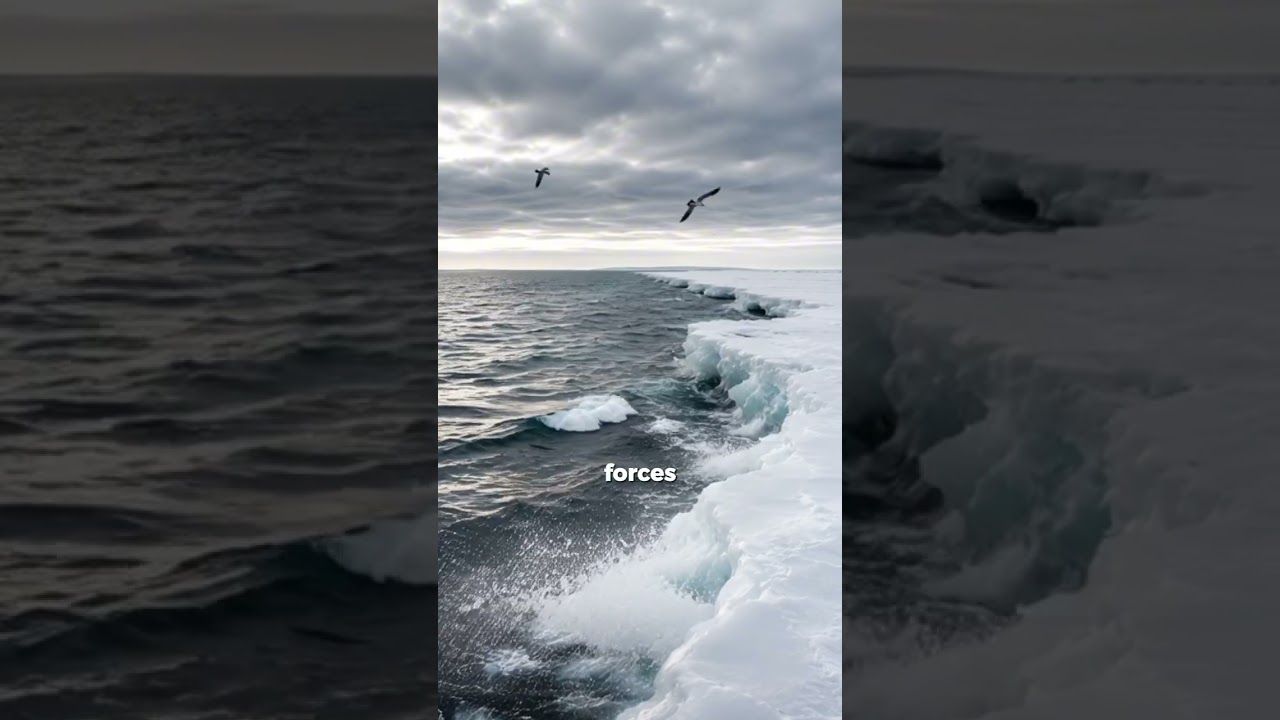
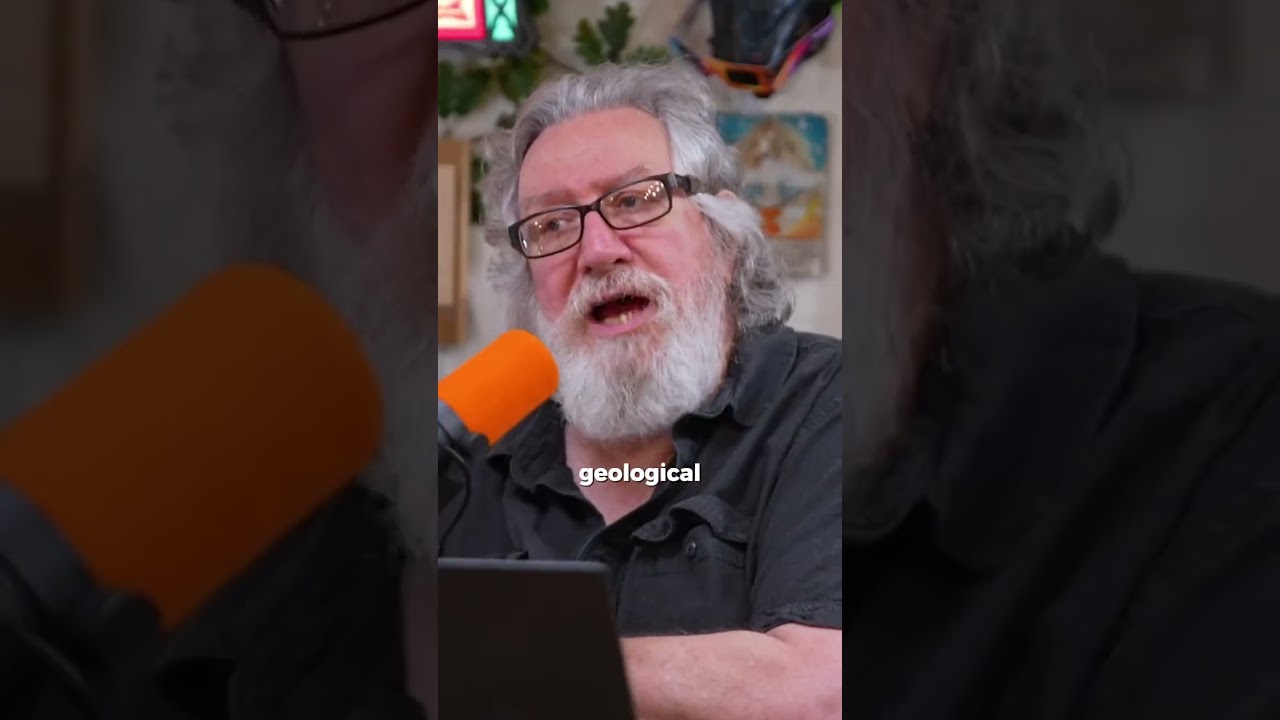
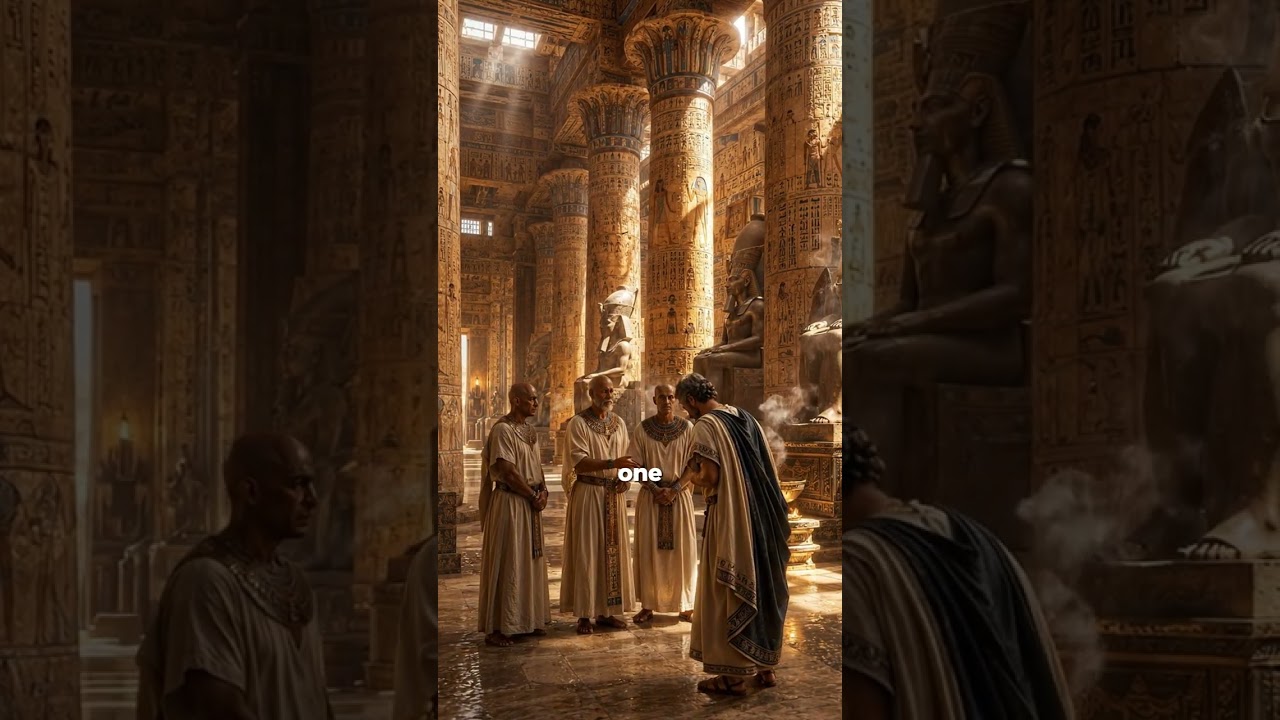
He examines how ancient cultures across the globe interpreted celestial events with remarkable consistency. From Central Asian fire serpents to Andaman Island evil spirits, from fiery swords presaging war to the Babylonian Epic of Gilgamesh describing fire, brimstone, and flood, the pattern is unmistakable. These weren't random superstitions scattered across isolated populations. They represent a shared human memory of cosmic catastrophe, encoded in myth and passed down through oral tradition. The question becomes: why would cultures separated by thousands of miles and thousands of years describe comets and meteors in such uniformly catastrophic terms? He suggests the answer lies not in coincidence but in actual historical experience. When you find this level of cross-cultural agreement in ancient narratives, you're looking at something real, something that left an indelible mark on human consciousness. The mythology isn't metaphor. It's memory.
Sentinel Indexing in Progress
Metadata and chapters are available. Claim extraction for this episode is pending.
All video content is delivered via YouTube embedded players in accordance with the YouTube Terms of Service. Sentinel provides research tools that promote discovery and accountability across political media.