The Randall Carlson
@therandallcarlson·632K subscribers·2.1K videos
The Holocene Boundary: Why 11,600 Years Matters
Posted
July 29, 2026
Views
9,235
Likes
512
Comments
15
Engagement
5.71%
July 29, 2026
9,235
512
15
5.71%
Every word spoken in this episode is indexed. Type any phrase to jump straight to the moment it was said.
Type any word or phrase that may have been spoken. Click a result to seek the player to that exact moment.
Try a name, a topic, or a quoted line
Episode Timeline
Every episode in order around the one you’re watching — click any card and the page flips straight to it.
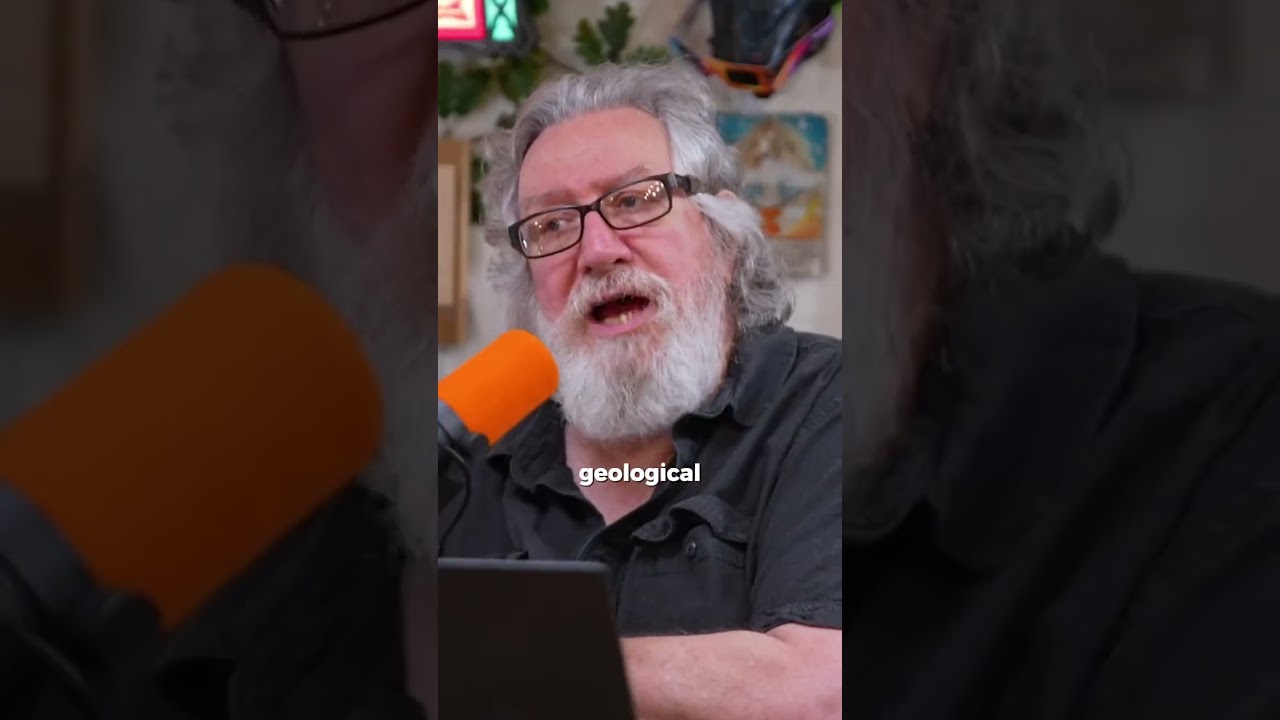 0:35Now Playing
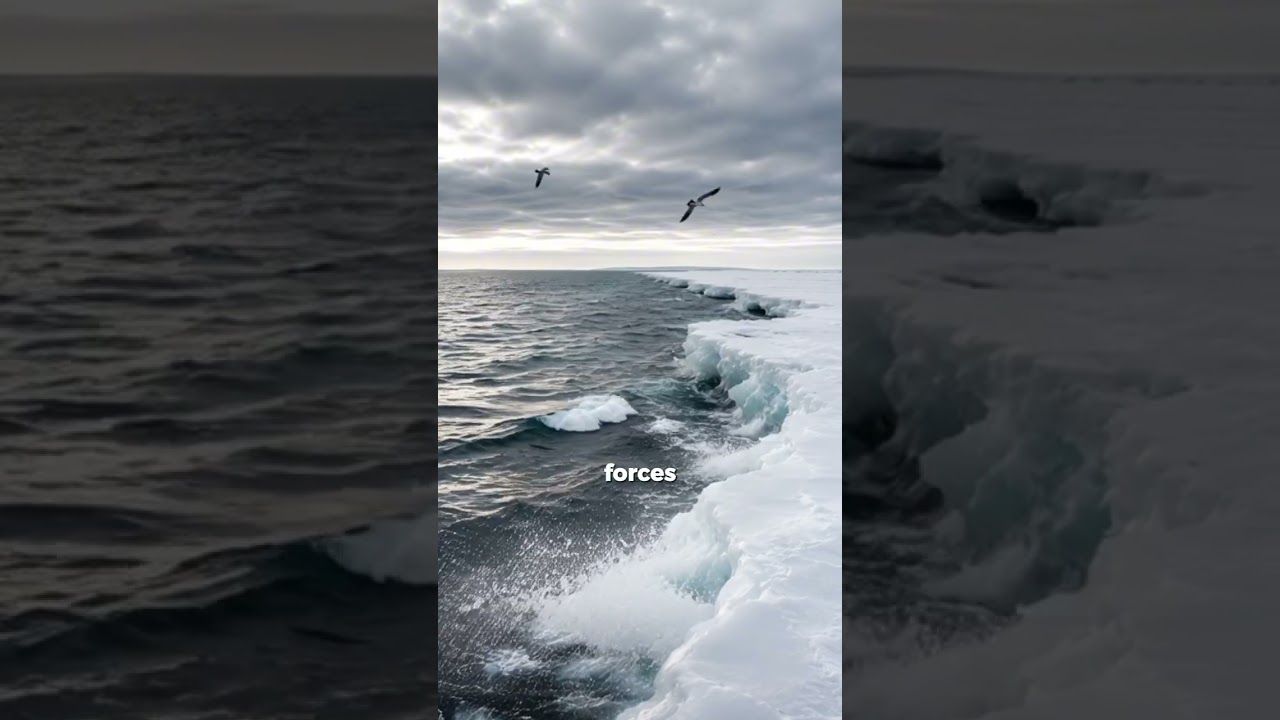
The boundary between the Pleistocene and the Holocene has been refined to exactly 11,600 years ago, precisely marking the end of the Younger Dryas. That date has shifted around over the decades, sometimes by a couple thousand years in either direction, but the current consensus landed on that specific number. What makes it interesting is the precision itself. When a geological boundary gets that sharply defined, it suggests something abrupt happened in the climate record, something clear enough to pin down with confidence.
The Younger Dryas was a dramatic cold snap that interrupted the warming trend coming out of the last ice age. Its end coincides with meltwater pulse 1B, a massive discharge of glacial meltwater into the oceans. The fact that this transition is now pegged to 11,600 years ago raises questions about what triggered such a sudden shift and whether there are patterns in Earth's climate history that repeat on recognizable timescales.
Sentinel Indexing in Progress
Metadata and chapters are available. Claim extraction for this episode is pending.
All video content is delivered via YouTube embedded players in accordance with the YouTube Terms of Service. Sentinel provides research tools that promote discovery and accountability across political media.