
The Ring of Fire
@theringoffire·1.4M subscribers·27K videos
Pandemic Failed To Slow The Rise Of Carbon In The Atmosphere
Posted
June 26, 2021
Views
8,997
Likes
962
Comments
159
Engagement
12.46%
June 26, 2021
8,997
962
159
12.46%
Every word spoken in this episode is indexed. Type any phrase to jump straight to the moment it was said.
Type any word or phrase that may have been spoken. Click a result to seek the player to that exact moment.
Try a name, a topic, or a quoted line
See what was published immediately before and after this episode.
 4:36Now Playing
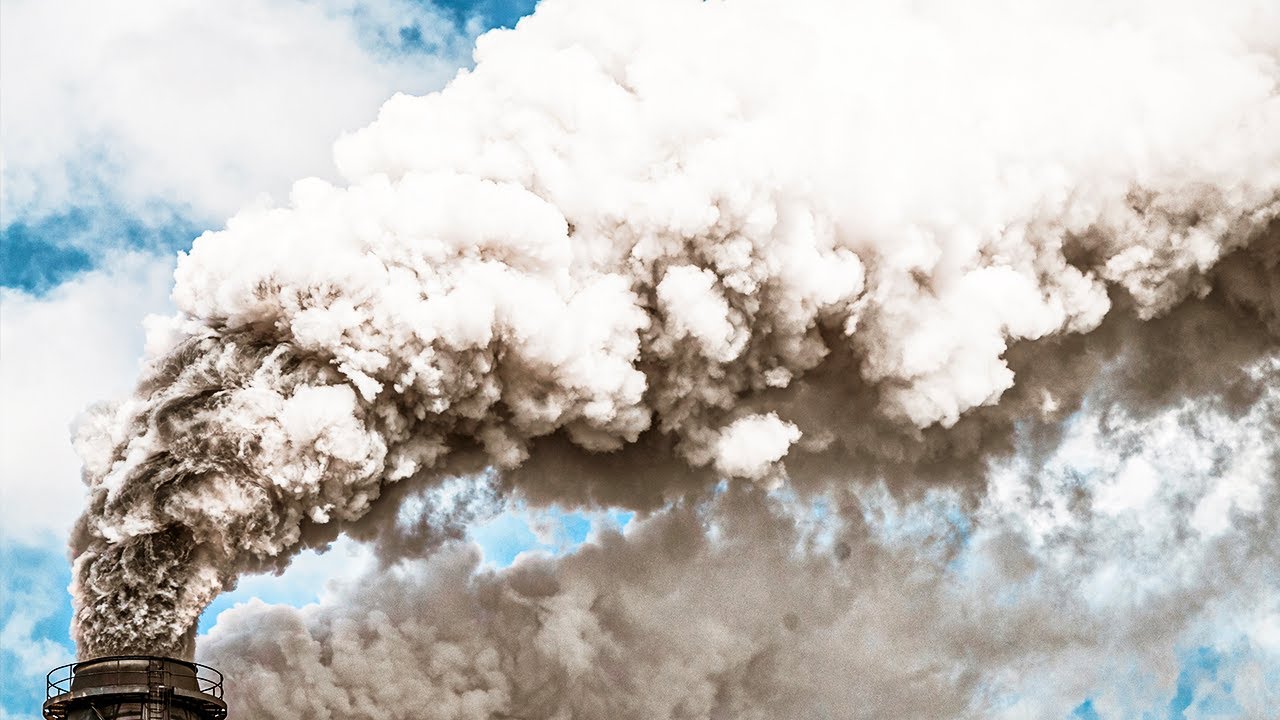
CO2 concentrations in our atmosphere hit a record high in 2020, in spite of the slow in global traffic from the pandemic. Even as individual areas saw immediate relief from less human activity, the planet as a whole saw emissions continue to rise at an alarming rate. Reducing activity alone cannot solve the problem, and the world needs to begin moving to renewable, clean sources of energy before we run out of time. Ring of Fire's Farron Cousins discusses this.
Become a member today!
Support us by becoming a monthly patron on Patreon, and help keep progressive media alive!
Find our merchandise at Teespring
Spread the word! LIKE and SHARE this video or leave a comment to help direct attention to the stories that matter. And SUBSCRIBE to stay connected with Ring of Fire's video content!
Support Ring of Fire by subscribing to our YouTube channel
Be sociable! Follow us on:
Follow more of our stories at
Subscribe to our podcast
*This transcript was generated by a third-party transcription software company, so please excuse any typos.
Here's some rather depressing news, recent reports from the national oceanic and atmospheric administration show that even though we had industrial slow down during the pandemic in the early months of 2020, we still saw CO2 levels in the atmosphere last May, May, 2020, hit 419 parts per million That is a record high. So even with the reduced activity, the reduced traffic and by traffic, I mean air traffic, vehicle traffic, human traffic, reduced industrial activity, we still hit a record high. And here is why, one of the reasons why, that is so disappointing. We saw in certain areas, you know, across the planet, you know, environments cleaning up. Reduced traffic resulted in people being able to see the night sky again, clearly without smog, without all these, you know, greenhouse gases and other pollutants in the air. We saw animals returning to habitats they haven't been in, in decades because of the reduced traffic.
We thought for a moment, things were looking better. And now we learn that it wasn't. That's what's so disappointing about this. But it also tells us that simply reducing our individual activities, even globally, that's not enough. That is not enough. We have to get off fossil fuels. That is the only solution to this problem. And I know, I know, don't even bother saying it. I know that you've got, you know, a handful of companies responsible for more than 70% of the global emissions. I understand it. I get it. I've reported on it for years. And that's why we have to get all fossil fuels. Because as long as these corporations are allowed to continue to do this, extract these resources from the earth, burn them, sending CO2 and other pollutants up into the atmosphere, if we don't stop that we can't fix it. And the issue is we can fix it.
We can stop it. We just lack the willpower right now. Politically, we lack the willpower politically, to do that. And it's not just us here in the United States. This is a global effort. We can't go it alone. Other countries can't go it alone. Although plenty of countries in Europe are making much greater strides than we are here in the United States. We just came off four years of backwards action on the issue of climate change and Biden to his credit is making some good strides, you know, certainly some critics say it's not enough. But I believe firmly that we have to celebrate every victory we get and we've gotten plenty of victories on the environmental issue with Joe Biden. Sure, there's still things I would love to see him do. I would love to see the Democratic party outright reject fracking because we can't move forward on the issue if we do not ban fracking.
But we got to take what we can get. And we got to make these strides because we don't have all the time in the world anymore. The clock is ticking, but there is enough time to do something. We can pull it back from the brink. We're already witnessing the effects of climate change across the globe. Okay. We can't stop that. But we just might be able to stop it from getting even worse and over time we might be able to reverse it. But not without that political willpower and the willpower of the politicians to do it does in fact come from us. We have to push them. We have to beg them. We have to show up and protest because if we're not doing our part, they're sure not going to do their part.
Sentinel Indexing in Progress
Metadata and chapters are available. Claim extraction for this episode is pending.
All video content is delivered via YouTube embedded players in accordance with the YouTube Terms of Service. Sentinel provides research tools that promote discovery and accountability across political media.