
The Ring of Fire
@theringoffire·1.4M subscribers·27K videos
Shocker! Businesses Find That Raising Wages Attracts More Workers
Posted
June 27, 2021
Views
23,859
Likes
2,254
Comments
323
Engagement
June 27, 2021
23,859
2,254
323
10.80%
Every word spoken in this episode is indexed. Type any phrase to jump straight to the moment it was said.
Type any word or phrase that may have been spoken. Click a result to seek the player to that exact moment.
Try a name, a topic, or a quoted line
See what was published immediately before and after this episode.
 4:29Now Playing
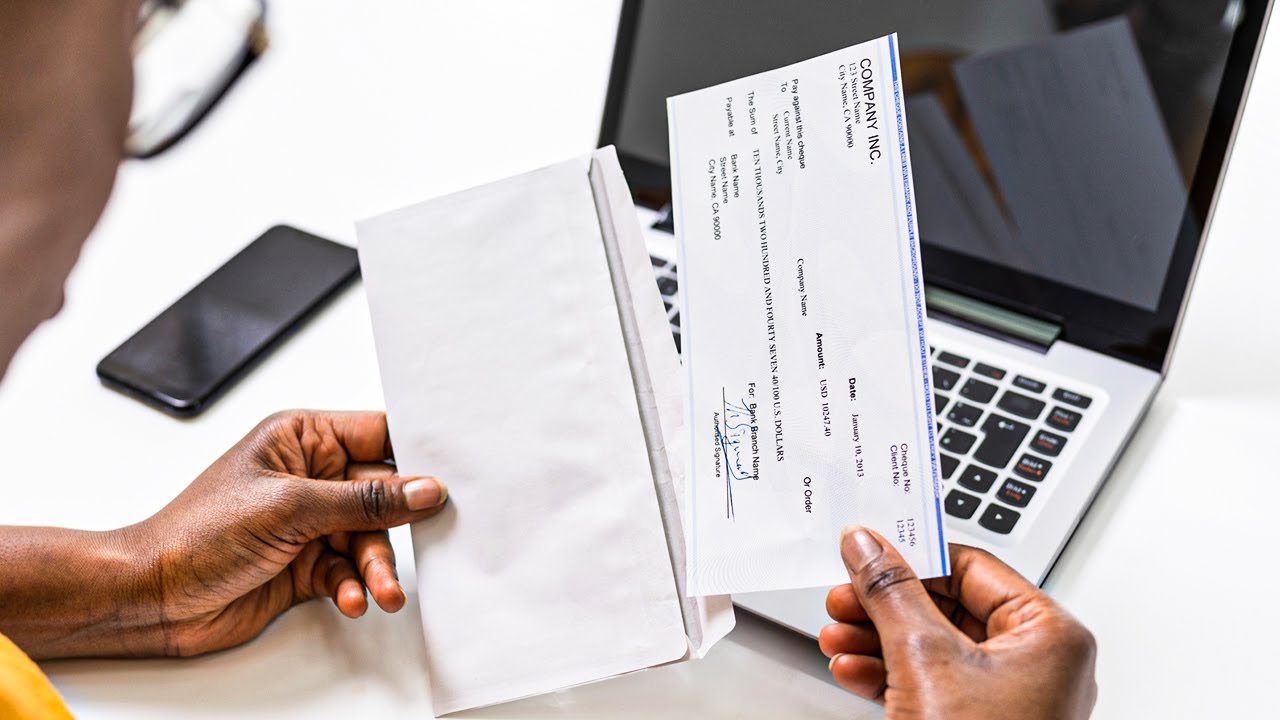
Business owners all over the country are finally waking up to a fact that has been obvious to the rest of us for some time: If you pay people more money, more people will want to work for you. The Washington Post recently spoke with business owners who have seen a massive spike in their applications after raising their wages to $15 an hour or more, and they all said that this helped to solve the so-called "worker shortage." The country should take note of this very obvious solution, as Ring of Fire's Farron Cousins explains.
Become a member today!
Support us by becoming a monthly patron on Patreon, and help keep progressive media alive!
Find our merchandise at Teespring
Spread the word! LIKE and SHARE this video or leave a comment to help direct attention to the stories that matter. And SUBSCRIBE to stay connected with Ring of Fire's video content!
Support Ring of Fire by subscribing to our YouTube channel
Be sociable! Follow us on:
Follow more of our stories at
Subscribe to our podcast
*This transcript was generated by a third-party transcription software company, so please excuse any typos.
Stop the presses, folks. We have a major breaking story here from the Washington Post recently, where they found out, according to business owners, small business owners here in the United States, a shocking revelation. When they raise their wages to at least $15 an hour, sometimes more than $15 an hour, they were inundated with people that wanted to come work for them. I know, I know who could have guessed this would have happened aside from literally every credible economist that's looked at this and of course, what businesses are saying behind closed doors at their fancy little meetings where they've said that when we raise the minimum wage, we do better. So yeah, this isn't shocking at all. But recently the Washington Post interviewed 12 different business owners who have all seen an influx of people wanting to come work for them after they raised their wages to at least $15 an hour. They spoke to 12 different businesses and all but three of the businesses said they didn't even have to raise their prices.
Three of the businesses said they either raised their prices or they had to cut back on some people's hours. So maybe they don't have as much staff on hand in a particular hour as usual, but everybody's doing better. So you got 75% of the businesses that didn't have to make any changes to the way they do business whatsoever, other than raising wages. And now they got people at a time when we're hearing these horror stories about nobody wants to work. Nobody wants to work. No, nobody wants to work for a poverty wage. Nobody wants to work full time and still not be able to pay their bills. So what we're seeing in these reports, the success stories we're seeing from these businesses, is not because people suddenly became not lazy. They were never lazy. They were just sick and tired of being held down by the systemic poverty that businesses both large and small create here in the United States. That was their main problem and raising the wages helps to solve it.
Helps to solve it. Doesn't solve it completely, but it helps. Now here's the thing. And I want to address this because I've had people try to call me out for this in the past when I've mentioned that businesses may take a small hit upfront by raising the wages, but then they'll make it all back eventually. And people say they won't take any hit upfront. No, they do and that's what some of these businesses did confirm. Yes, we lose a little bit of money up front when we raised the wages. Obviously. I mean, that, that is obvious because now you suddenly immediately have a little bit more going out than you had coming in. But again, you make it up on the back end because when you have an economy where everybody has more money to spend, you know, what they do when they have more money to spend, they spend more money. And that's what these other businesses, the larger businesses across the country have also found out. When we raise our wages, our business ends up increasing. When you have a city that increases the minimum wage so everybody makes more, businesses all over start to make more.
So yes, you may kind of lose a bit of money upfront, but within a few weeks, maybe just a couple months, you've made it all back and then some, and then you're on the path to more profits in the future. That's what happens here.
Sentinel Indexing in Progress
Metadata and chapters are available. Claim extraction for this episode is pending.
All video content is delivered via YouTube embedded players in accordance with the YouTube Terms of Service. Sentinel provides research tools that promote discovery and accountability across political media.