The Ring of Fire
@theringoffire·1.4M subscribers·27K videos
Opioid Lawsuit Settles For $26 Billion In Largest Civil Action In History
Posted
July 22, 2021
Views
6,500
Likes
502
Comments
93
Engagement
July 22, 2021
6,500
502
93
9.15%
Every word spoken in this episode is indexed. Type any phrase to jump straight to the moment it was said.
Type any word or phrase that may have been spoken. Click a result to seek the player to that exact moment.
Try a name, a topic, or a quoted line
See what was published immediately before and after this episode.
 4:01Now Playing
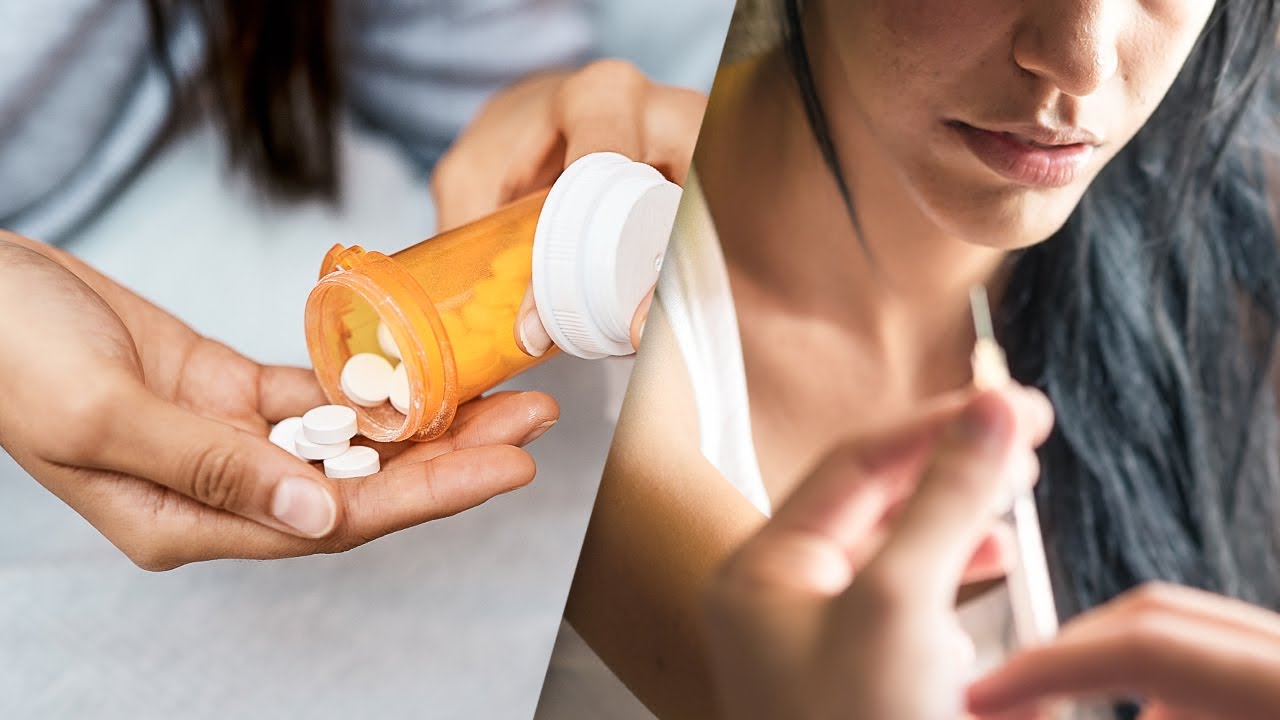
Via The News with Rick Sanchez: Opioids have killed 50,000 people a year in the United States alone while big pharma has raked it in. A $26 billion settlement--the biggest civil action ever taken--aims to tip things in favor of the victims. In a News with Rick Sanchez exclusive, attorney Peter Mougey, the man behind this historic settlement, tells us how he pulled it off.
Learn more about government lawsuits against opioid distributors & manufacturers at
Become a member today!
Support us by becoming a monthly patron on Patreon, and help keep progressive media alive!
Find our merchandise at Teespring
Spread the word! LIKE and SHARE this video or leave a comment to help direct attention to the stories that matter. And SUBSCRIBE to stay connected with Ring of Fire's video content!
Support Ring of Fire by subscribing to our YouTube channel
Be sociable! Follow us on:
Follow more of our stories at
Subscribe to our podcast
*This transcript was generated by a third-party transcription software company, so please excuse any typos.
Peter Mougey, he heads the securities and business litigation department at the Levin Papantonio and Rafferty law firm, which has played a central role in the opioid allegations. Thank you so much counselor for joining us. So, is it fair to say, as we look at this situation that there was enough of a quid pro quo that these companies knew what they were doing, did it on purpose, continually did it, and as a result people died?
Well, the lead in for this is 2001, US Congress had their first hearing and investigated Oxycontin and referred to it as the angel of death. So 2001 onward, and the distributors that are responsible for 21 billion of this settlement who were charged by federal law with designing and operating the system to detect red flags, which are shipments into pharmacies, operated with virtually no system and this runaway growth of opiate pills into our communities that the distributors would charge to protect did almost nothing. And today they've agreed to pay 21 billion, but more importantly, the injunctive relief part of this deal, which mandates that the conduct, it's not just as business as usual, that the conduct is going to change. And the red flag systems are going to be enacted to ensure this never happens again.
Just to be clear and to explain it to our audience. So Purdue made the drug, but these companies like McKesson and several others, they're the ones who actually distributed the drugs. So this is like the second hammer to fall, so to speak. Am I correct?
That's exactly right. So you have the, we call it the supply chain, the opiate supply chain. You have the Purdue, Mallinckrodt, Activa, that are the three main distributors that account for about 75% of the market. Then you have the distributors that are, the distributors are, are like the beat cops that distribute to the pharmacies that were supposed to ensure that any orders of any suspicious size, frequency or pattern were detected, shipment was supposed to be stopped and they were supposed to perform due diligence before they went to the pharmacies. And then the pharmacies who are often actually distributors and pharmacies were supposed to have another level of check. So there are three checks in the system, at the manufacturer level, the distributor level and the pharmacy level. So today what was announced was the big three distributors, which is that middle check, the beat cop, that was McKesson, AmerisourceBergen and Cardinal have agreed to 21 billion and conduct change. And then J & J, which is one of the manufacturers and importers.
Johnson and Johnson, right.
And marketers. That's exactly right. They've agreed to 5 billion. So those are, these are just four players. Purdue, is now in bankruptcy. The Sacklers have been stripped of their ownership of the company. They've agreed to pay another 4.2 billion. So as of right now, just with those five defendants, we're 30 billion to put back into our local governments and our states to address the epidemic.
I'm still wondering why no one in those companies is going to prison and should they, because in the end, isn't that really the ultimate punishment?
Well, you're exactly right. I mean, let's, let's look at the, the cash payments, which are, which are important, and they're going to put money back into our communities, and I'm not downplaying that. But, but who pays it? I mean, the shareholders ultimately pay it.
#rof #trofire #theringoffire #progressivenews
Sentinel Indexing in Progress
Metadata and chapters are available. Claim extraction for this episode is pending.
All video content is delivered via YouTube embedded players in accordance with the YouTube Terms of Service. Sentinel provides research tools that promote discovery and accountability across political media.