The Ring of Fire
@theringoffire·1.4M subscribers·27K videos
The Truth About Trump’s “Free Speech”
Posted
May 24, 2025
Views
9,377
Likes
878
Comments
79
Engagement
10.21%
May 24, 2025
9,377
878
79
10.21%
Every word spoken in this episode is indexed. Type any phrase to jump straight to the moment it was said.
Type any word or phrase that may have been spoken. Click a result to seek the player to that exact moment.
Try a name, a topic, or a quoted line
See what was published immediately before and after this episode.
 7:42Now Playing
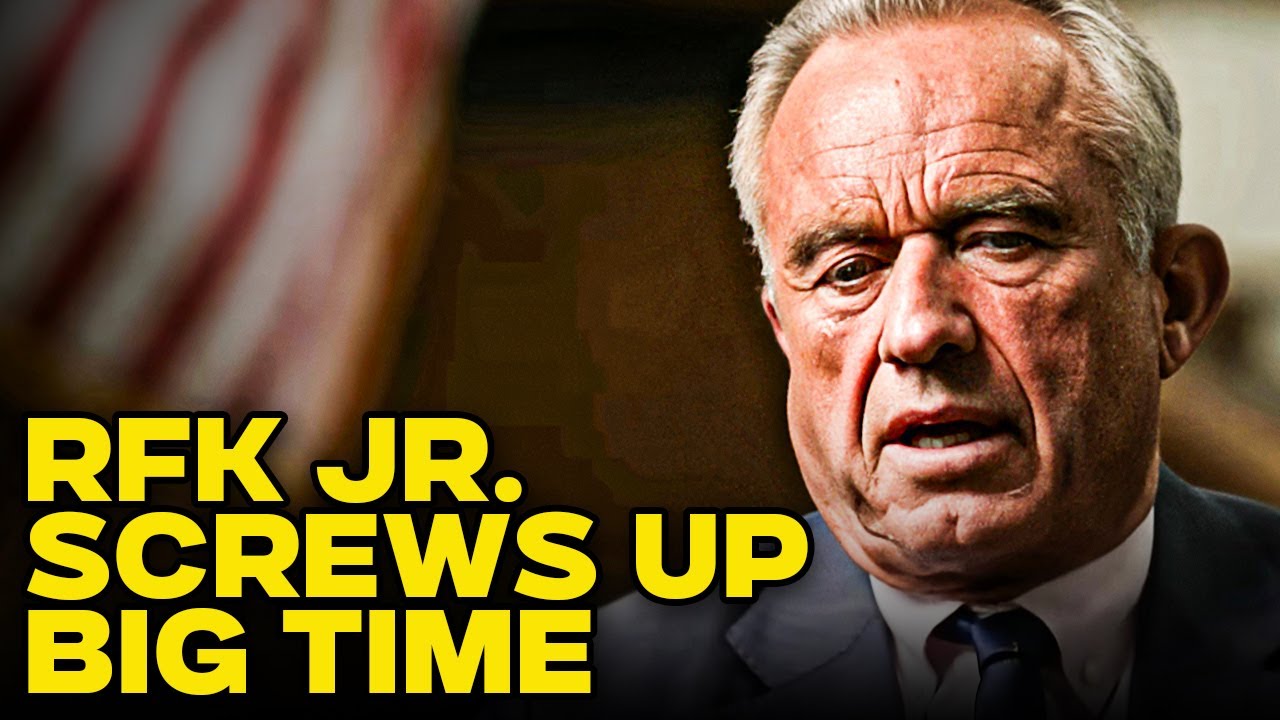
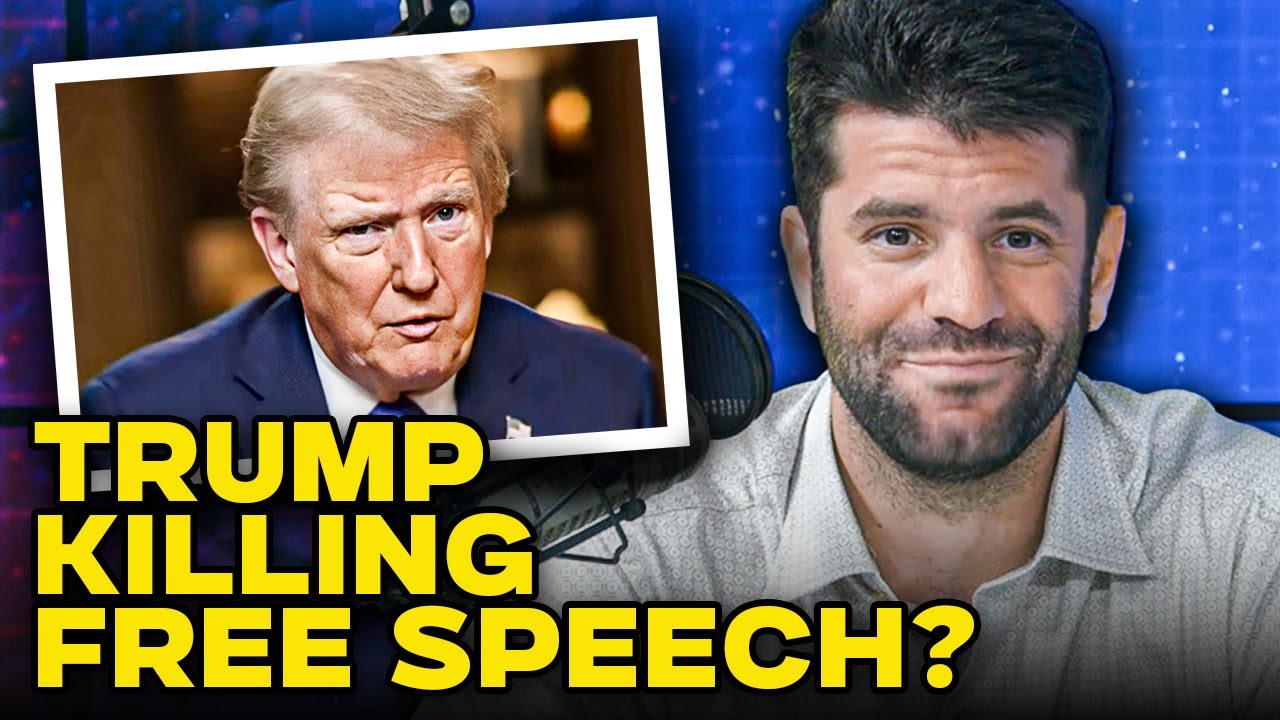
President Trump claims he ended censorship and restored free speech in America — but is that really true? In this video, we break down what the First Amendment actually protects, how courts define censorship, and whether Trump’s actions align with the Constitution. From threatening universities and artists to punishing law firms and protestors, critics say his policies are silencing dissent, not protecting speech. So is this free speech, or something far more dangerous? You decide.
Subscribe to stay connected to our stories
Support us by becoming a member on YouTube
Or Support us on Patreon
Buy Ring of Fire merch
Find us on social media!
*This transcript was generated by a third-party transcription software company, so please excuse any typos.
In his recent State of the Union speech, president Trump said he stopped all government censorship and brought back free speech, but his opponents say he's done the exact opposite, so he's right. That is for you to decide. The First Amendment says the government can't pass laws that take away our freedom to speak. Our founders made this rule because back in England it was a crime for them to criticize the king, and the founders didn't like the idea of facing penalty of death for speaking their mind. In the US courts see free speech as a basic right. They say speech should be wide, open, energetic, and unrestricted. There are three main types of speech, pure speech, so just words like what I'm saying now. Speech plus, so words and actions like holding signs and chanting, and then symbolic speech. Actions that express a message like a burning a flag or doing a silent protest.
All of these can be protected by law, but where you speak matters to in private places like your home. The government has almost no control in public places like parks or streets or designated public places like malls. The government can make rules about when, where, and how you speak, but not about what you speak about. This is because we don't want the government to decide what thoughts, ideas, or debates can be expressed. In other words, the government shouldn't be able to regulate the content of what's said, but we recognized that it is in the public interest sometimes to limit where speech can occur. So for instance, a law that says you can't express support in a public park for any country besides the USA during the World Cup is a limit on speech based on content, and that would be unlawful. But a law that says you can't exercise any form of expression in a public park after 10:00 PM is likely to be fine because it doesn't restrict any one kind of viewpoint, and it is meant to ensure the people around the park aren't bothered when trying to go to sleep.
Now, to decide if the government is properly limiting speech courts perform the following analysis, does the law restrict the ability to speak in public or private places? If yes, the question is whether the law is content based. If it is, then does the law serve a compelling government interest and is it necessary and narrowly tailored to achieve the interest? If the law is not content-based, the courts will ask, can the government support the law without referencing any content of speech? Is the law narrowly tailored to serve a significant governmental interest and does the law allow for enough other ways for people to communicate the information they want? Courts have approved laws that are not content based, such as those that restrict any speech within a hundred feet of a medical facility or that prevent protesters from blocking sidewalks and streets. Such laws are not based on content and only limit the availability to speak in a narrow manner.
While courts are much more concerned with laws that seek to limit certain types of speech, courts have determined certain content is able to be regulated, such as obscene speech, like giving porn to kids speech that incites violence, like encouraging people to be immediately violent and defamation or spreading lies that hurt someone's reputation. Because everyone is wondering, the courts found porn is not considered obscene just because it involves sex. If speech just provokes normal healthy sexual desires, it is lawful. Also, the courts have allowed a carve out of obscene language as long as it's not child porn within one's home because it is so private and because it says a fundamental right is to be free except in very limited circumstances from unwanted government intrusion into one's privacy.
Sentinel Indexing in Progress
Metadata and chapters are available. Claim extraction for this episode is pending.
All video content is delivered via YouTube embedded players in accordance with the YouTube Terms of Service. Sentinel provides research tools that promote discovery and accountability across political media.