The Ring of Fire
@theringoffire·1.4M subscribers·27K videos
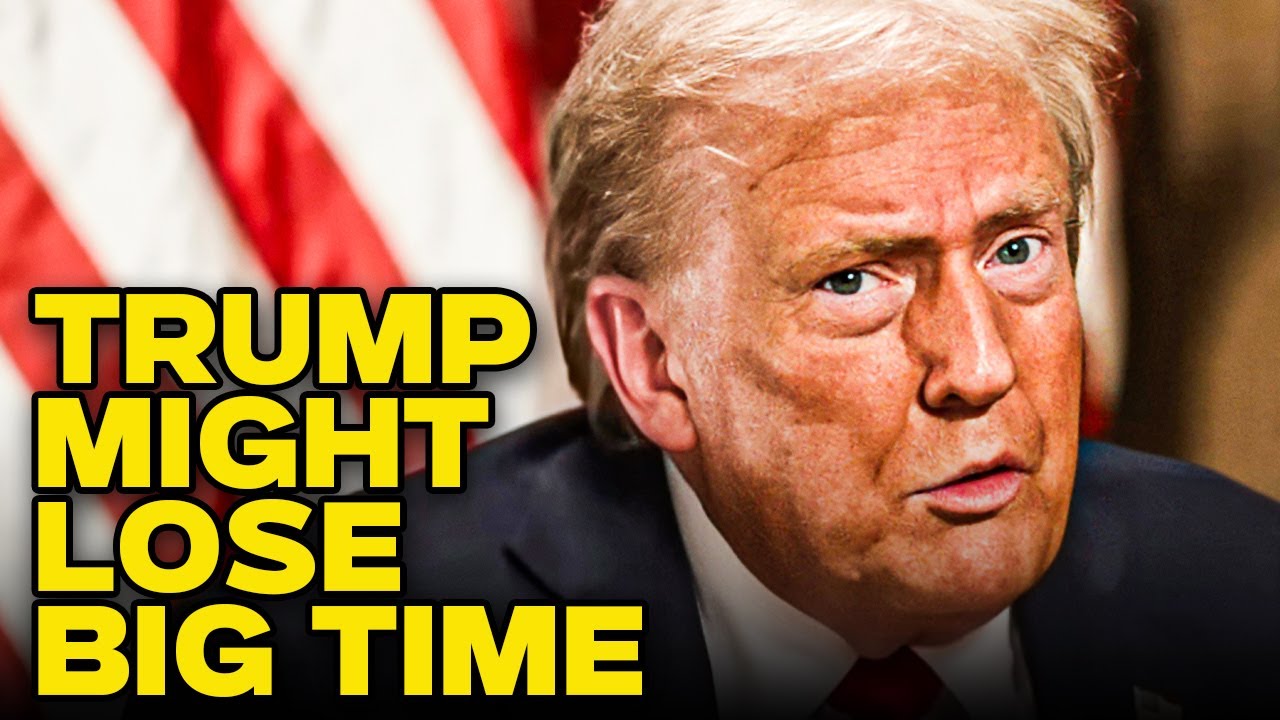
Trump’s Threat to Cities: Legal or Pure Retaliation?
Posted
May 31, 2025
Views
10,768
Likes
931
Comments
41
Engagement
9.03%
May 31, 2025
10,768
931
41
9.03%
Every word spoken in this episode is indexed. Type any phrase to jump straight to the moment it was said.
Type any word or phrase that may have been spoken. Click a result to seek the player to that exact moment.
Try a name, a topic, or a quoted line
See what was published immediately before and after this episode.
 6:16Now Playing
President Trump has threatened to withhold federal funds from sanctuary cities — but is that even legal? In this episode, we break down the constitutional limits on federal power, the anti-commandeering doctrine, and what the courts have actually said about sanctuary jurisdictions. Supporters say Trump is just enforcing immigration law. Critics argue it’s a coercive power grab meant to punish local governments for defying his agenda. So — can Trump legally defund cities over immigration? You decide.
Subscribe to stay connected to our stories
Support us by becoming a member on YouTube
Or Support us on Patreon
Buy Ring of Fire merch
Find us on social media!
*This transcript was generated by a third-party transcription software company, so please excuse any typos.
Recently the Trump administration has threatened to withhold funds from cities and other jurisdictions that it believes are not cooperating with ice. A sanctuary jurisdiction is most often a city, county, or state that limits its cooperation with federal immigration enforcement. The policies of sanctuary jurisdictions vary, but they generally prevent local law enforcement from assisting in immigration enforcement unless required by federal law. The Constitution makes enforcing immigration laws the responsibility primarily of the federal government. The Constitution also limits federal power over states through the 10th Amendment and what is known as the anti commandeering doctrine. The Supreme Court has determined that the federal government cannot force state or local officials to enforce federal regulatory programs. States, of course, have to follow the law, but they don't have to lend a hand to the federal government. It's like saying you can't stop a police officer from chasing after a fleeing criminal suspect, but you do not have to help the police officer catch that fleeing criminal suspect.
In other words, Congress nor the president can just order the states to do whatever they want. This is mainly because of the ideals behind federalism, which is that power should be divided between the national and state governments to ensure states have freedom to act in ways that they feel are best for their own citizens. While the federal government can't force states to carry out its enforcement priorities, it can incentivize local governments that power falls to Congress and not to the President. Congress using its constitutionally granted power to determine how to spend money can attach conditions to the funds it will provide, but to make sure that the federal government cannot abuse this power, the Supreme Court has said the conditions imposed must be clearly expressed, be related to the funding in question, not be coercive and not violate the constitution. Now, courts mainly focus on the coercive nature of the federal government's actions, so that's what we will focus on.
One example where the court found Congress's actions were not coercive was when it refused to pay what amounted to less than 1% of South Dakota's total budget because South Dakota would not raise its minimum drinking age to 21. The court said the burden on South Dakota was small and that the law was basically a little encouragement and nothing more. Now, one example where the court found Congress's actions were coercive was where it said states had to expand healthcare coverage to their citizens or else it would not help fund any of the state's Medicaid expenses. Now, during that time, states spent about 20% of their budget on Medicaid. Now the law says the local governments can't prohibit or restrict the sending, receiving, or maintaining information about a person's immigration status with ice. While sanctuary jurisdictions as policies have been litigated, courts are split with how to apply the law.
Sentinel Indexing in Progress
Metadata and chapters are available. Claim extraction for this episode is pending.
All video content is delivered via YouTube embedded players in accordance with the YouTube Terms of Service. Sentinel provides research tools that promote discovery and accountability across political media.