Then Now
@thennow·549K subscribers·221 videos
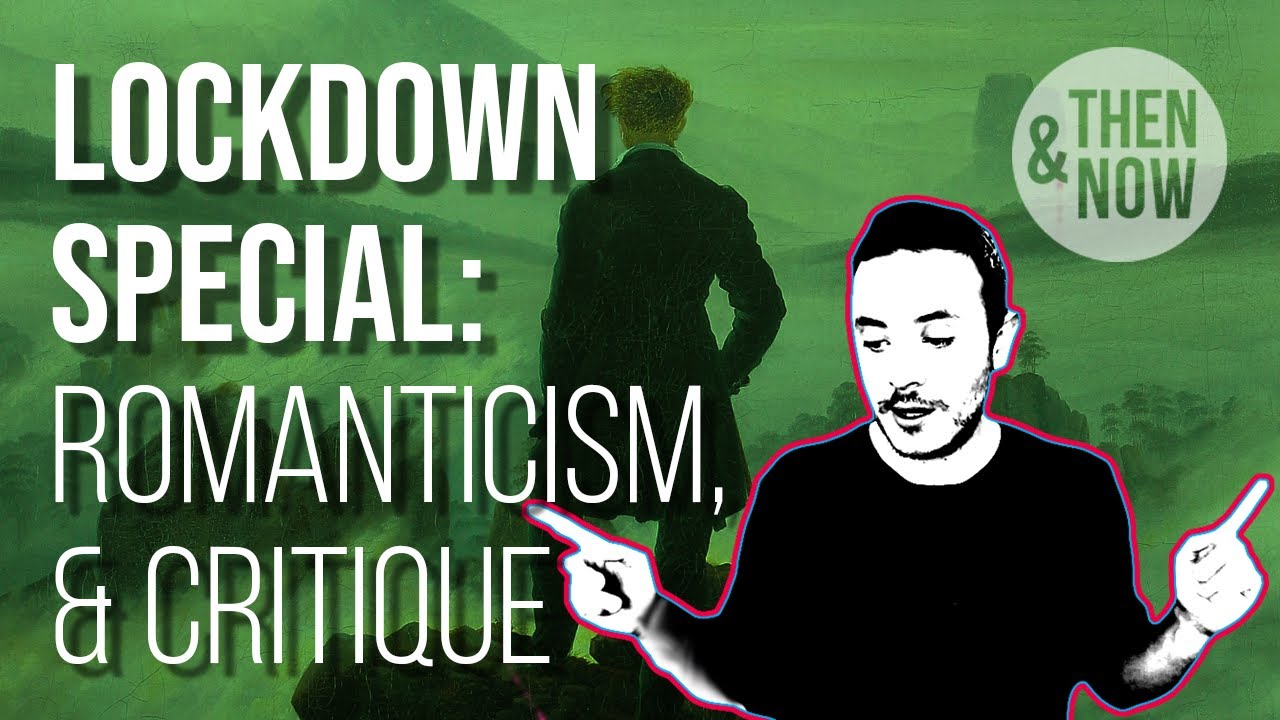
The Shock of Modernity
Posted
February 27, 2020
Views
48,827
Likes
2,314
Comments
118
Engagement
4.98%
February 27, 2020
48,827
2,314
118
4.98%
Every word spoken in this episode is indexed. Type any phrase to jump straight to the moment it was said.
Type any word or phrase that may have been spoken. Click a result to seek the player to that exact moment.
Try a name, a topic, or a quoted line
 18:01Now Playing
What is modernity? The end of the nineteenth century was a period of unprecedented upheaval. Factories sprouted in masses, railways were laid at great length, urbanisation sprawled and beckoned, and masses organised capitalistically and politically.
All of this happened at dizzying speed. This was the moment the modern world crashed together and dragged people from the fields to the factory floor.
Within a generation, the entire consciousness of life had changed.
In this video, I look at how consciousness was affected by that change. I look at industrialisation, the move from the country to the city, neurasthenia, kierkegaard and the concept of anxiety, Nietzche, Darwin and the death of God. I also look at the birth of the railway, Dickens, and sensation novels. All of these things contributed to what has become modernity.
People were nervous, literally – a new diagnosis became popular amongst America’s elites: neurasthenia.
It was a contemporary form of stress, characterised by symptoms like fatigue, headache, and irritability.
Neurasthenia, according to physician Charles Beard, was the result of a depletion of nervous energy, but was becoming more common as a reaction to the anxieties of the modern world and of the demands of American exceptionalism. Neurasthenia was almost a fashion. Adverts appeared selling ‘nerve tonics’, self help books dominated the shelves, even breakfast cereals claimed to be able to cure ‘americanitus’.
Then & Now is FANFUNDED! Support me on Patreon and pledge as little as $1 per video
Or send me a one-off tip of any amount and help me make more videos:
Buy on Amazon through this link to support the channel:
Follow me on:
Sources:
Allan V Horwitz, Anxiety: A Short History
Nicholas Daly, ‘Blood on the Tracks: Sensation Drama, the Railway, and the Dark Face of Modernity’, Victorian Studies, 42, 1, 1999, 47-76
Charles Beard, American Nervousness
Mark Jackson, the Age of Stress
Schuster, David G.. Neurasthenic Nation : America's Search for Health, Happiness, and Comfort, 1869-1920. : Rutgers University Press
Nicholas Daly, ‘Railway Novels: Sensation Fiction and the Modernization of the Senses’, John Hopkins University Press, 66, 2, 1999, 461-497
Sentinel Indexing in Progress
Metadata and chapters are available. Claim extraction for this episode is pending.
All video content is delivered via YouTube embedded players in accordance with the YouTube Terms of Service. Sentinel provides research tools that promote discovery and accountability across political media.