Then Now
@thennow·549K subscribers·221 videos
Introduction to Stoicism
Posted
March 20, 2020
Views
68,862
Likes
2,063
Comments
82
Engagement
3.11%
March 20, 2020
68,862
2,063
82
3.11%
Every word spoken in this episode is indexed. Type any phrase to jump straight to the moment it was said.
Type any word or phrase that may have been spoken. Click a result to seek the player to that exact moment.
Try a name, a topic, or a quoted line
 22:22Now Playing
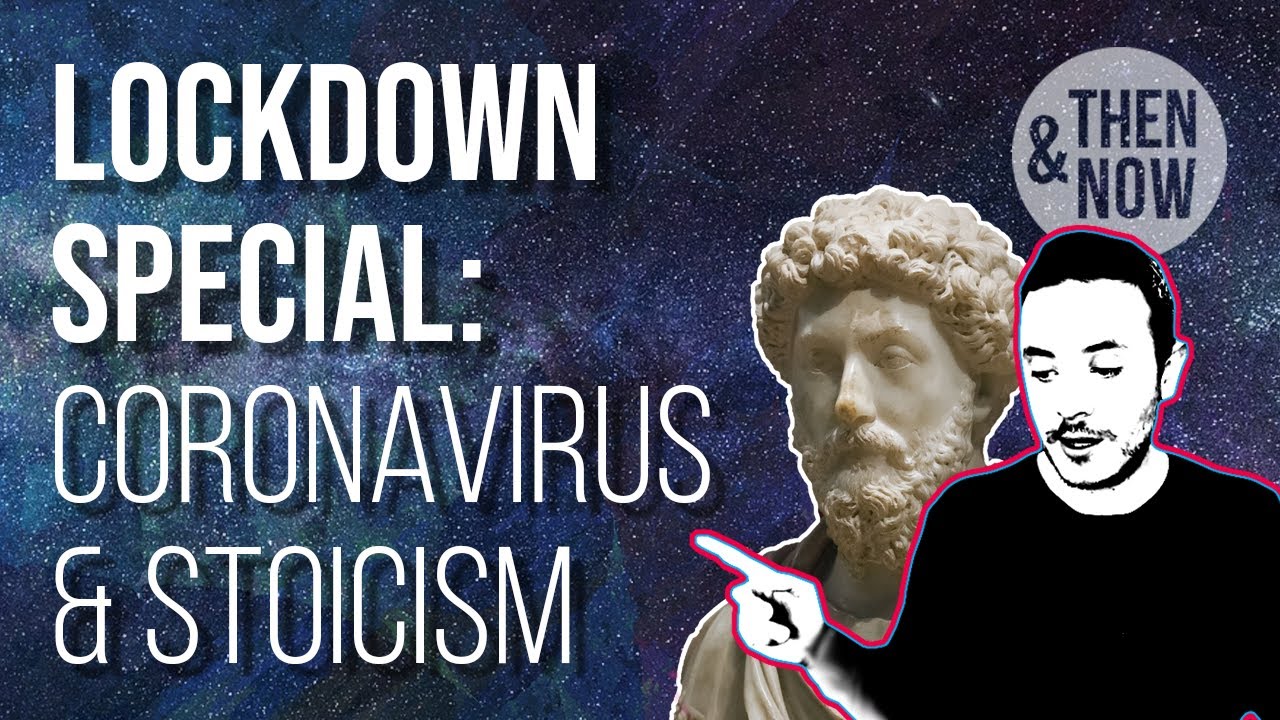
You’re probably already a stoic in someway. It’s part of our culture. Influenced by Socrates and emerging in Ancient Greece in the 3rd century BC, it’s a foundation of Christianity, is maybe the first psychology, contributed to the Renaissance and the Enlightenment, guided a Roman Emporer, and has become increasingly popular in recent years, through events like Stoicon, Annual Stoic Week, and a flurry of new of popular books and articles.
Could it really be a guide to the best possible life?
This introduction to Stoicism will mix two things: what the Stoics of Ancient Greece and Rome actually said – the original doctrines – and how this might be interpreted and be useful today.
IN the first part, I’ll look at the Ancient Stoics – Marcus Aurelius (Meditations), Epictetus (Discourses), Seneca, and Zeno; and in the second part, I’ll look at Stoicism in practice, especially through William Irvine’s A Guide to the Good Life: The Ancient Art of Stoic Joy.
The Greek Stoics divided Stoicism into three parts: logic, physics, and ethics. None of these terms, though, meant what they do today.
Logic was formal logic, but also rhetoric, language, poetry
Physics mostly meant the study of God and the world – essentially how things work.
They also broke all of this into two parts: theory and practice
Philosophy, importantly, needed to both studied and practiced, learned and executed. Exercises, reflection, and self-improvement were fundamental.
Then & Now is FANFUNDED! Support me on Patreon and pledge as little as $1 per video
Or send me a one-off tip of any amount and help me make more videos:
Buy on Amazon through this link to support the channel:
Follow me on:
Sources:
William B. Irvine, A Guide to the Good Life: The Ancient Art of Stoic Joy
John Sellars, Stoicism
Bertrand Russell, History of Western Philosophy
Stoicism: A Very Short Introduction
Marcus Aurelius, Meditations
Epictetus, Handbook & Discourses
Michael Sugrue, Lecture,
Sentinel Indexing in Progress
Metadata and chapters are available. Claim extraction for this episode is pending.
All video content is delivered via YouTube embedded players in accordance with the YouTube Terms of Service. Sentinel provides research tools that promote discovery and accountability across political media.