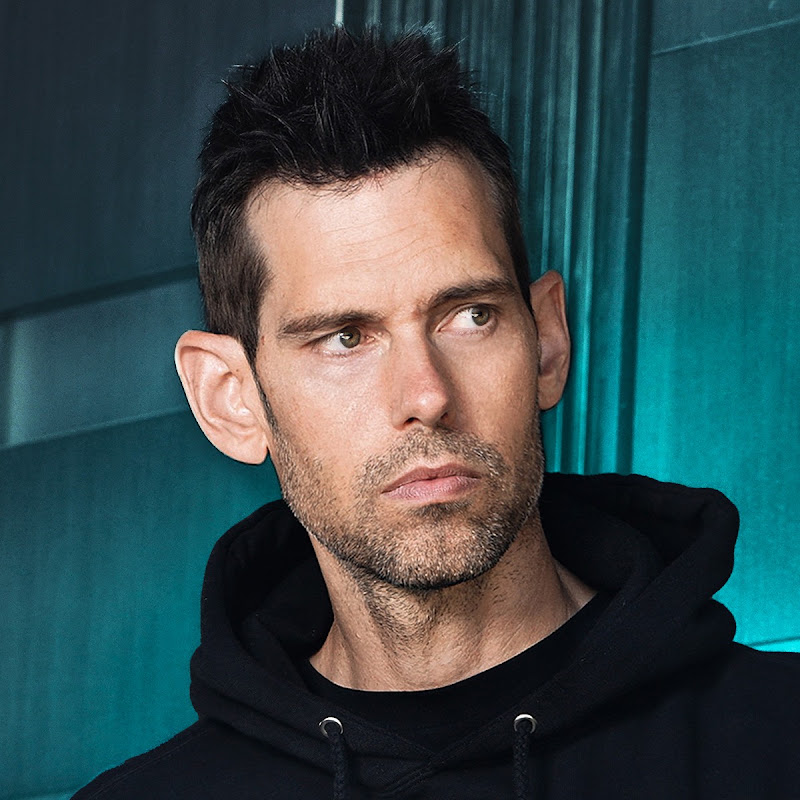
Tom Bilyeu
@tombilyeu·4.6M subscribers·1.9K videos
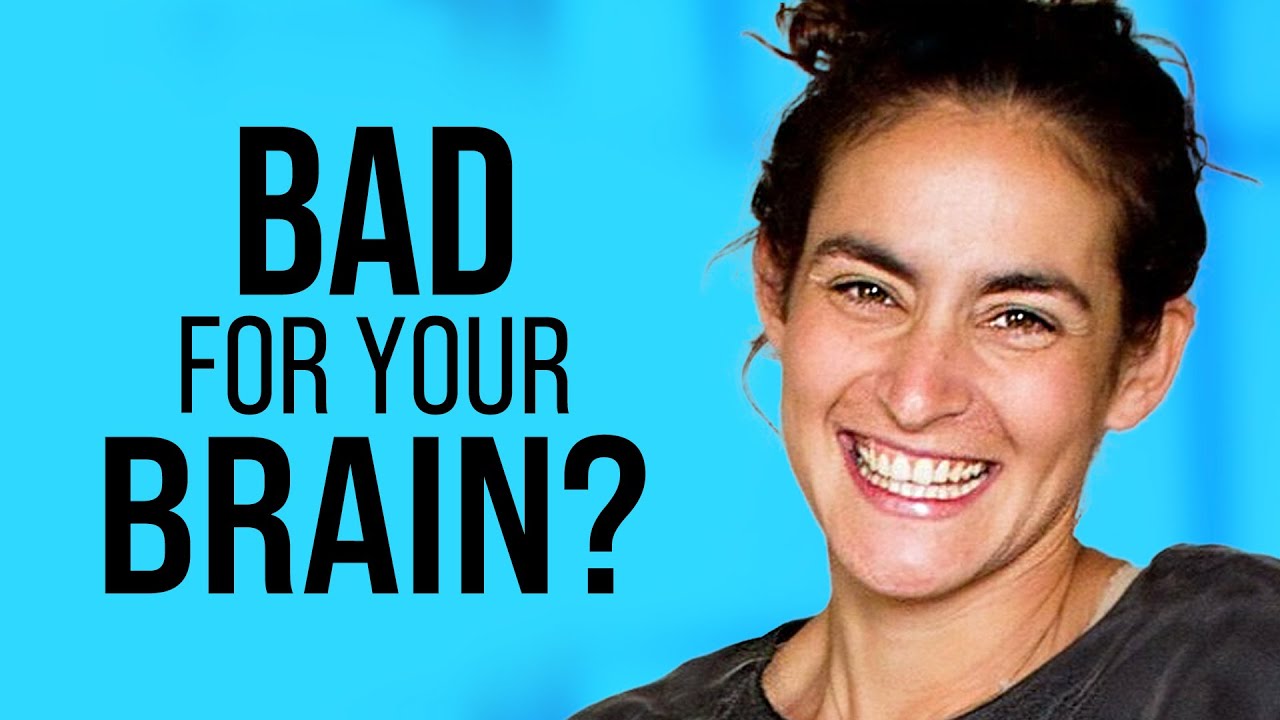
Neuroscientist Explains How Your Brain Is Affected by Fear, Isolation & Anxiety | Moriel Zelikowsky
Posted
August 11, 2020
Views
125,115
Likes
3,267
Comments
339
Engagement
August 11, 2020
125,115
3,267
339
2.88%
Every word spoken in this episode is indexed. Type any phrase to jump straight to the moment it was said.
Type any word or phrase that may have been spoken. Click a result to seek the player to that exact moment.
Try a name, a topic, or a quoted line
 31:49Now Playing
Neuroscientist Moriel Zelikowsky studies the neural mechanisms underlying stress, fear, and social behavior. On this episode of Impact Theory with Tom Bilyeu, she discusses her own research into how extreme social isolation affects mice and humans. She talks about what drew her to the science of emotions, why fear is adaptive, and presents some surprising reasons to question the general advice that PTSD sufferers should join support groups.
SHOW NOTES:
Moriel discusses what drew her to the science of emotions [0:35]
Moriel right now is working on social isolation and how it affects the brain [3:39]
Violence happens often after social isolation in mice [6:33]
Fear becomes much more persistent after isolation [7:57]
Social isolation hijacks systems that normally produce positive results [12:01]
For mice, two weeks of social isolation is long enough to cause severe consequences [14:46]
To what degree does social media mitigate or exacerbate social isolation? [16:08]
Moriel discusses the most recent research on fear and where it’s located in the brain [18:18]
Moriel explains why fear is adaptive and helpful [20:25]
Moriel details how general anxiety disorder builds on itself [24:05]
The most common therapy for PTSD is some form of exposure therapy [26:15]
Moriel describes an experiment on PTSD with truly surprising results [28:27]
QUOTES:
“Everywhere you look, you can see that fear would be adaptive.” [21:16]
FOLLOW:
LAB WEBSITE
Sentinel Indexing in Progress
Metadata and chapters are available. Claim extraction for this episode is pending.
All video content is delivered via YouTube embedded players in accordance with the YouTube Terms of Service. Sentinel provides research tools that promote discovery and accountability across political media.