United States Institute of Peace
@unitedstatesinstituteofpeace·110K subscribers·2.2K videos
The Future of the Pakistan-U.S. Relationship Between Now and 2014
Posted
February 11, 2013
Views
2,994
Likes
6
Comments
1
February 11, 2013
2,994
6
1
0.23%
Every word spoken in this episode is indexed. Type any phrase to jump straight to the moment it was said.
Type any word or phrase that may have been spoken. Click a result to seek the player to that exact moment.
Try a name, a topic, or a quoted line
 1:26:48Now Playing
Date: November 28, 2012
As we approach the 2014 transition in Afghanistan, the role of regional neighbors in contributing to and/or undermining transition processes becomes more important than ever before. Pakistan's outlook regarding the "end game" in Afghanistan, and the dynamics of the Pakistan-U.S. relationship, remain crucial in this regard. The steadily deteriorating Pakistan-U.S. relationship during the past two years has been very detrimental to the collaboration needed for both sides to come up with a more convergent vision for the "end game" in Afghanistan. The state of the Pakistan-U.S. relationship over the next two years will be a critical factor in determining Pakistan's role in the 2014 transition in Afghanistan. Both sides must improve ties despite a deep lack of trust and the negative political and public opinion they face in each other's capitals.
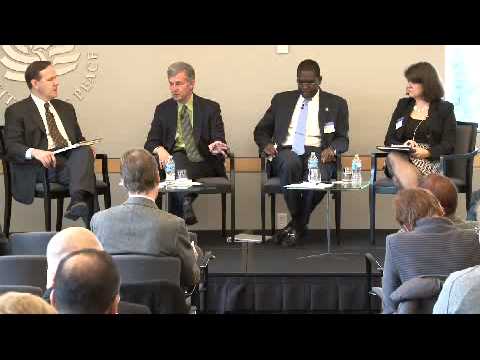
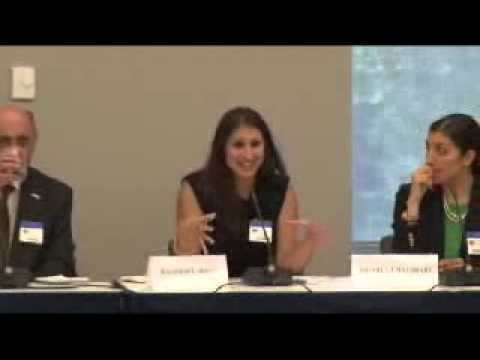
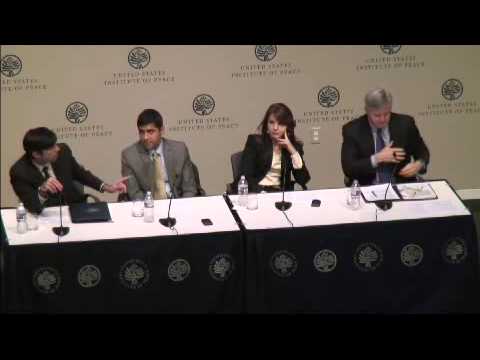
USIP hosted a panel discussion on the near to medium term future of the Pakistan-U.S. relationship. Panelists examined whether the U.S. outlook towards Pakistan is likely to change in President Obama's second term and if so, how? What will be the pros and cons of the likely policy shift? What are the expectations from both sides going forward?
More details
Speakers
Sajit Gandhi, Panelist
Democratic Professional Staff Member
House Committee on Foreign Affairs
Simbal Khan, Panelist
Pakistan Scholar, Asia Program
The Woodrow Wilson Center
Michael Phelan, Panelist
Senior Professional Staff Member
Senate Committee on Foreign Relations
Moeed Yusuf, Moderator
South Asia Advisor
United States Institute of Peace
Date: November 28, 2012
As we approach the 2014 transition in Afghanistan, the role of regional neighbors in contributing to and/or undermining transition processes becomes more important than ever before. Pakistan's outlook regarding the "end game" in Afghanistan, and the dynamics of the Pakistan-U.S. relationship, remain crucial in this regard. The steadily deteriorating Pakistan-U.S. relationship during the past two years has been very detrimental to the collaboration needed for both sides to come up with a more convergent vision for the "end game" in Afghanistan. The state of the Pakistan-U.S. relationship over the next two years will be a critical factor in determining Pakistan's role in the 2014 transition in Afghanistan. Both sides must improve ties despite a deep lack of trust and the negative political and public opinion they face in each other's capitals.
USIP hosted a panel discussion on the near to medium term future of the Pakistan-U.S. relationship. Panelists examined whether the U.S. outlook towards Pakistan is likely to change in President Obama's second term and if so, how? What will be the pros and cons of the likely policy shift? What are the expectations from both sides going forward?
More details
Speakers
Sajit Gandhi, Panelist
Democratic Professional Staff Member
House Committee on Foreign Affairs
Simbal Khan, Panelist
Pakistan Scholar, Asia Program
The Woodrow Wilson Center
Michael Phelan, Panelist
Senior Professional Staff Member
Senate Committee on Foreign Relations
Moeed Yusuf, Moderator
South Asia Advisor
United States Institute of Peace
Sentinel Indexing in Progress
Metadata and chapters are available. Claim extraction for this episode is pending.
All video content is delivered via YouTube embedded players in accordance with the YouTube Terms of Service. Sentinel provides research tools that promote discovery and accountability across political media.