United States Institute of Peace
@unitedstatesinstituteofpeace·110K subscribers·2.2K videos
Current Challenges to Christian-Muslim Relations in Egypt
Posted
June 24, 2013
Views
6,790
Likes
58
Comments
11
June 24, 2013
6,790
58
11
1.02%
Every word spoken in this episode is indexed. Type any phrase to jump straight to the moment it was said.
Type any word or phrase that may have been spoken. Click a result to seek the player to that exact moment.
Try a name, a topic, or a quoted line
 1:35:00Now Playing
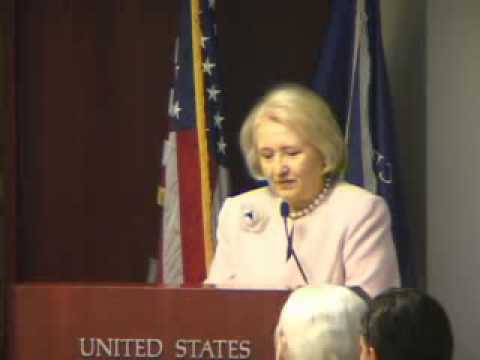
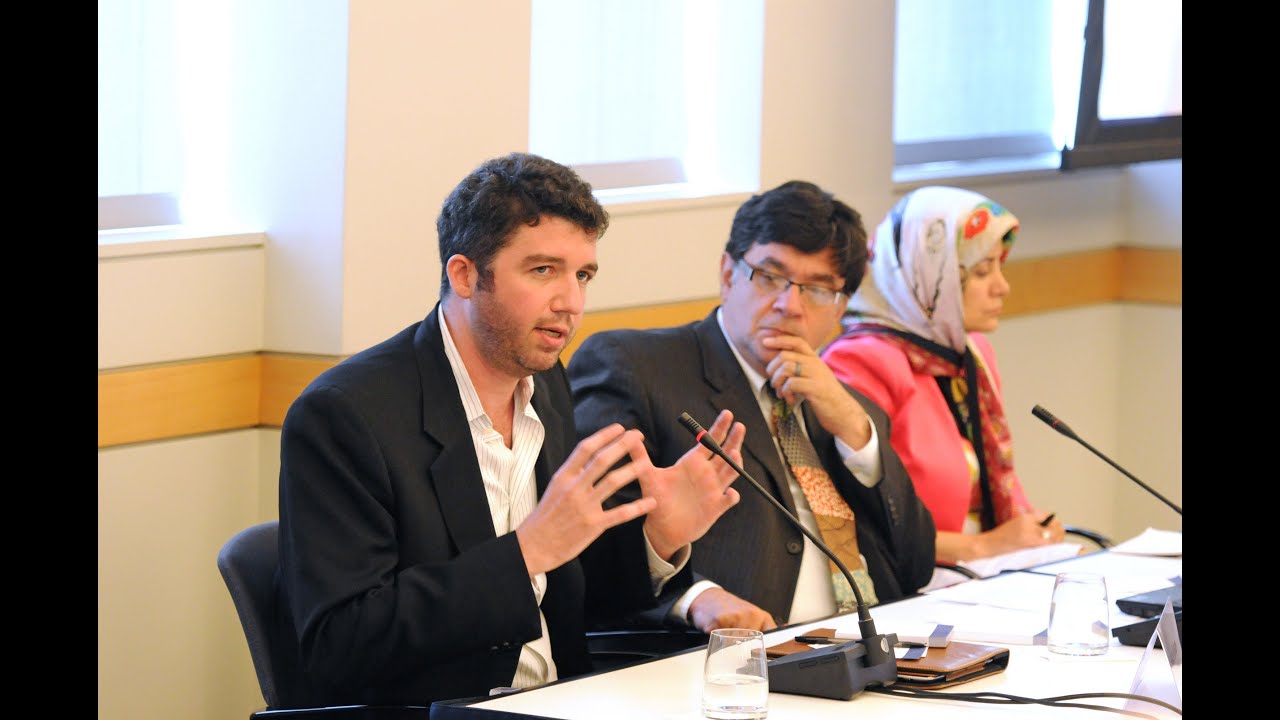
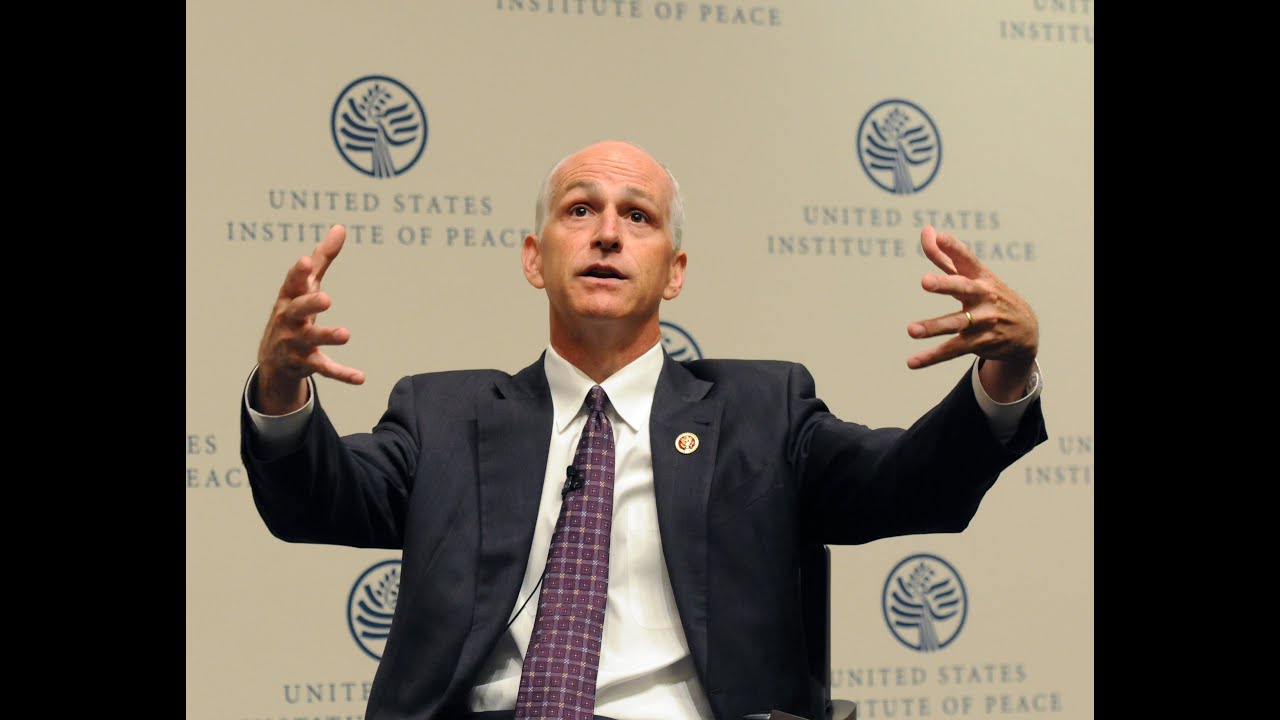
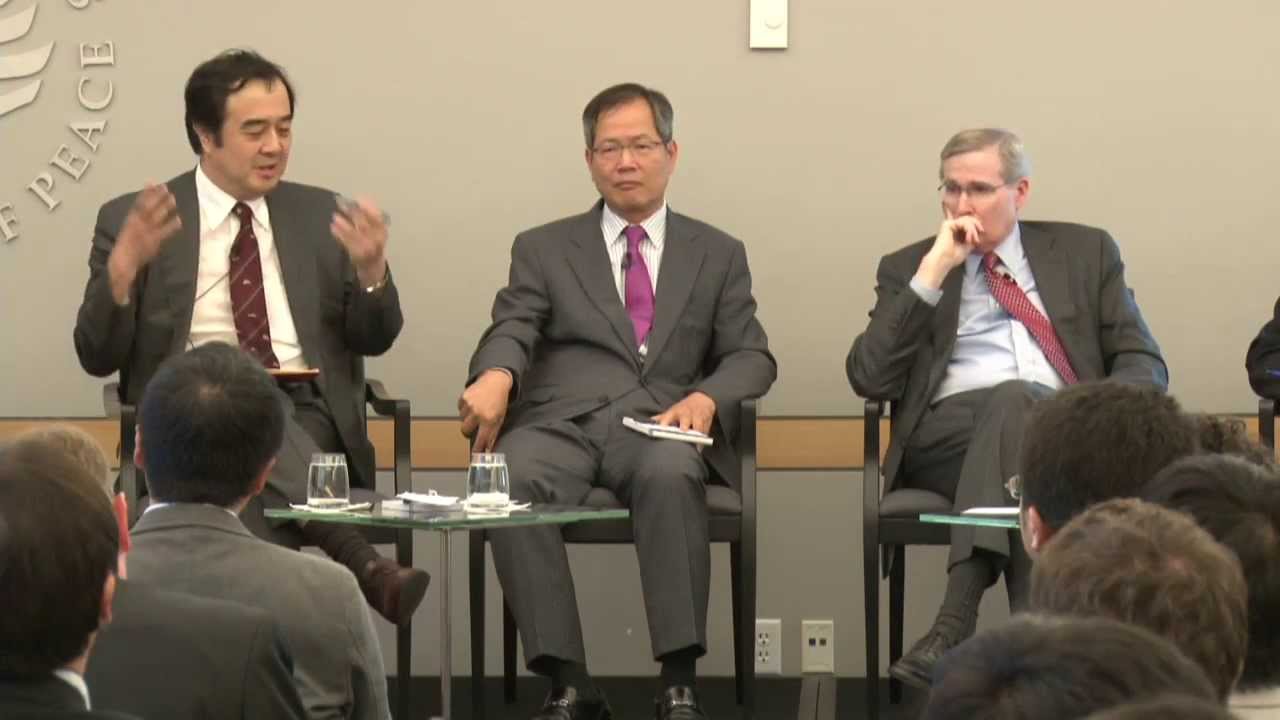
On Friday, June 14, two Egyptian religious leaders, Grand Mufti Mohamed Ali Goma'a and Bishop Mouneer Hanna Anis, discussed the challenges their communities face in the democratic transition of their state.
After decades of authoritarian rule, Egypt's transition to democracy is tackled incredible challenges including political, social and economic reform, infrastructural development, and the ongoing religious sectarianism. During Hosni Mubarak's rule, Christian-Muslim relationships could be described as passively tolerant for the sake of maintaining national unity and harmony.However, since the revolution and the election of the President Morsi and the Muslim Brotherhood party, extremist narratives have surfaced causing conflicts between Muslims and Christians.What challenges do religious leaders and their communities face in the current democratic transition? What steps have religious leaders taken to curtail extremist narratives?
These questions were addressed during an event, held on Friday, June 14, 2013 from 10am-12pm, with the following discussants:
Dr. Mohamed Ali Goma'a, Discussant
Grand Mufti, Egypt
Dr. Mouneer Hanna Anis, Discussant
Anglican Bishop, Egypt
Dr. Qamar-ul Huda, Moderator
Religion and Peacemaking Program, U.S. Institute of Peace
For more information about this event, visit
Sentinel Indexing in Progress
Metadata and chapters are available. Claim extraction for this episode is pending.
All video content is delivered via YouTube embedded players in accordance with the YouTube Terms of Service. Sentinel provides research tools that promote discovery and accountability across political media.