United States Institute of Peace
@unitedstatesinstituteofpeace·110K subscribers·2.2K videos
Real Politics of Iran: Views from Within
Posted
July 18, 2013
Views
1,400
Likes
2
Engagement
0.14%
July 18, 2013
1,400
2
0.14%
Every word spoken in this episode is indexed. Type any phrase to jump straight to the moment it was said.
Type any word or phrase that may have been spoken. Click a result to seek the player to that exact moment.
Try a name, a topic, or a quoted line
 1:52:06Now Playing
Iran's June 14, 2013 presidential election produced a result that surprised many Iran watchers: a first round win for Hassan Rouhani. A long-time regime stalwart who favors a political opening at home and abroad, his election may signal the return of a more contentious politics—one that could limit the growing influence of the security apparatus or create space for a more productive Western-Iranian dialogue.
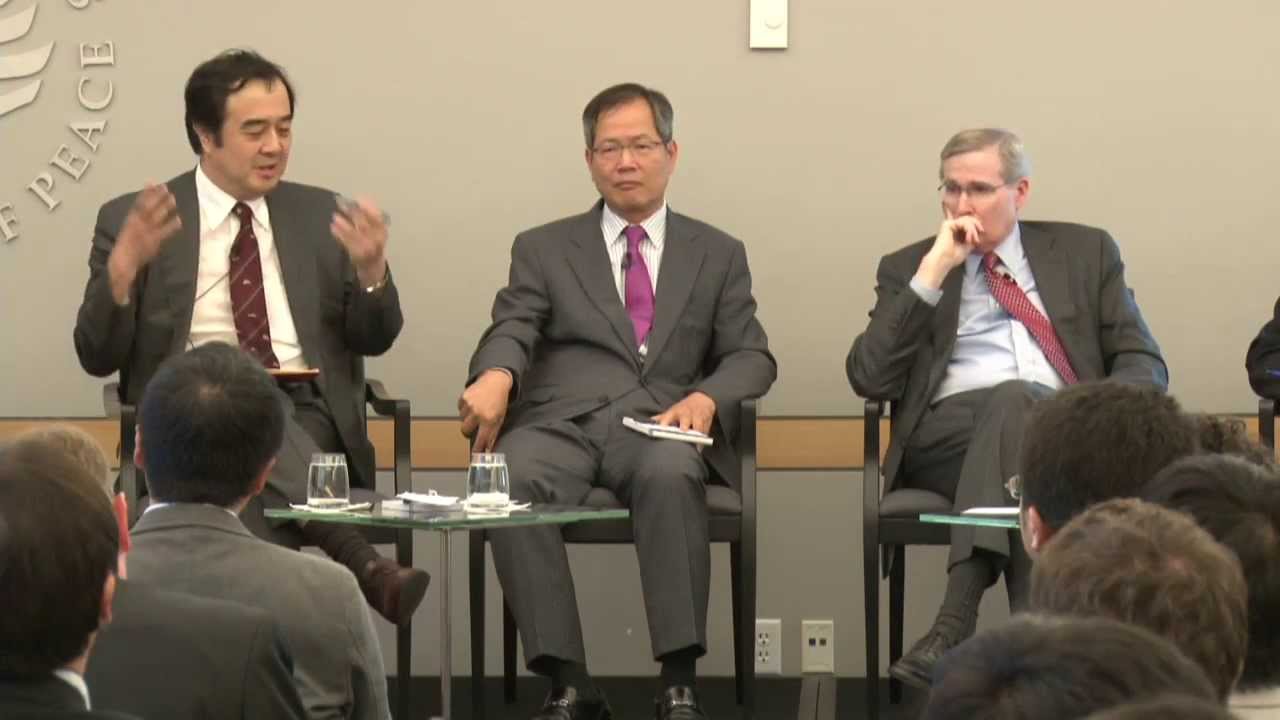
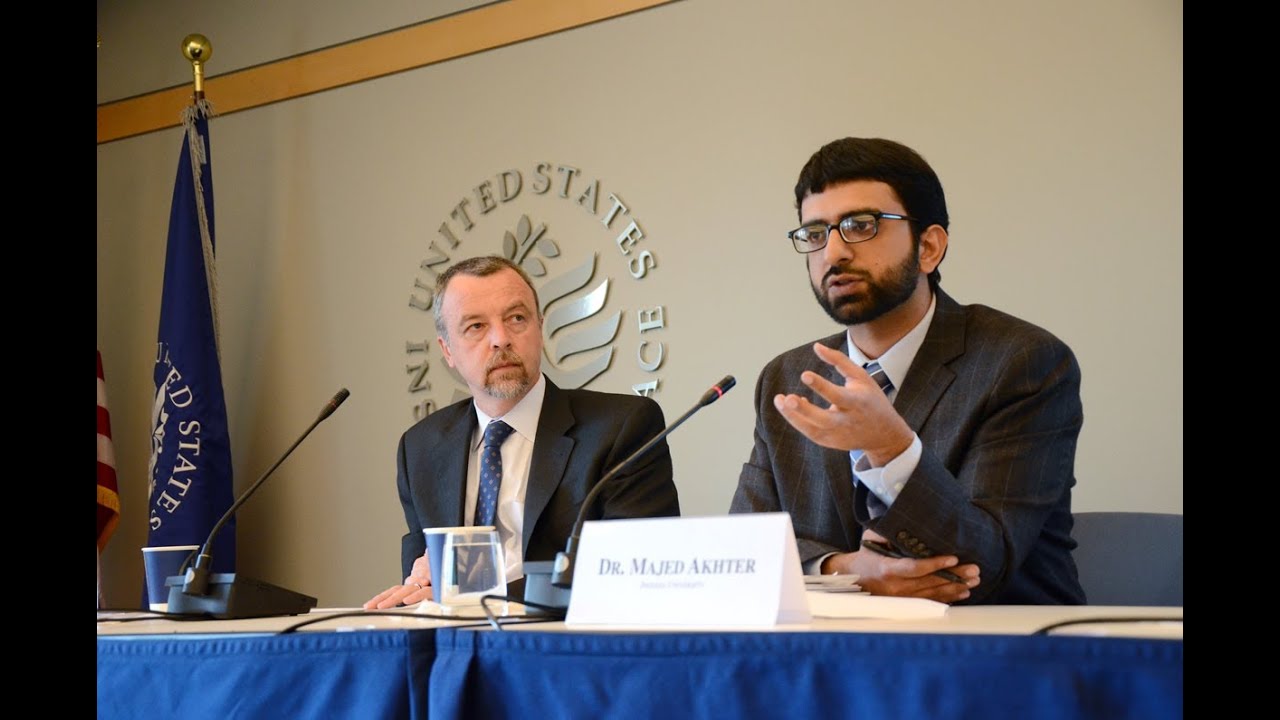
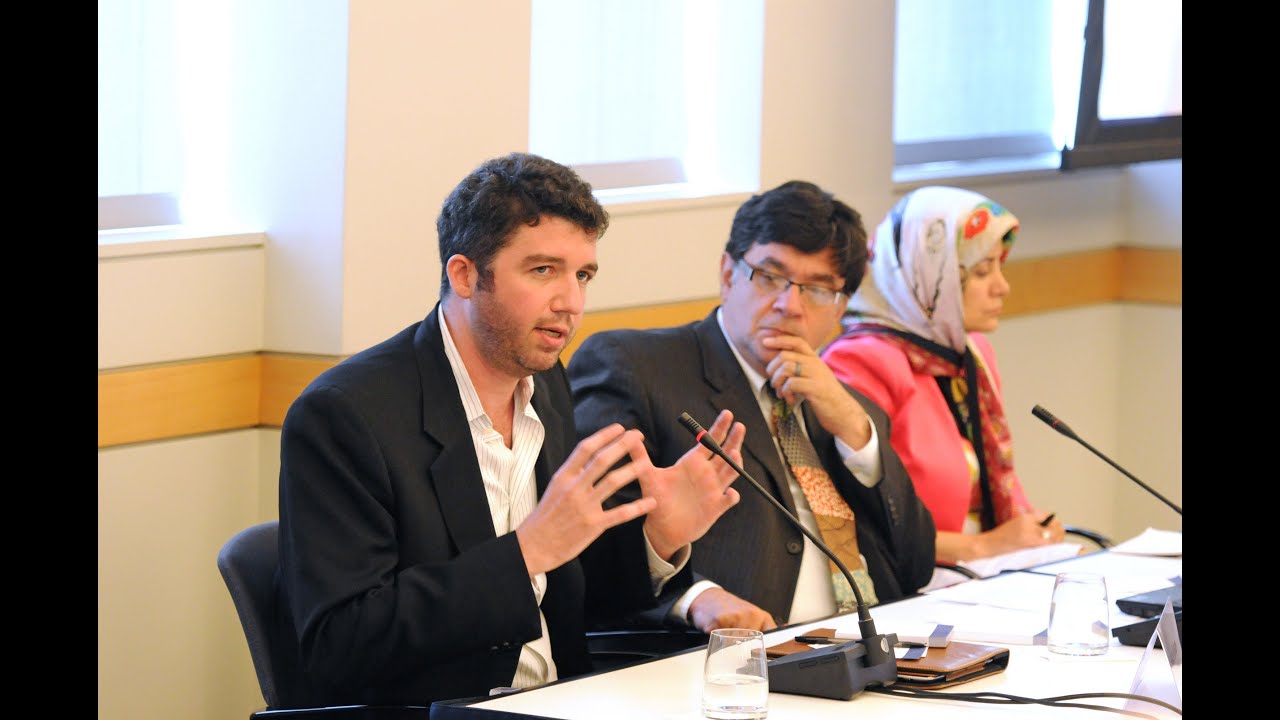
To probe the implications of these changes for Iran's internal politics and its foreign relations, on July 15 the United States Institute of Peace hosted three distinguished Iran analysts, one of which had just returned from Iran. Drawn from USIP's Iran Study Group, they highlighted a range of dynamics in the universities, opposition, the economy and even the security apparatus that often escape the foreign headlines. Daniel Brumberg, Senior Program Officer on Iran and North Africa at USIP, chaired this timely discussion.
For more details about this event, visit
Speakers Included:
Fatemeh Haghighatjoo, Discussant
President & Chief Executive Officer, Nonviolent Initiative for Democracy
Kevan Harris, Discussant
Postdoctoral Research Associate, Princeton University
Farzan Sabet, Discussant
Doctoral Student, Graduate Institute of International and Development Studies
Daniel Brumberg, Moderator
Senior Program Officer on Iran and North Africa, U.S. Institute of Peace
Sentinel Indexing in Progress
Metadata and chapters are available. Claim extraction for this episode is pending.
All video content is delivered via YouTube embedded players in accordance with the YouTube Terms of Service. Sentinel provides research tools that promote discovery and accountability across political media.