United States Institute of Peace
@unitedstatesinstituteofpeace·110K subscribers·2.2K videos
Vanishing Media Freedoms Across South Asia
Posted
December 15, 2020
Views
2,432
Likes
21
Comments
1
Engagement
December 15, 2020
2,432
21
1
0.90%
Every word spoken in this episode is indexed. Type any phrase to jump straight to the moment it was said.
Type any word or phrase that may have been spoken. Click a result to seek the player to that exact moment.
Try a name, a topic, or a quoted line
 1:30:25Now Playing
Across South Asia, an already challenging climate for free media appears to have further deteriorated in the past year. The 2020 World Press Freedom Index has seen India, Pakistan, Bangladesh, and Sri Lanka slip down the annual rankings, with all four South Asian countries in the bottom third worldwide. The challenges to free media in South Asia are myriad—particularly threats to journalists’ safety and freedom, repressive actions and overt censorship by governments, unravelling business models, and a chaotic online environment. In many cases, the coronavirus pandemic has exacerbated the threats that journalists and media outlets face as economic pressures have intensified and governments seek to further restrict media freedoms.
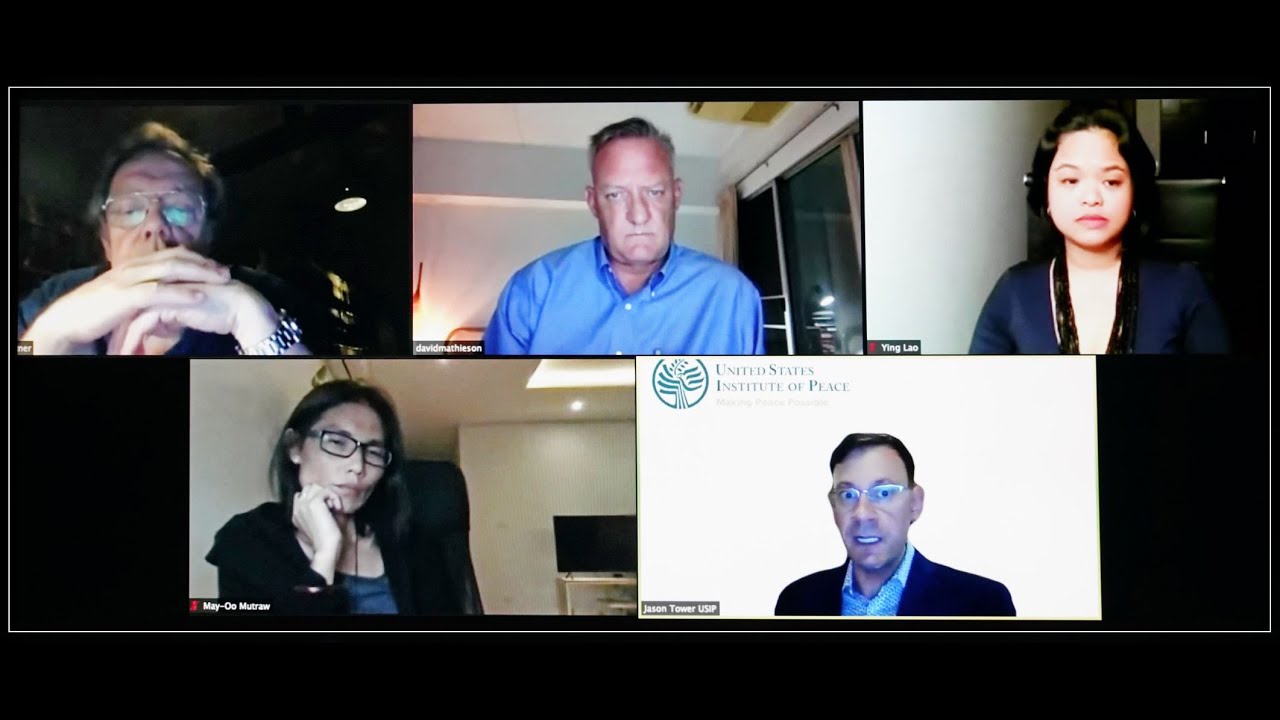
On December 15, USIP hosted distinguished journalists from the region to shed light on the challenges of the past year, share personal insights from the ground, and discuss what we can expect from South Asian governments and media outlets going forward.
For more information about this event, please visit
Speakers:
Tamanna Salikuddin
Director, South Asia, U.S. Institute of Peace
Shahidul Alam
Managing Director, Drik Picture Library Ltd. (Bangladesh)
Dilrukshi Handunnetti
Executive Director, Center for Investigative Reporting (Sri Lanka)
Siddharth Varadarajan
Founding Editor, The Wire (India)
Cyril Almeida
Visiting Senior Expert, U.S. Institute of Peace
Former Assistant Editor, Dawn Newspaper (Pakistan)
Connect with us!
Subscribe to our YouTube channel
Newsletters
The United States Institute of Peace is a national, nonpartisan, independent institute, founded by Congress and dedicated to the proposition that a world without violent conflict is possible, practical, and essential for U.S. and global security. In conflict zones abroad, the Institute works with local partners to prevent, mitigate, and resolve violent conflict. To reduce future crises and the need for costly interventions, USIP works with governments and civil societies to help their countries solve their own problems peacefully. The Institute provides expertise, training, analysis, and support to those who are working to build a more peaceful, inclusive world.
Sentinel Indexing in Progress
Metadata and chapters are available. Claim extraction for this episode is pending.
All video content is delivered via YouTube embedded players in accordance with the YouTube Terms of Service. Sentinel provides research tools that promote discovery and accountability across political media.