United States Institute of Peace
@unitedstatesinstituteofpeace·110K subscribers·2.2K videos
Gender Dynamics in Conflict-Affected Middle East and North African Countries (Arabic)
Posted
March 11, 2021
Views
1,746
Likes
20
Comments
2
March 11, 2021
1,746
20
2
1.26%
Every word spoken in this episode is indexed. Type any phrase to jump straight to the moment it was said.
Type any word or phrase that may have been spoken. Click a result to seek the player to that exact moment.
Try a name, a topic, or a quoted line
 1:27:29Now Playing
When conflicts erupt in the Middle East and North Africa (MENA) region, women are often affected first and worst. Child marriages, sexual slavery, domestic violence, and other attacks on women’s mobility, agency, and voices are the result of militarized masculinities. Understanding the distinct effects of violent conflict on women is critical for designing effective peacebuilding approaches and ensuring greater gender equality and protection for women and girls.
The Middle East and North Africa region is currently enduring instability, festering civil wars, and increasing poverty—all of which are causing massive displacement and migration with untold damage to lives, livelihoods, and physical infrastructure. In a region marked by poor governance records and inequality, the burden on the already huge gender gap is further impacted, particularly in fragile and conflict-ridden countries.
To make any gains towards improving the situation for women and girls in conflict and post-conflict zones, the peacebuilding field, policymakers, NGOs, and the international community should come together to reflect on the lessons learned thus far when it comes to protecting and building the resilience of women, both during and after war.
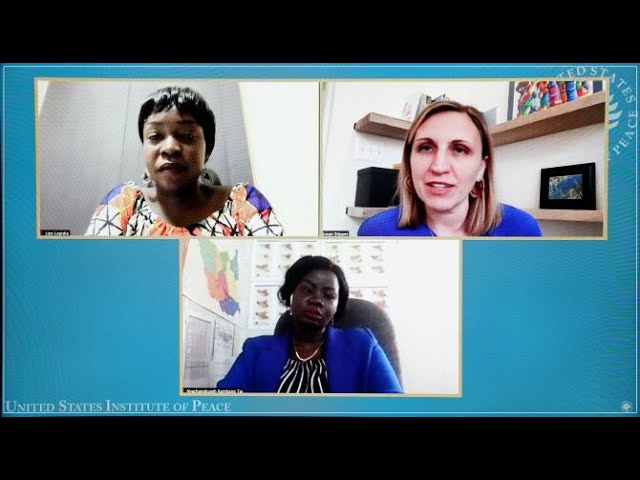
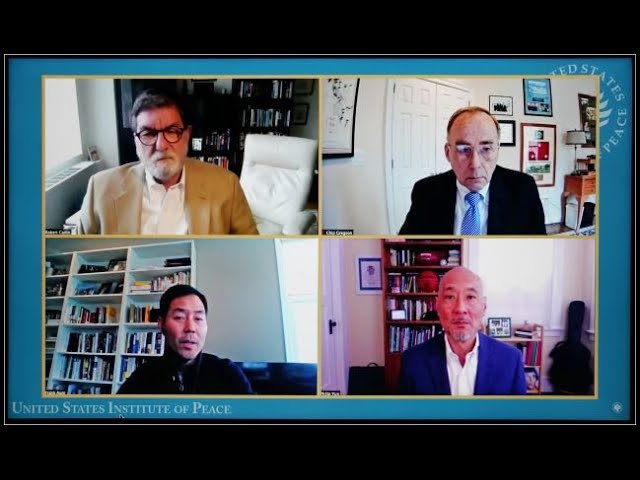
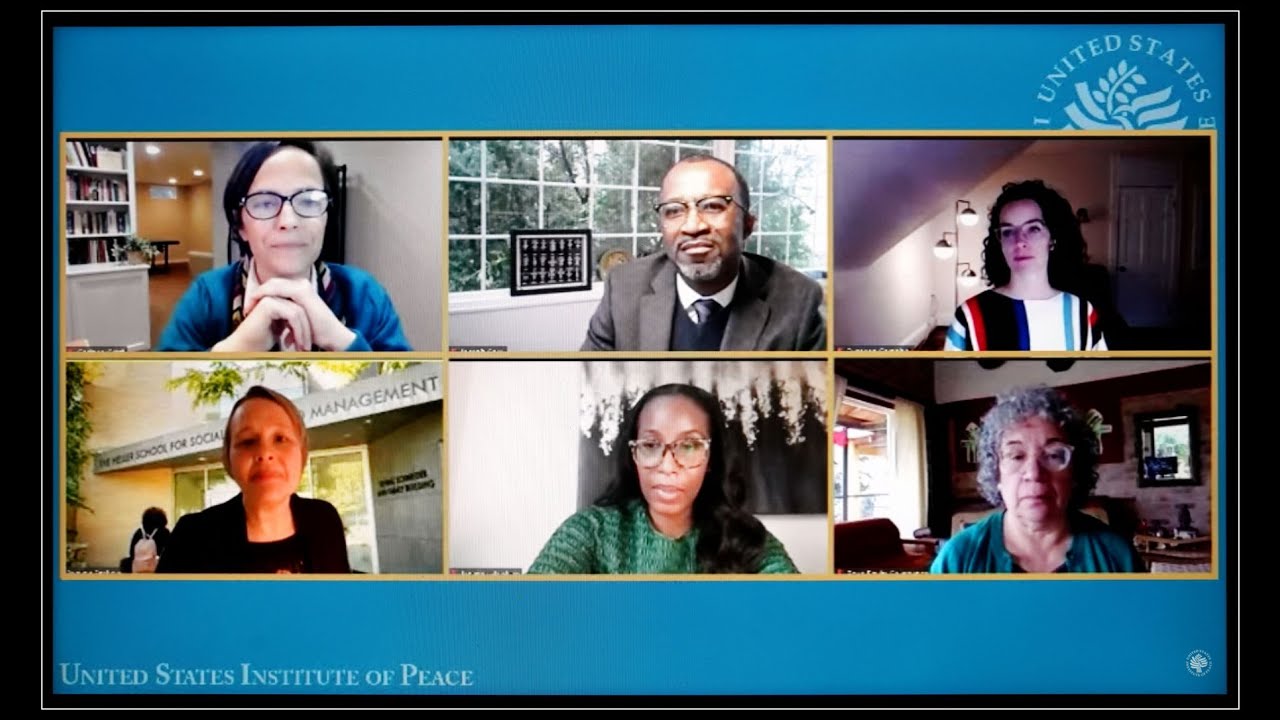
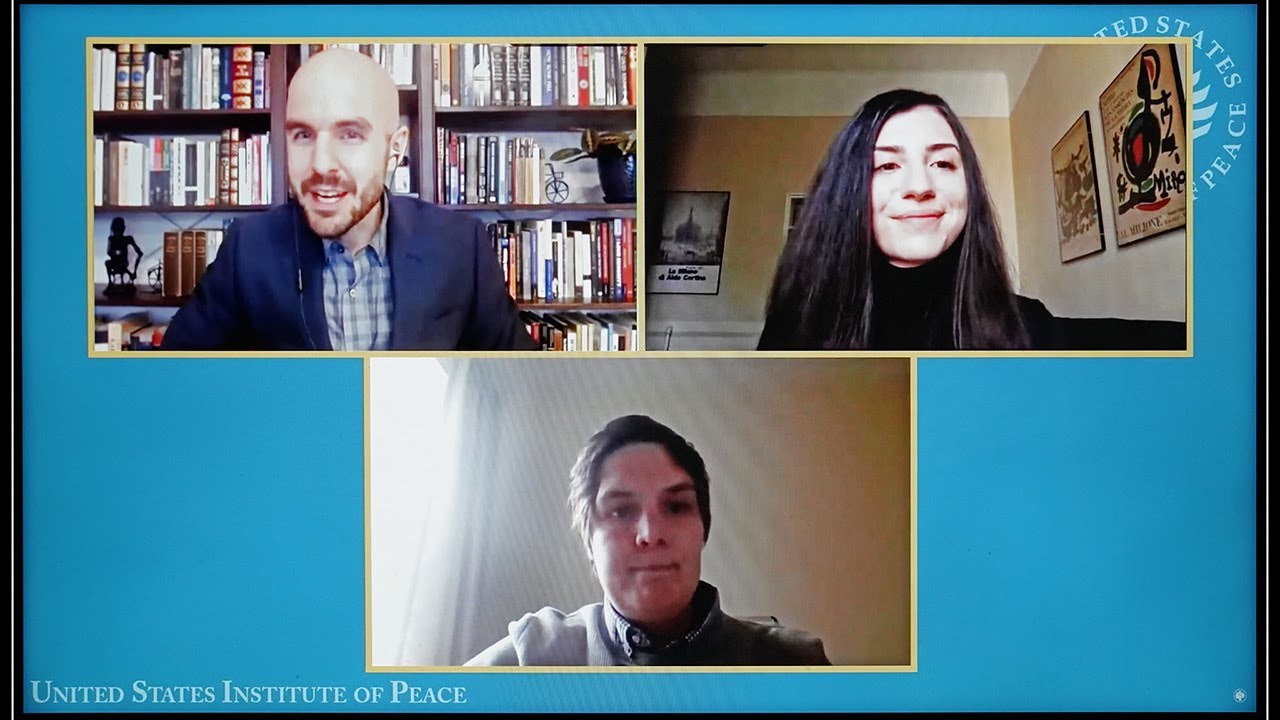
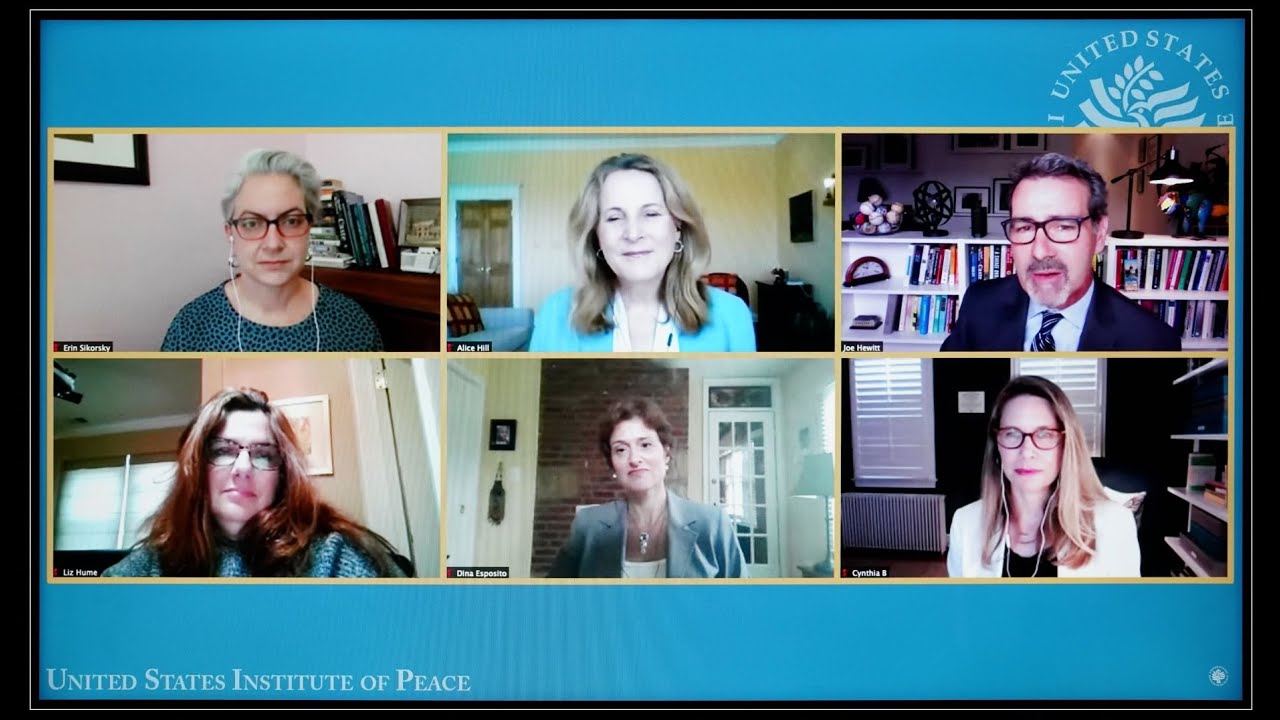
On March 11, USIP and American University in the Emirates hosted a virtual discussion that aimed to better understand gender dynamics in conflict by convening experts in the field and sharing the lessons learned from initiatives that build the resilience of women during war and throughout post-war recovery.
Please noteThis event is also available in English
Speakers:
Muthanna Abdul Razzaq, opening remarks
President and CEO, American University in the Emirates
Dr. Elie Abouaoun
Director, Middle East and North Africa Programs, U.S. Institute of Peace
Susan Aref
Director and Founder, Women Empowerment Organization (Iraq)
Mehrinaz El Awady
Director of Gender Justice, Population, and Inclusive Development, U.N. Economics and Social Commission for West Asia
Kathleen Kuehnast
Director, Gender Policy and Strategy, U.S. Institute of Peace
Valentine M. Moghadam
Professor of Sociology and International Affairs, Northeastern University
Nahla Yassine-Hamdan
Assistant Professor, College of Security and Global Studies, American University in the Emirates
Lina Beydoun, moderator
Director of Development, American University of Cairo (AUC)
Connect with us!
Subscribe to our YouTube channel
Newsletters
The United States Institute of Peace is a national, nonpartisan, independent institute, founded by Congress and dedicated to the proposition that a world without violent conflict is possible, practical, and essential for U.S. and global security. In conflict zones abroad, the Institute works with local partners to prevent, mitigate, and resolve violent conflict. To reduce future crises and the need for costly interventions, USIP works with governments and civil societies to help their countries solve their own problems peacefully. The Institute provides expertise, training, analysis, and support to those who are working to build a more peaceful, inclusive world.
Sentinel Indexing in Progress
Metadata and chapters are available. Claim extraction for this episode is pending.
All video content is delivered via YouTube embedded players in accordance with the YouTube Terms of Service. Sentinel provides research tools that promote discovery and accountability across political media.