United States Institute of Peace
@unitedstatesinstituteofpeace·110K subscribers·2.2K videos
Libyan General Elections 2021: Discussion Series with Libyan Leaders - Fadel Lamen (Arabic)
Posted
December 13, 2021
Views
1,091
Likes
11
Comments
3
December 13, 2021
1,091
11
3
1.28%
Every word spoken in this episode is indexed. Type any phrase to jump straight to the moment it was said.
Type any word or phrase that may have been spoken. Click a result to seek the player to that exact moment.
Try a name, a topic, or a quoted line
 1:00:28Now Playing
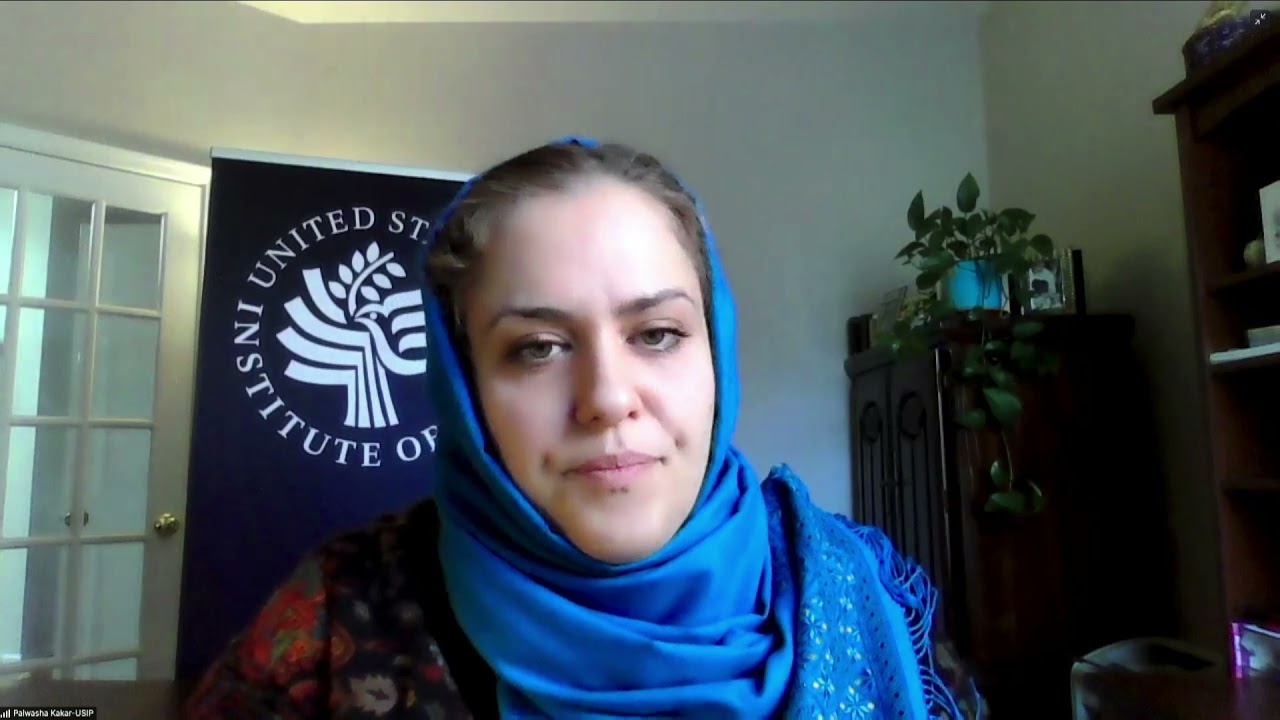
A Conversation with Fadel Lamen
Following a decade of war and rifts in Libya, a U.N.-facilitated dialogue led to the formation of the Government of National Unity (GNU) in March 2021. The GNU has been tasked with leading the country toward long-awaited presidential and parliamentary elections commencing this December — elections that are crucial to Libya’s transition and could facilitate further governmental unification, community reconciliation, economic recovery and the basis for rule of law and good governance.
While the GNU has taken significant steps to arrange elections, it still faces numerous challenges related to the presence of external military powers, conflicting interests among Libyan politicians and armed groups, economic and health problems, and sporadic violence. Libyan leaders that view the elections as a means for change in the country and as a path toward a representative political system face complex impediments that require a consultative and inclusive approach that fosters long-term stability and security in Libya.
Join USIP for the second in a series of public discussions with Libyan leaders connected to the elections scheduled in the coming months. These events will dive into complex questions regarding efforts to prevent electoral violence, the electoral process itself and leaders’ visions for restoring peace and stability in Libya.
This second event will feature Fadel Lamen, who most recently served as director-general of the Libyan National Economic and Social Development Board. He is the founder of Afaak Al-Watan, a new Libyan political party with a future-focused agenda aiming to empower youth and women as critical contributors. Lamen is also an architect of the Libyan Political Agreement, which is currently governing Libya’s transition under U.N. Security Council resolutions.
Speakers:
Fadel Lamen
Founder, Afaak Al-Watan
Mike Yaffe, moderator
Vice President, Middle East and North Africa Center, U.S. Institute of Peace
For more information about this event, please visit
Connect with us!
Subscribe to our YouTube channel
Newsletters
The United States Institute of Peace is a national, nonpartisan, independent institute, founded by Congress and dedicated to the proposition that a world without violent conflict is possible, practical and essential for U.S. and global security. In conflict zones abroad, the Institute works with local partners to prevent, mitigate, and resolve violent conflict. To reduce future crises and the need for costly interventions, USIP works with governments and civil societies to build local capacities to manage conflict peacefully. The Institute pursues its mission by linking research, policy, training, analysis and direct action to support those who are working to build a more peaceful, inclusive world. Learn more about USIP
Sentinel Indexing in Progress
Metadata and chapters are available. Claim extraction for this episode is pending.
All video content is delivered via YouTube embedded players in accordance with the YouTube Terms of Service. Sentinel provides research tools that promote discovery and accountability across political media.