
An Uncertain Future for Myanmar's Refugees
December 11, 2014
50,789
423
39
0.91%
Search the Record
IndexedEvery word spoken in this episode is indexed. Type any phrase to jump straight to the moment it was said.
Type any word or phrase that may have been spoken. Click a result to seek the player to that exact moment.
Try a name, a topic, or a quoted line
Vice Episodes Around December 11, 2014
See what was published immediately before and after this episode.







YouTube Description
as posted by the channelSubscribe to VICE News here
In July, the Royal Thai Army announced plans to deport refugees back to Myanmar — formerly known as Burma — where, after 66 years of civil war, government forces and ethnic rebel groups are still fighting.
Today, around 130,000 refugees from the conflict live in Thailand, in 10 encampments along the border with Myanmar. The camps have been safe havens for generations of Burmese too afraid to return to their war-torn homeland. Many evacuees come from poverty-stricken areas, littered with land mines. In some cases, the areas have been staging grounds for armed resistance, and human rights activists say that mass repatriation could bring insecurity to the border region.
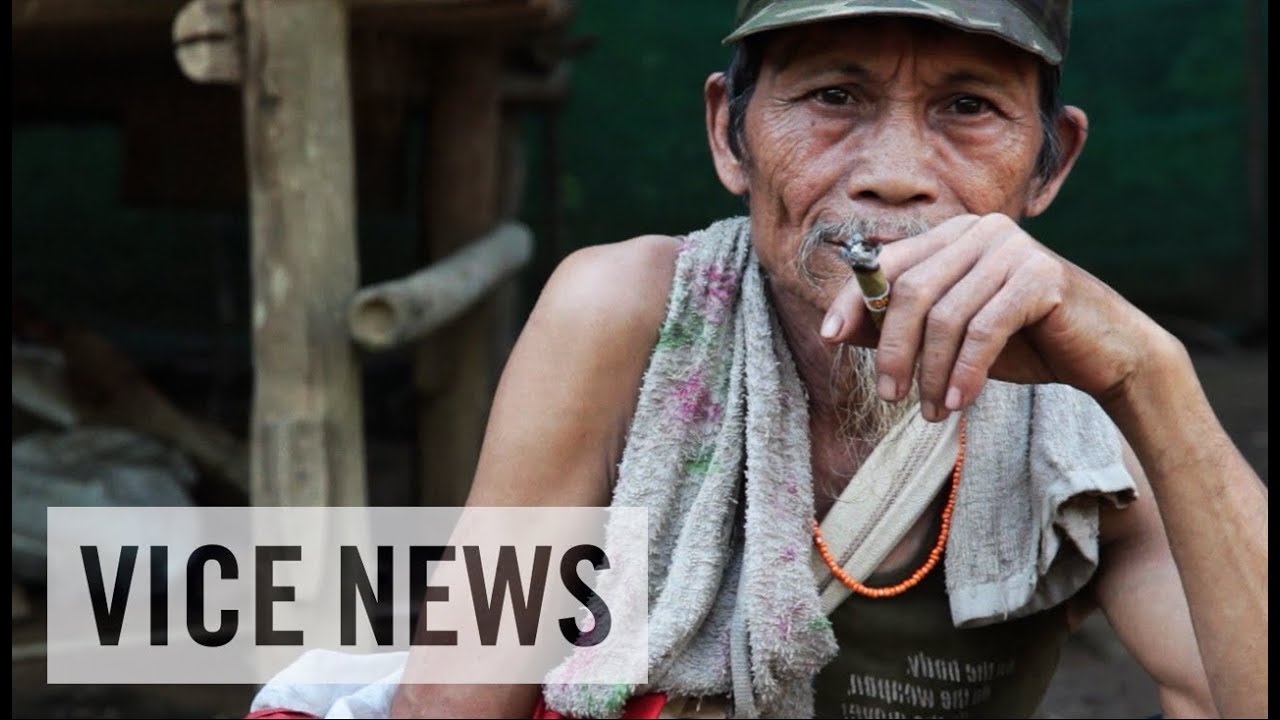
Though the refugee compounds are notoriously closed off, VICE News gained exclusive access to the Mae Ra Ma Luang camp. We spoke to evacuees about their life in the compounds, and what repatriation would mean for their livelihoods.
Read "'Do Whatever You Want to Civilians'Myanmar Military Accused of War Crimes on Eve of Obama Visit"
Read "Human Rights Abuses Rampant in Myanmar While Fair Elections Remain Elusive"
Watch "Turkey's Border War (Dispatch 4)"
Check out the VICE News beta for more
Follow VICE News here:
Guests & Subjects Covered
Sentinel Indexing in Progress
Metadata and chapters are available. Claim extraction for this episode is pending.
All video content is delivered via YouTube embedded players in accordance with the YouTube Terms of Service. Sentinel provides research tools that promote discovery and accountability across political media.