Big Think
@bigthink·8.8M subscribers·10.1K videos
A Doctor's Note: Don't Treat Friends | Atul Gawande | Big Think
Posted
April 24, 2012
Views
7,145
Likes
58
Comments
3
Engagement
0.85%
April 24, 2012
7,145
58
3
0.85%
Every word spoken in this episode is indexed. Type any phrase to jump straight to the moment it was said.
Type any word or phrase that may have been spoken. Click a result to seek the player to that exact moment.
Try a name, a topic, or a quoted line
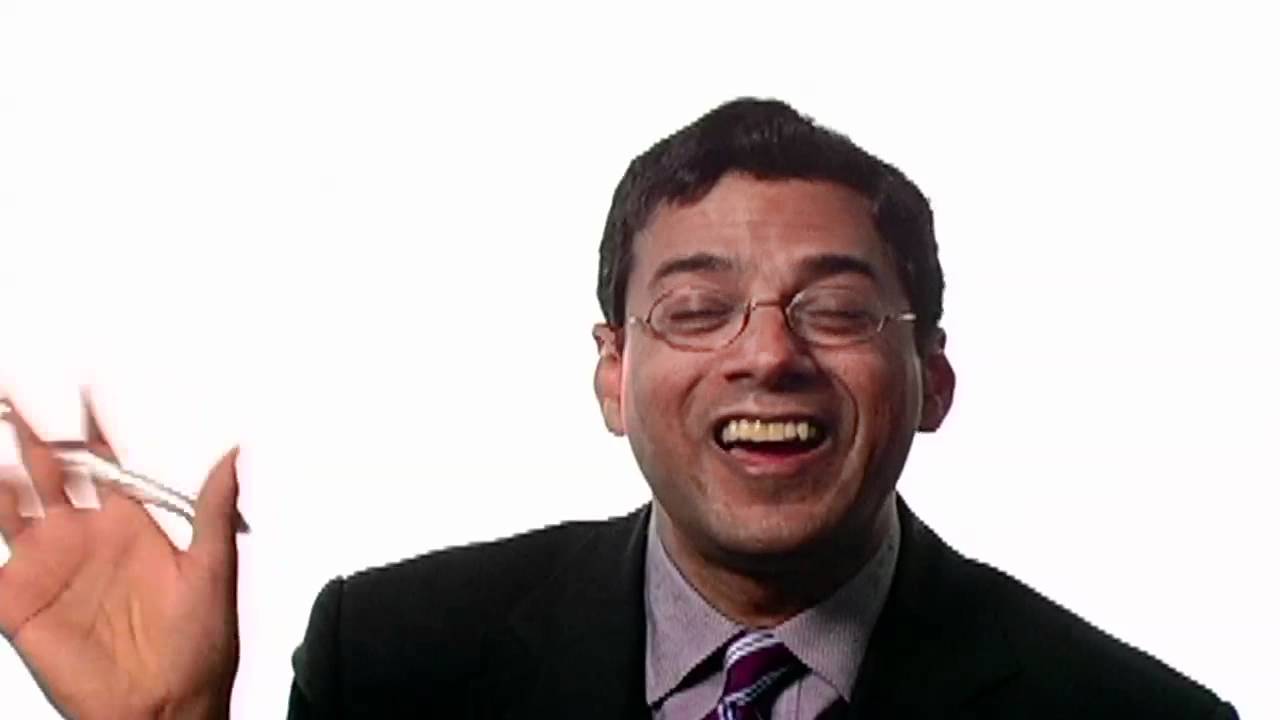 4:28Now Playing
A Doctor's Note: Don't Treat Friends
New videos DAILY
Join Big Think Edge for exclusive videos
----------------------------------------------------------------------------------
How does the dynamic change once a “friend” becomes a “patient”? Can small-talk exist with a person you’ve once cut open, or will they now awkwardly try to call you “doctor” and drop not-so-subtle questions about their health prospects?
----------------------------------------------------------------------------------
Atul Gawande:
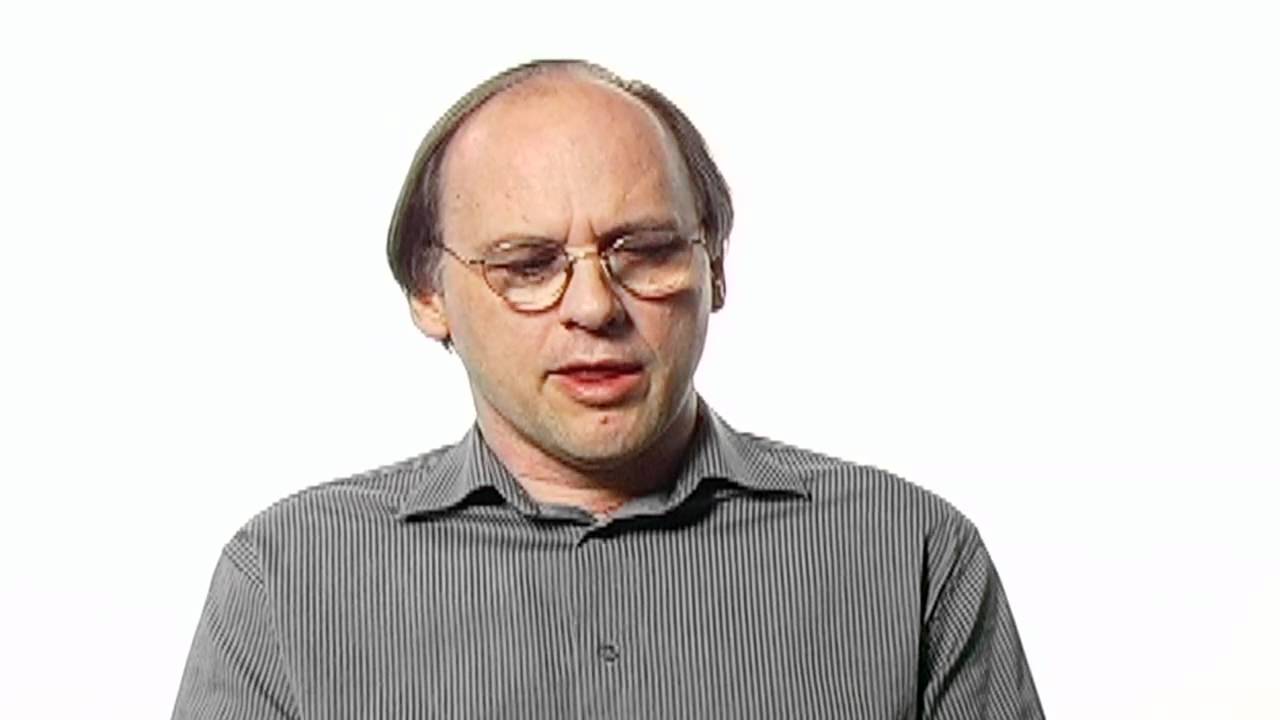
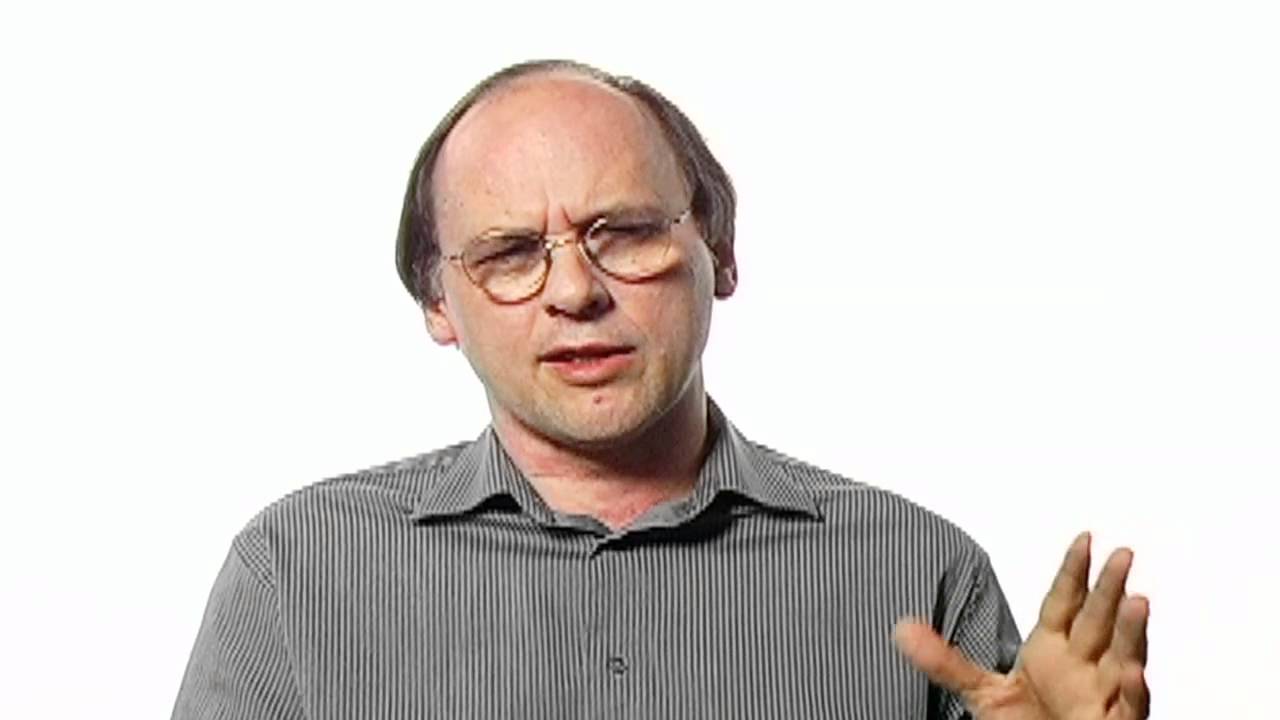
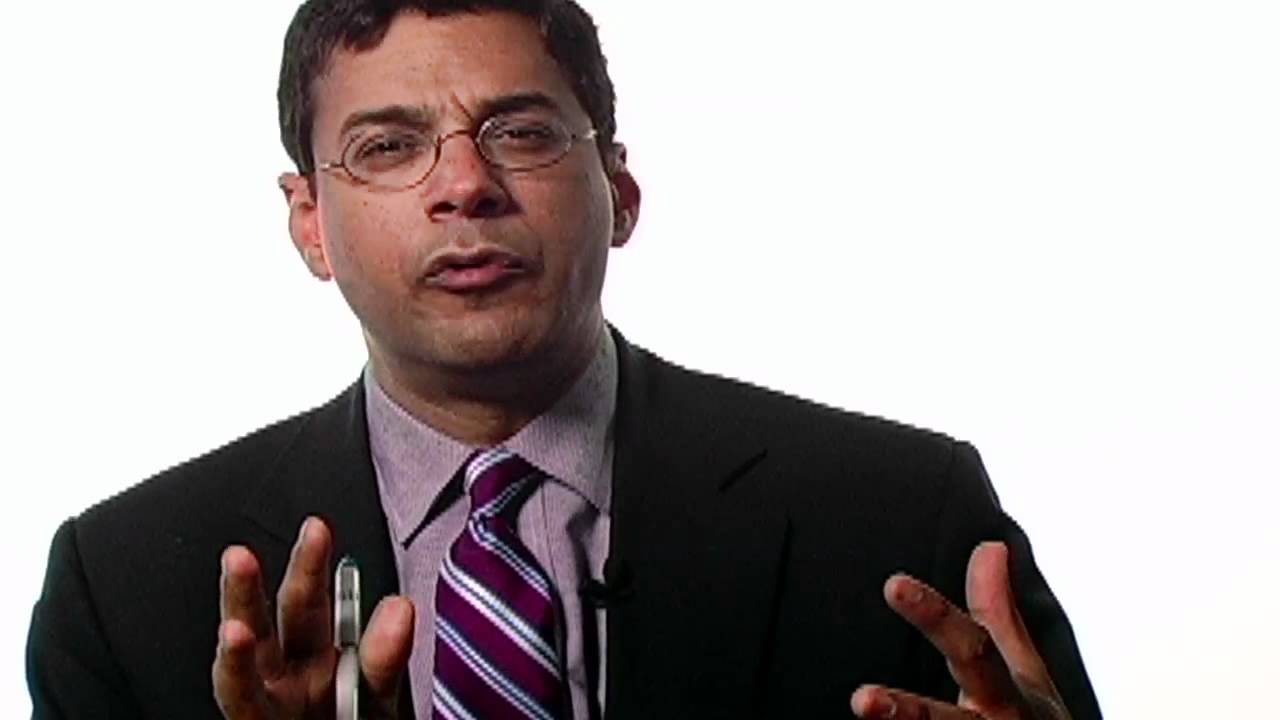
Atul Gawande is a general surgeon at Brigham and Women’s Hospital and, since 1998, a staff writer for The New Yorker. In 2006, he received the MacArthur Award for his research and writing. His book "Complications: A Surgeon’s Notes On An Imperfect Science" was a finalist for the National Book Award in 2002 and is published in more than a hundred countries. His newest book, "The Checklist Manifesto," is one of Amazon’s best books of the month: December 2009. He and his wife, Kathleen Hobson, live outside Boston and have three children: Walker, Hattie, and Hunter.
----------------------------------------------------------------------------------
TRANSCRIPT:
Question: Is it possible to maintain a normal friendship with somebody you’ve operated on?
Atul Gawande: Well, you're not really friends. And what's unusual is that I've even operated on some friends, and it's changed our relationship because they've gone from being friends to being friends I operated on, and I almost am their doctor now more than their friend. And it's different. You -- my father operated on folks in town and had an interesting perspective on this. Because we're from a small town, he usually knew people he was operating on, and he often found it odd to not know a person he was operating on. He liked it better when he knew because he felt more invested, even though he had complications and things go wrong like anybody else; whereas in a big city practice -- I’m in Boston -- you know, I always end up thinking twice. You know, one of my colleagues operated on his girlfriend's boyfriend -- I mean, sorry, his daughter's boyfriend. And it was -- you know, we all kind of scratched our heads, and he said, well, you know, who better to take a look at this guy? So I think there is a necessary, though, professional line where people are relying on you to be something more than a friend. They're relying on you to be a professional. And by being a professional, that means really thinking through how to do things optimally for them, give them their best chance, work with other people as a team, and that goes beyond what friendship requires. It's just different.
Question: How has it changed the nature of the friendship?
Atul Gawande: Well, in some ways it deepens it because you understand their issues. I'm a cancer surgeon; most of my -- I mean, I do general surgery, but most of the patients I take care of are cancer patients. And it changes it in the sense that -- well, let me put it this way: for example, I mean, I haven't ever operated on someone who's really my best friend, and I'm not sure I would do that. But folks who are friends, colleagues from work, for example, who are the same age as me, and we find, for example, that they're not sure what to call me any more. They always called me Atul before, and then they almost want to call me Dr. Gawande because they see me that way. And I would say to them, no, no, no; call me Atul. And it is that discomfort. You see them deciding, well, I won't call him anything. I'll just say hi. The friendship can become both deeper and yet a little more formal. We end up talking about, you know, life and death and their fears. Will this cancer come back is often very high in their minds. It makes it hard to just talk about, you know, boy, that movie Avatar was not that good, was it?
Question: Whom do you think the relationship changes more for, doctor or patient?
Read the full transcript at
Sentinel Indexing in Progress
Metadata and chapters are available. Claim extraction for this episode is pending.
All video content is delivered via YouTube embedded players in accordance with the YouTube Terms of Service. Sentinel provides research tools that promote discovery and accountability across political media.