Big Think
@bigthink·8.8M subscribers·10.1K videos
How to Not Punish Hospitals for Good Care | Atul Gawande | Big Think
Posted
April 24, 2012
Views
185
April 24, 2012
185
Every word spoken in this episode is indexed. Type any phrase to jump straight to the moment it was said.
Type any word or phrase that may have been spoken. Click a result to seek the player to that exact moment.
Try a name, a topic, or a quoted line
 8:48Now Playing
How to Not Punish Hospitals for Good Care
New videos DAILY
Join Big Think Edge for exclusive videos
----------------------------------------------------------------------------------
You can tell a system is broken when a prominent children’s hospital devises a system that reduces local asthma cases by 87%, but then has to cancel the program due to the lack of revenue from new and recurring patients. Can the current healthcare reform bill end this ridiculous approach?
----------------------------------------------------------------------------------
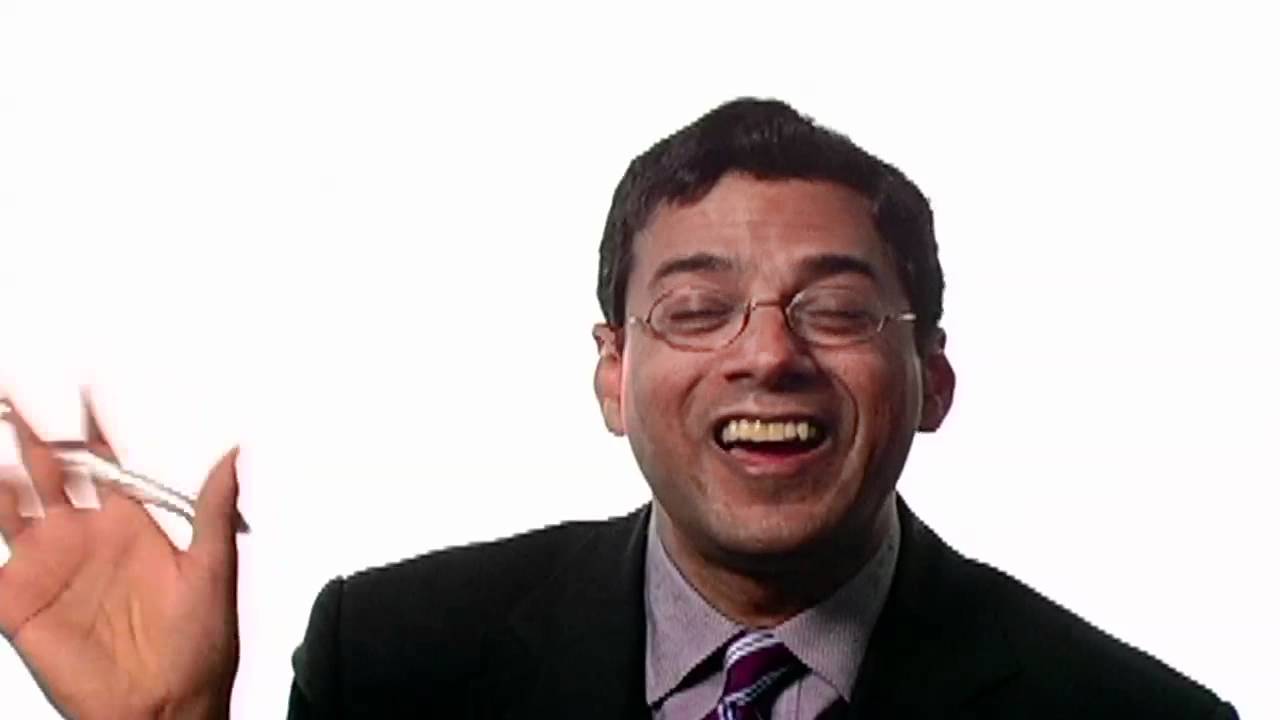
Atul Gawande:
Atul Gawande is a general surgeon at Brigham and Women’s Hospital and, since 1998, a staff writer for The New Yorker. In 2006, he received the MacArthur Award for his research and writing. His book "Complications: A Surgeon’s Notes On An Imperfect Science" was a finalist for the National Book Award in 2002 and is published in more than a hundred countries. His newest book, "The Checklist Manifesto," is one of Amazon’s best books of the month: December 2009. He and his wife, Kathleen Hobson, live outside Boston and have three children: Walker, Hattie, and Hunter.
----------------------------------------------------------------------------------
TRANSCRIPT:
Question: Is there enough room for medical experimentation in the current health reform bill?
Atul Gawande: Yes and no. So if this health reform bill goes through, and I think it's looking like every sign will, it is about health reform, but not reforming health care, which is what we really need; meaning redesigning health care to be better quality, better safety, lower cost, getting rid of wasted, unnecessary steps and moves and the harmful components of care. It has the experiments in it to be able to start having us try to innovate on that systems level. So when we've talked about innovation in medicine, what we've usually meant is, will there be a new drug? Will we have a cure for cancer? And we are on our way, with or without reform, to spending 18, 19, perhaps even 20 percent of our whole economy on health care. There's no shortage of money for those kinds of innovations, and I think those fields will prosper. But to take advantage of them and be sure we're using them in every community in the right way, at the right time, we have not been innovating. I think if health reform doesn't pass that we will be very slow to innovate.
But there are components in the health reform package that include innovations both at that front end, trying to design, say, the checklists for the right kind of care, and also on the incentives end. That is, one of the reasons we don't come up with these kinds of checklists is that hospitals and doctors don't do better financially when they put in these kinds of tools. For example, Children's Hospital in Boston came up with a checklist for asthma patients, children who are severely asthmatic enough to end up admitted to the hospital. And they recognized that a couple of components were key: making phone calls to the families to make sure the children were taking their inhalers, and having a look at their apartments to make sure that -- or homes -- to make sure that dust and mites were not a problem in the homes. By tackling just those two things, they reduced admissions for kids with asthma by 87 percent. But asthma was their number one admission to Children's Hospital. And the found this experiment lost them millions of dollars. And so they suddenly were face to face with, well, maybe we need to shut down this program in order to survive as a hospital. That's when you know there's just something wrong with the way we are designing our system.
And the reform bill -- we don't know what is the best way to pay that hospital so that it does the right thing, but we have some good ideas about the experiments to try. One is, for example, paying the doctors and hospital together, whether that kid is admitted to the hospital or not, so that they're on the same page about taking care of this kid with asthma. The kid with asthma might get -- I don't know; I'm pulling a number out of the hat -- $5,000 for that diagnosis and care in that year. And so let's simply give that money and then have them work to try to make the best of that financial situation, which I think leads -- can lead -- to better care.
Question: Is the Massachusetts health care system working?
Read the full transcript at
Sentinel Indexing in Progress
Metadata and chapters are available. Claim extraction for this episode is pending.
All video content is delivered via YouTube embedded players in accordance with the YouTube Terms of Service. Sentinel provides research tools that promote discovery and accountability across political media.