Big Think
@bigthink·8.8M subscribers·10.1K videos
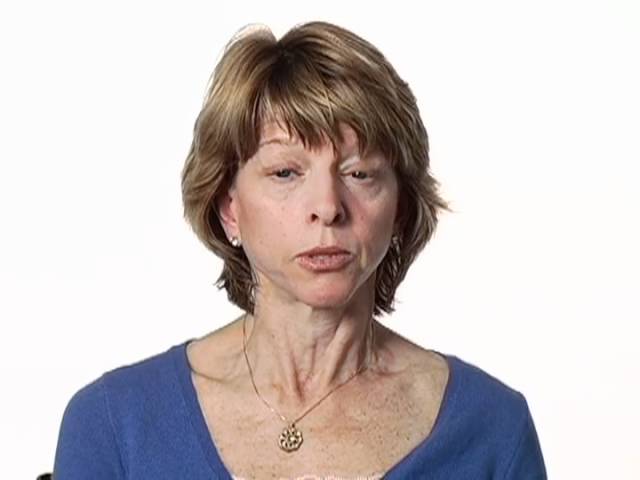
Azar Nafisi: What are the biggest misconceptions of the Muslim woman? | Big Think
Posted
April 24, 2012
Views
1,307
Likes
9
Comments
4
Engagement
0.99%
April 24, 2012
1,307
9
4
0.99%
Every word spoken in this episode is indexed. Type any phrase to jump straight to the moment it was said.
Type any word or phrase that may have been spoken. Click a result to seek the player to that exact moment.
Try a name, a topic, or a quoted line
See what was published immediately before and after this episode.
 3:03Now Playing
Azar Nafisi: What are the biggest misconceptions of the Muslim woman?
New videos DAILY
Join Big Think Edge for exclusive videos
----------------------------------------------------------------------------------
They aren’t identical, Nafisi says.
----------------------------------------------------------------------------------
Azar Nafisi:
Azar Nafisi is best known as the author of the national bestseller Reading Lolita in Tehran: A Memoir in Books, which electrified its readers with a compassionate and often harrowing portrait of the Islamic revolution in Iran and how it affected one university professor and her students. The book has spent over 117 weeks on the New York Times bestseller list. Azar Nafisi’s new book, Things I Have Been Silent About: Memories, a memoir about her mother, was published in January 2009.
Azar Nafisi is a Visiting Professor and the executive director of Cultural Conversations at the Foreign Policy Institute of Johns Hopkins University’s School of Advanced International Studies in Washington, DC, where she is a professor of aesthetics, culture, and literature, and teaches courses on the relation between culture and politics. Azar Nafisi held a fellowship at Oxford University, teaching and conducting a series of lectures on culture and the important role of Western literature and culture in Iran after the revolution in 1979. She has taught at the University of Tehran, the Free Islamic University and Allameh Tabatabaii.
----------------------------------------------------------------------------------
TRANSCRIPT:
Azar Nafisi: Well one thing about the world we live in today is that everything is simplified. I mean when I was . . . Before the Islamic Revolution, you never talked of all these countries that are as different from one another as Turkey, Pakistan, Iran, Malaysia. Indonesia has the largest Muslim population in the world. You did not lump them all together and reduce them all to one aspect of them, which is religion. Calling them the Muslim world – why don’t we call France, England, Germany, and United States the Christian world? I mean they have far more in common than Malaysia, and Iran, and Afghanistan do, you know? So that is one problem that I find to . . . And then you reduce a religion that is very different ...very, very strong believe . . . Muslim . . . strong Muslim women from Malaysia, for example, or Indonesia who never wear the veil, you know? So there are many interpretations of the religion. We have the Sufism, which is the gentlest of all Islamic interpretations. And the Sufis in Iran have been attacked, especially recently, very seriously. Their places . . . Their places of worship or where they gather have been demolished. They have been arrested. You know this is in an Islamic country. Nobody talks about that, you know? So that reductionism of the whole religion into one aspect of it, again, is what bothers me. And Muslim women have become the canaries in the mind. You want to know how people . . . how at least the political system thinks of freedom? Look at the situation of its women. So I think that it’s an exciting time for Muslim women because of the fact that they’re put in a position where they become the standards for freedom. And I . . . And unlike what people say sometimes, the critique of the way Muslim women are treated disempowers them. I think it is very empowering to think that just your body would change politics; that the way you look would mean that a political system exists or not. So that gives women a lot of power, and the men who are imposing these laws a great deal of vulnerability. You know so I think that women in Islam today . . . The way women in Iran are fighting, you know, they should be feeling empowered and they should ask for their rights. And they’re doing it in the Emirates and in other countries as well, you know?
Sentinel Indexing in Progress
Metadata and chapters are available. Claim extraction for this episode is pending.
All video content is delivered via YouTube embedded players in accordance with the YouTube Terms of Service. Sentinel provides research tools that promote discovery and accountability across political media.