Big Think
@bigthink·8.8M subscribers·10.1K videos
Big Think Interview With Jay Parkinson | Big Think
Posted
April 24, 2012
Views
222
Likes
1
Engagement
0.45%
April 24, 2012
222
1
0.45%
Every word spoken in this episode is indexed. Type any phrase to jump straight to the moment it was said.
Type any word or phrase that may have been spoken. Click a result to seek the player to that exact moment.
Try a name, a topic, or a quoted line
 17:56Now Playing
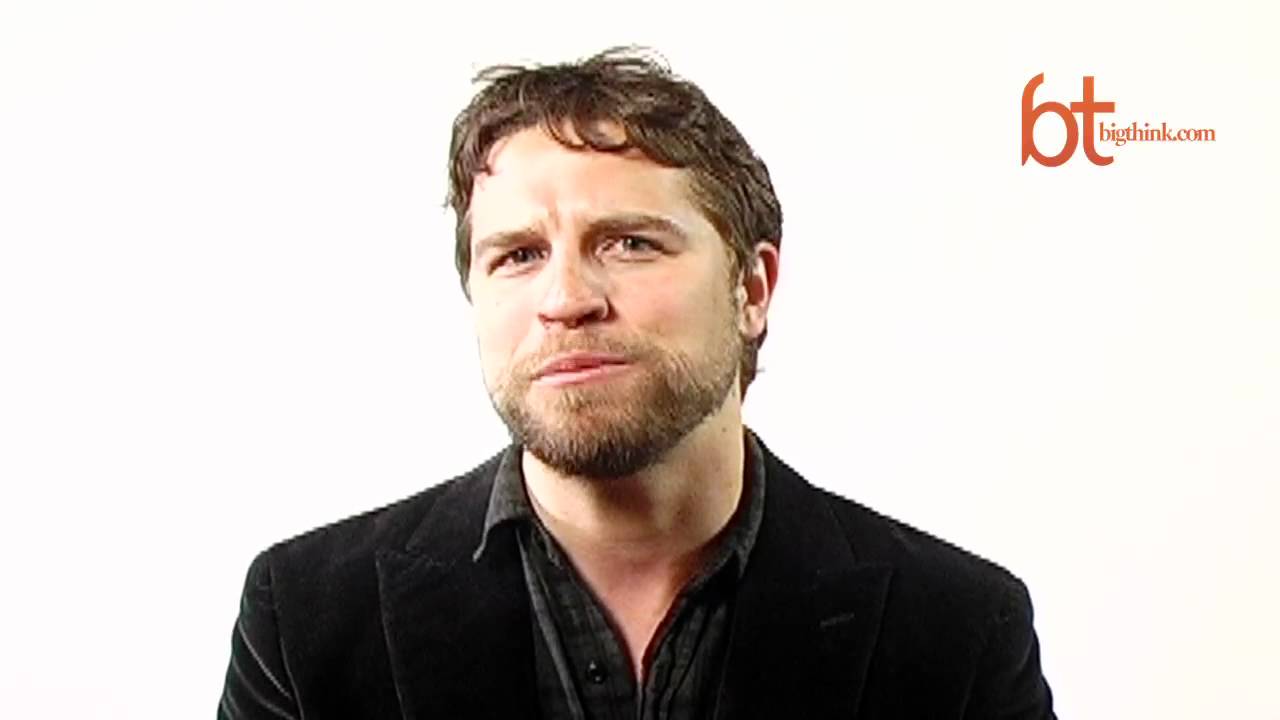
Big Think Interview With Jay Parkinson
New videos DAILY
Join Big Think Edge for exclusive videos
----------------------------------------------------------------------------------
A conversation with the co-founder of Hello Health.
----------------------------------------------------------------------------------
Jay Parkinson:
Jay Parkinson is a pediatrician and preventive medicine specialist with a master's degree in public health. Fast Company called him "The Doctor of the Future" and one of "The Top 10 Most Creative People in Health Care." Esquire Magazine calls him one of "2009's Best and Brightest Radicals & Rebels Who Are Changing the World."
----------------------------------------------------------------------------------
TRANSCRIPT:
Question: Describe therngenesis of the idea for Hello Health.
Jay Parkinson: When I finished residency at Hopkins, I really didn't know what I wasrnplanning on doing with my life. rnBut I knew that there were a ton of my friends who were photographers,rnlike myself, who didn't really have any sort of connection to the healthcarernsystem. So they would always sendrnme an email or an IM chat with some photo of some rash or something like thatrnthey they'd be like, "What's wrong with me?" And being the nice friend that I was, Irnwould reply with some advice, or you should just see the doctor or hang tightrnyou'll be fine. But then I justrnthought if I could do that for my friends, I think I could do that for myrnneighborhood. So, that's whatrnreally gave me the idea. Justrnknowing that we are all sort of communicating differently as a culture now,rnespecially millennials and Gen Xer's, I just figured why not tailor a practicernin Waynesburg Brooklyn that makes internet communication with house calls andrnPayPal?
Question: How did yournexecute on that idea?
Jay Parkinson: I just designed my own website that had a different promise. And that promise was I'm a new kind ofrndoctor. You can communicate withrnme the way you communicate with your friends. And that to me was just sort of the beginning of everything,rnand it just had a little button that said "Make an Appointment," andrnthat would bring up my Goggle Calendar where you could input your symptoms andrnyour address and that would send an alert to my iPhone and I would go do arnhouse call and they would pay me via PayPal. But it was great because I could charge anywhere from $100rnto $200 a visit, which is less than most office visits in New York, and do fivernor six a day and make a very comfortable living because my overhead was nothingrnbecause I worked out of my apartment and didn't have an office or staff. It was really about simplifying things.rn Simplifying my life and that ledrnto simplifying my patient's lives. rnSo, to me, healthcare should be simplified down to its bare essencernbecause 90 percent of us are sort of light users of healthcare in America. So why can't we just make it simplernagain?
Question: What is HellornHealth?
Jay Parkinson: In the very beginning, you create a profile and you search for a doctorrnin your neighborhood, and you like a doctor, so you add him to your team. When you add a doctor to your team,rnthey can read and write to your medical records. They are all encompassed within HelloHouse.com and yourrnprofile. So, once you add a doctorrnto your team, you can make an appointment with them and it's all sort of likernrenting a zip car, it's a really nice interface to just sort of make anrnappointment with your doctor, and you meet up with that doctor in his or herrnoffice and the doctor's got total freedom to set how much time they spend withrnyou. So, they may only need a halfrnhour or so, or an hour. But it'srnreally about just establishing a relationship and maintaining arnrelationship. Because once you'vernseen the doctor in person that opens up a whole new world of communicationrntools; so you can email or you can video chat, you can IM with yourrndoctor. But your doctor has to getrnpaid for communications, so he or she charges an hourly rate forrncommunicating. So, if it takesrnyour doctor 15 minutes to reply to an email, that's a quarter of an hour. It's up to the doctor to have arnmembership fee if they want. But Irndon't know if that's the future. Irnthink it's just pay as you go.
It just changes the wayrndoctors are paid. Doctors rightrnnow are paid for office visits and procedures and that encourages them to do asrnmuch as they can. If you pay themrnan hourly rate that they set, it changes how they practice medicine
Question: How does thernrelationship evolve between doctor and patient?
Read the full transcript at
Sentinel Indexing in Progress
Metadata and chapters are available. Claim extraction for this episode is pending.
All video content is delivered via YouTube embedded players in accordance with the YouTube Terms of Service. Sentinel provides research tools that promote discovery and accountability across political media.