Big Think
@bigthink·8.8M subscribers·10.1K videos
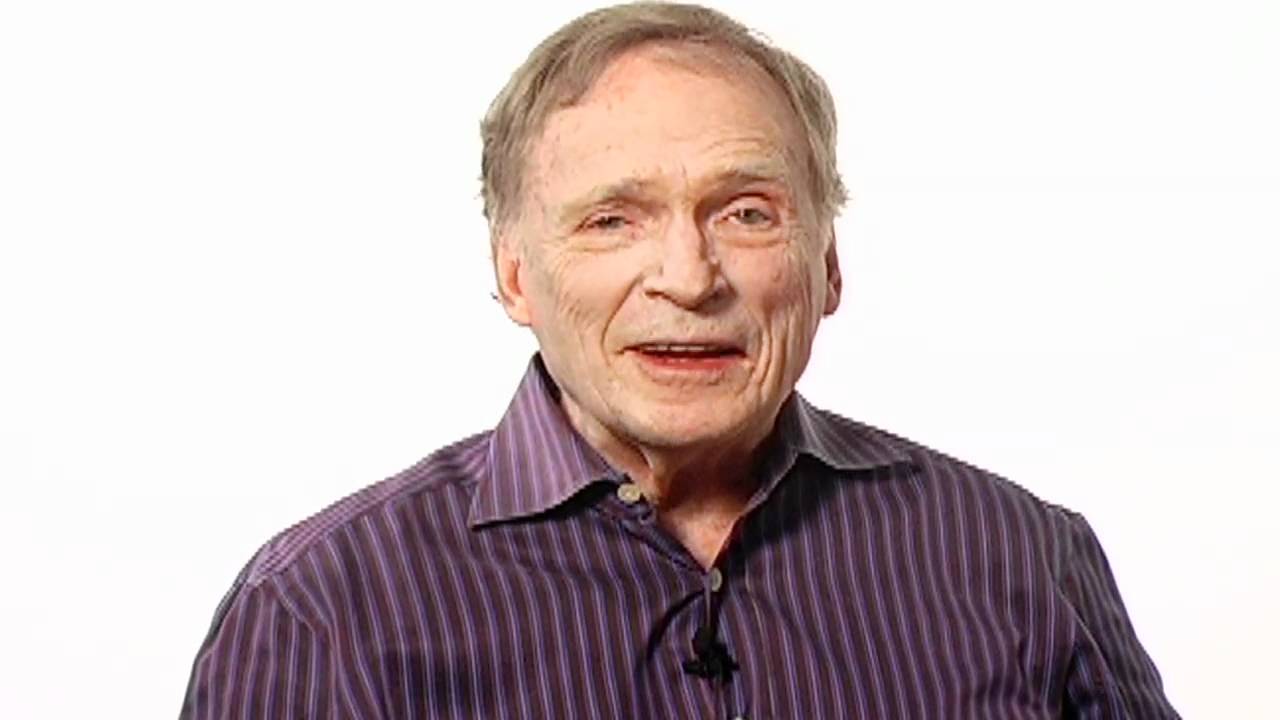
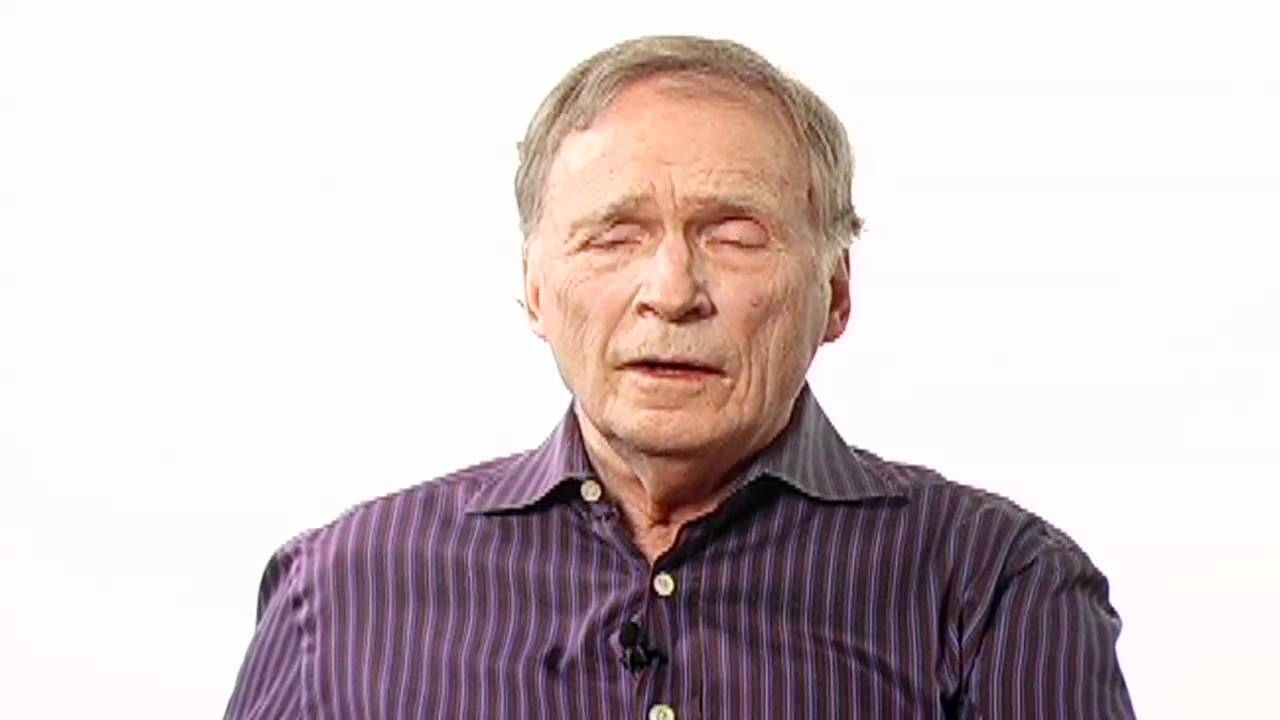
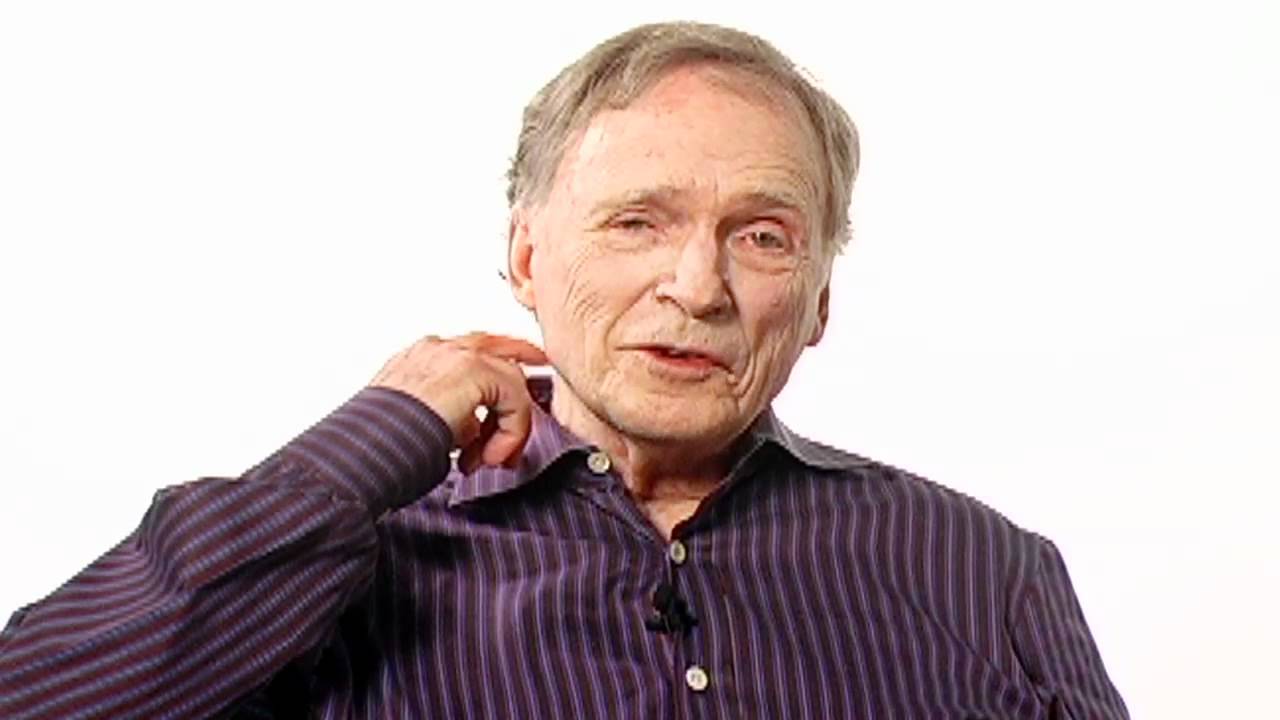
Big Think Interview With Vincent Pieribone | Big Think
Posted
April 24, 2012
Views
730
Likes
12
Comments
1
Engagement
1.78%
April 24, 2012
730
12
1
1.78%
Every word spoken in this episode is indexed. Type any phrase to jump straight to the moment it was said.
Type any word or phrase that may have been spoken. Click a result to seek the player to that exact moment.
Try a name, a topic, or a quoted line
You’re on April 24, 2012. Earlier episodes are to the left, later ones to the right — the row keeps loading as you go. Click any card to open it.
 Apr 24, 201247:27Now Playing
Big Think Interview With Vincent Pieribone
New videos DAILY
Join Big Think Edge for exclusive videos
----------------------------------------------------------------------------------
A conversation with the associate professor at Yale University.
----------------------------------------------------------------------------------
Vincent Pieribone:
Vincent Pieribone is Associate Fellow, The John B. Pierce Laboratory, and Associate Professor, Cellular & Molecular Physiology and Neurobiology, Yale University School of Medicine. He attended New York University College of Arts and Sciences where he received a B.A. in Biology and Chemistry in 1986. He then attended New York University's Graduate School of Arts and Sciences and received his Ph.D. in 1992 in neuroanatomy and neurophysiology. From 1990 to 1992 he was a National Science Foundation and Fogarty International Fellow at the Nobel Institute of Neurophysiology at the Karolinska Institute in Stockholm, Sweden. Dr. Pieribone did postdoctoral work at The Rockefeller University in New York from 1992 to 1995 and became an Assistant Professor there in 1995. He joined the Pierce Laboratory in 1997.
----------------------------------------------------------------------------------
TRANSCRIPT:
Question: What led you down the path to neurophysiology?
Vincent Pieribone: I was planning to be a physician, I guess, when I was very young. My father was a Chiropractor. He had polio as a kid and so he lost one of his legs and struggled a lot of his life with polio, and then ultimately got multiple sclerosis and passed away when I was very young. And so, I think that, probably the event of him passing away sort of inspired me the most to go into what I thought at the time was medical research and being a physician. But also I had, actually, a very important high school science teacher who really helped me think about thing in a scientific way and helped me be a little bit more. I grew up in a small town in Florida. You know, education wasn’t high on the priority list in our school, so he was like, stood out in helping me in that process and my father got very ill around that time as well, so I guess I was both saddened and disheartened, but I was also angry about how the status of our understanding of these diseases were. And so it kind of inspired me, I guess, to go on.
And then in college, I sort of was going on as a physician just because of ignorance because I thought they were the kind of people who did science and research around biology. And then I guess it was at the end of my undergraduate career here at NYU that I stupidly came to the conclusion that medical doctors don’t really do much of the research in bio medicine, but it’s PhD’s in university settings that do that kind of work, so I started in the lab doing that and that’s history from there.
Question: Why did you have so much interest in the brain?
Vincent Pieribone: The brain started because of my father really because multiple sclerosis is a disease of the nervous system and I was reading a lot. I did a science project in high school about regenerating neurons as my high school science project. And read a lot at the time and thought it was very exciting. And the brain, I think, to me has always remained the most fascinating organ in the body because it’s so unknown and it is the part of us that makes us human in many ways. Most of the rest of our organs are kind of the same in rats. But our brain is really the thing that makes us different and is certainly the most complicated and the least understood part of our body and also the diseases are less treated than most. So, I guess – neurophysiology stems from that because neurophysiology is the study of rapidly occurring events, I think of it as thought processes are things of every day actions. As opposed to molecular biology or genetics, which work on a slower timeframe. It’s most interested in cognition and how we make sense of our world and how we remember and how we think and what makes us human. And neurophysiology kind of flowed from that for me.
Question: Which scientists did you admire when you were younger?
Vincent Pieribone: Well, it’s kind of cliché, but kind of the greats, I guess. For men, Darwin was important because of his ability to leap beyond the current thought, and Einstein because of his ability to come up with ideas that seemed totally off the wall. Relativity was something that I guess was staring everybody in the face for years, and nobody really came up with it, and being able to think beyond that, to me, was just the most creative thing I could think of in a human being was being able to think beyond the world we live in.
Read the full transcript at
Sentinel Indexing in Progress
Metadata and chapters are available. Claim extraction for this episode is pending.
All video content is delivered via YouTube embedded players in accordance with the YouTube Terms of Service. Sentinel provides research tools that promote discovery and accountability across political media.