Big Think
@bigthink·8.8M subscribers·10.1K videos
The Advantage of High School Sweethearts | Helen E. Fisher | Big Think
Posted
April 24, 2012
Views
3,957
Likes
88
Comments
1
Engagement
2.25%
April 24, 2012
3,957
88
1
2.25%
Every word spoken in this episode is indexed. Type any phrase to jump straight to the moment it was said.
Type any word or phrase that may have been spoken. Click a result to seek the player to that exact moment.
Try a name, a topic, or a quoted line
You’re on April 24, 2012. Earlier episodes are to the left, later ones to the right — the row keeps loading as you go. Click any card to open it.
 Apr 24, 20126:06Now Playing
The Advantage of High School Sweethearts
New videos DAILY
Join Big Think Edge for exclusive videos
----------------------------------------------------------------------------------
People who create an early vision of a partner in their mind often hold onto it for a long time.
----------------------------------------------------------------------------------
Helen E. Fisher:
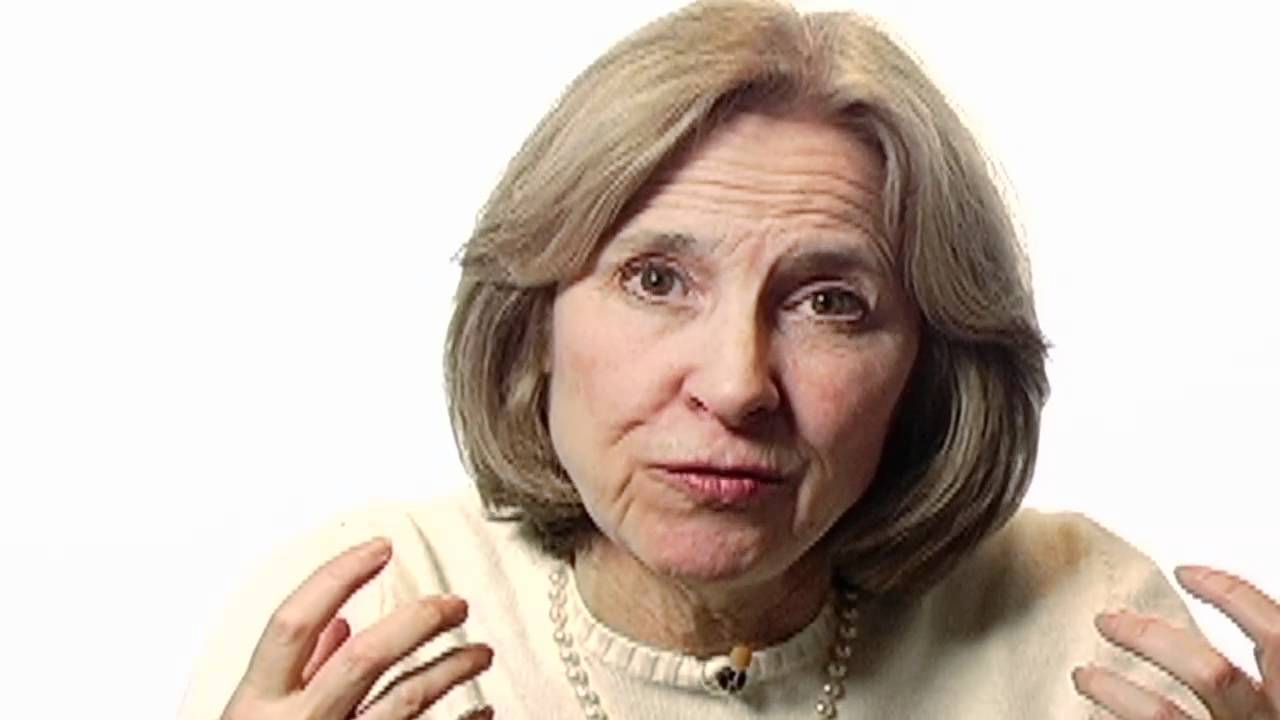
Helen E. Fisher, Ph.D. biological anthropologist, is a Senior Research Fellow at The Kinsey Institute at Indiana University, and a Member of the Center For Human Evolutionary Studies in the Department of Anthropology at Rutgers University. She has written six books on the evolution, biology, and psychology of human sexuality, monogamy, adultery and divorce, gender differences in the brain, the neural chemistry of romantic love and attachment, human biologically-based personality styles, why we fall in love with one person rather than another, hooking up, friends with benefits, living together and other current trends, and the future of relationships — what she calls: slow love.
----------------------------------------------------------------------------------
TRANSCRIPT:
Question: What is love?
Helen Fisher: Love is a lot of things to a lot of different people, but I do think that we all have inherited these three basic brain systems for mating and reproduction; the sex drive, romantic love, and deep feelings of attachment. But when you take a look around the world at world poetry, I think poetry is a very good litmus test. I think poetry is a very good indication of the emotions. And all over the world you see the same descriptions of romantic love. For example, the first thing that happens when you fall in love is a person takes on what I call “special meaning.” As George Bernard Shaw said, He said, “Love consists of overestimating the differences between one woman and another.” And indeed, we do. And then you focus on this person. That person’s car is different from any other car in the parking lot. The street they live on is different, the music they like is different. Everything about them is special and you focus on it. In fact, before I began putting people into the brain scanner, I would ask them, what do you not like about your sweetheart? And they would list what they didn’t like and then they would sweep that aside and just focus on what they did like.
Another basic characteristic of romantic love is intense energy. You can walk all night and talk til dawn, real mood swings, elation when things are going well, crashing into terrible despair when you don’t get an email, or don’t get a call, real possessiveness, it’s called “mate guarding” among animals. Most people don’t care if they’re casually sleeping with somebody. They don’t care if that person is sleeping with somebody else, but when you’re in love, you really care.
But the three main characteristics of romantic love are: intense craving for emotional union with this person. You like to sleep with them, but real emotional union with them, and intense motivation to win them, what people will do when they’re in love. And last, but no least, obsessive thinking. You can’t stop thinking about this person. Somebody is camping in your head. It’s also quite uncontrollable. Stendahl once said, “Love is like a fever. It comes and goes quite independently of the will.” And indeed it does. It just visits you. The brain system becomes triggered and you’re off to the races.
Question: Does passion diminish after a certain amount of years?
Helen Fisher: I think that most people believe that romantic love dies after a certain number of weeks, months, or years. But my colleagues and I have actually proved that wrong. The first author on our most recent brain scanning study is Bianca Casavedo. And Bianca, and the rest of us, wanted to see what happens in the brain among people who report that they are still in love, not loving, but in love with somebody after an average of 21 years of marriage. And so, in New York, we put 17 people who said they were still in love with their spouse into the brain scanner and we found exactly the same activity in this tiny little factory near the base of the brain that we found among those who had just fallen madly in love in the ventral tegmental area.
So, you can sustain romantic love long-term. But we did find one difference. When you just fallen in love, we find activity in a brain region associated with anxiety, and among those who were in love long-term, that has disappeared, and instead you now feel a sense of calm.
Read the full transcript at
Sentinel Indexing in Progress
Metadata and chapters are available. Claim extraction for this episode is pending.
All video content is delivered via YouTube embedded players in accordance with the YouTube Terms of Service. Sentinel provides research tools that promote discovery and accountability across political media.