Big Think
@bigthink·8.8M subscribers·10.1K videos
Can We Have Science Sans Ego? | Big Think
Posted
April 24, 2012
Views
368
Likes
11
Comments
4
Engagement
4.08%
April 24, 2012
368
11
4
4.08%
Every word spoken in this episode is indexed. Type any phrase to jump straight to the moment it was said.
Type any word or phrase that may have been spoken. Click a result to seek the player to that exact moment.
Try a name, a topic, or a quoted line
You’re on April 24, 2012. Earlier episodes are to the left, later ones to the right — the row keeps loading as you go. Click any card to open it.
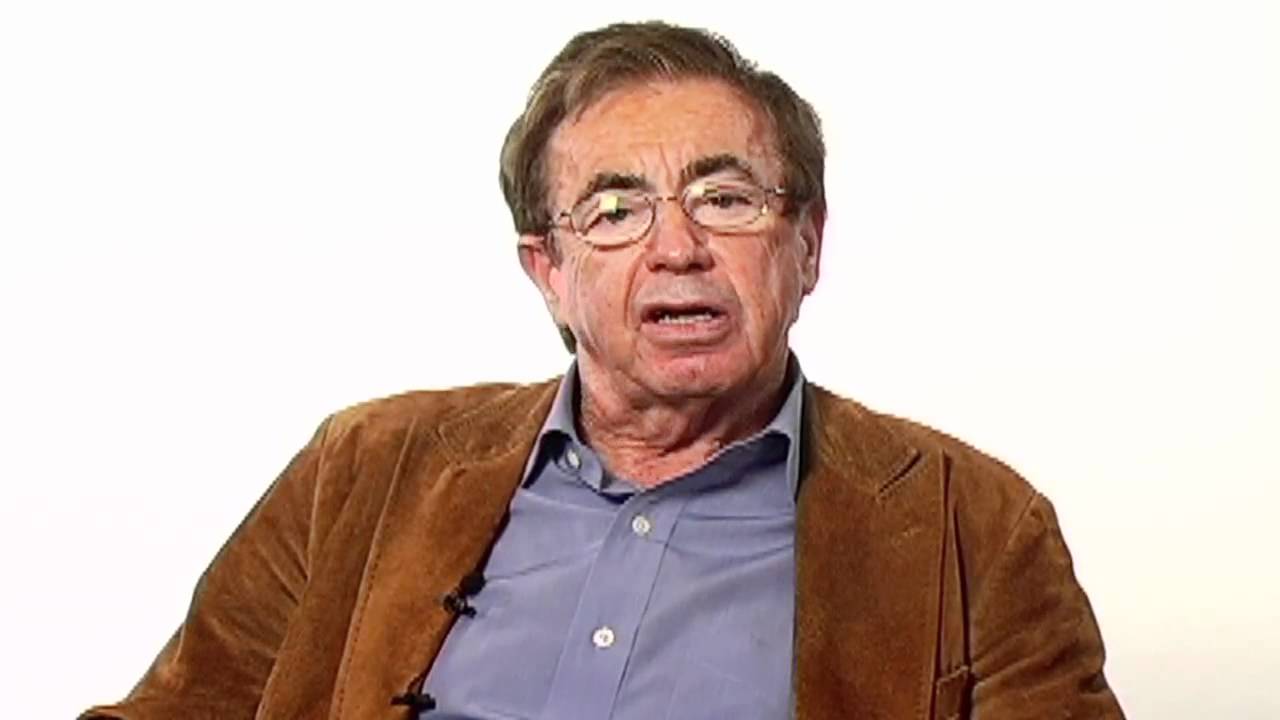 Apr 24, 20123:17Now Playing
Can We Have Science Sans Ego?
New videos DAILY
Join Big Think Edge for exclusive video lessons from top thinkers and doers
----------------------------------------------------------------------------------
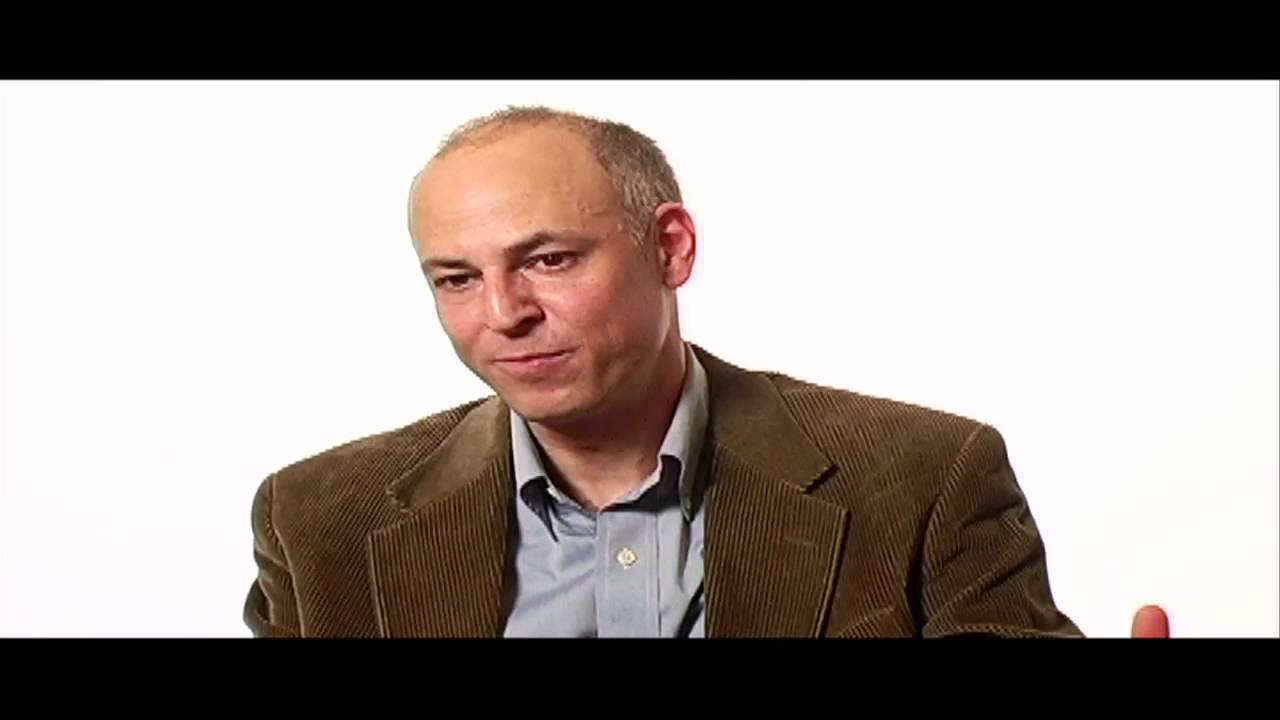
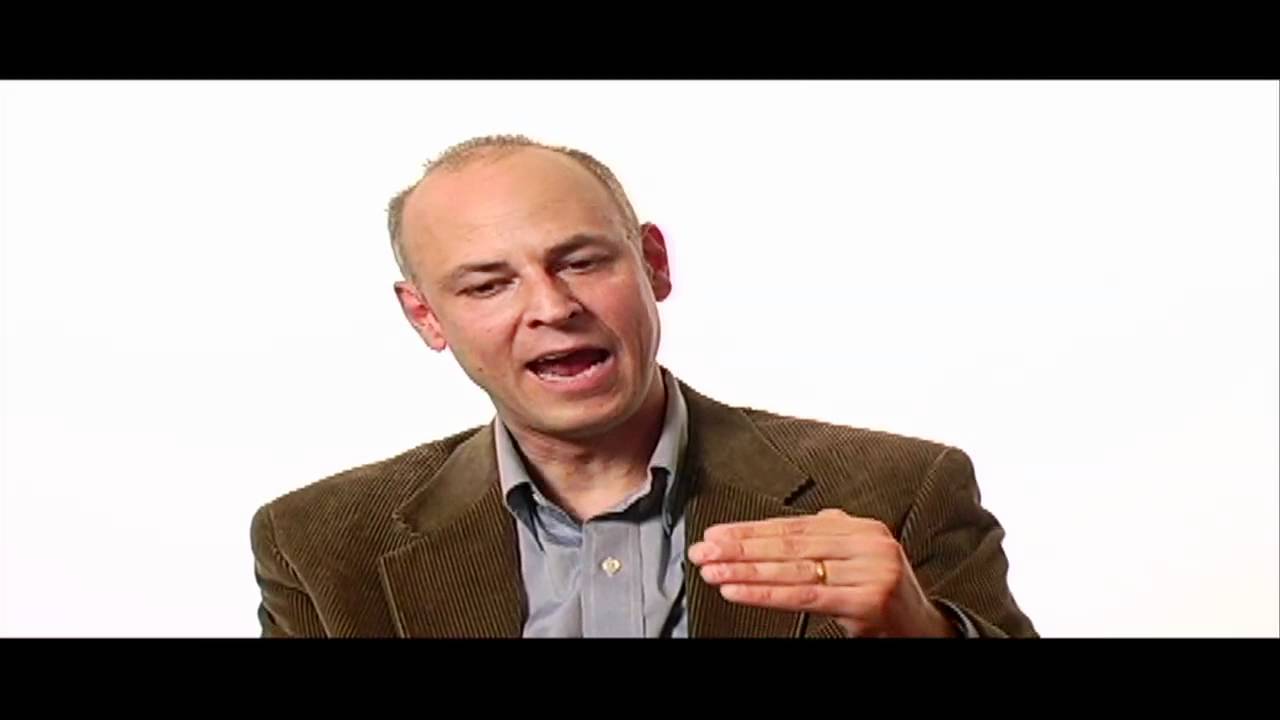
Humans have thrived like no other species on Earth. We have established habitats on all the continents, mastered agriculture, invented technology, and we are unique in having culture. All that can't only be due to opposable thumbs, and indeed it isn't. Our mental faculties distinguish us from other animals, and consciousness—a mental state as dynamic as it is mysterious—is most distinguishing of all. From an evolutionary perspective, consciousness gives humans a powerful advantage by allowing us to plan far into the future. Squirrels store nuts for the winter, but humans imagine further out, planning systems and institutions that protect our security beyond seasonal irregularities. Neuroscientist Dean Buonomano explores how our minds deliver us the goods, and how studying consciousness with consciousness presents some tricky problems. Buonomano's book on the subject of consciousness and time is Dean Buonomano is the author of Your Brain Is a Time Machine: The Neuroscience and Physics of Time.
----------------------------------------------------------------------------------
DEAN BUONOMANO:
Dean Buonomano was among the first neuroscientists to begin to ask how the human brain encodes time. It’s not an easy concept to grasp, Buonomano says, and for that reason many researchers overlook it. “The first field of modern science was probably geometry, which was formalized by Euclid around 300 B.C.,” says the researcher, “What’s amazing about geometry is that there is absolutely no time involved; it’s the study of things that never change. And there’s a reason why it is one of the first science fields. Science is much easier if you can ignore time.”
Buonomano was in grad school when he became enamored of the question of how we navigate through time. As a graduate student at the University of Texas (UT) Health Science Center at Houston, Buonomano collaborated with Michael Mauk after he heard Mauk’s lecture on his studies of the neural circuits in the cerebellum. Mauk and Buonomano modeled the way the cerebellum’s circuits could respond to stimuli and showed that this type of neuronal network can differentiate between time intervals that differ by just tens of milliseconds. Such networks also have the ability to tune the timing of their responses, the two found. “My collaboration with him was absolutely formative for me,” says Buonomano. “Mauk had this very influential notion that time is encoded in the changing patterns of neuronal activity.”
Today, Buonomano’s laboratory at the University of California, Los Angeles, uses computational modeling, in vitro electrophysiology, and human psychophysics experiments to explore how neurons and the brain as a whole perceive and respond to time. Here, Buonomano describes how he performed his first experiments on his little sister, bathed mice with antidandruff shampoo, and hypothesized that timing is so integral to brain function that all of our brain’s circuits keep tabs on the clock.
In his new book, Your Brain Is a Time Machine, brain researcher and best-selling author Dean Buonomano draws on evolutionary biology, physics, and philosophy to present his influential theory of how we tell, and perceive, time. The human brain, he argues, is a complex system that not only tells time but creates it; it constructs our sense of chronological flow and enables “mental time travel”—simulations of future and past events. These functions are essential not only to our daily lives but to the evolution of the human race: without the ability to anticipate the future, mankind would never have crafted tools or invented agriculture. The brain was designed to navigate our continuously changing world by predicting what will happen and when.
----------------------------------------------------------------------------------
TRANSCRIPT:
Dean Buonomano: So consciousness is one of the deepest questions in science and I think consciousness may very well be the deepest question and one of the deepest mysteries science has ever coped with. And this is one reason, by the way, that neuroscience is a very unique field in all of sciences.
So neuroscience is the only field in which the thing or the organ being studies is also doing the studying. Now this raises a number of potential concerns, right? Is that even possible? Can a device or an organ or a computational system understand itself? And that’s what we’re asking our brains to do when we’re faced with problems such as the nature of consciousness.
And the nature of consciousness is extrem...
For the full transcript, check out
Sentinel Indexing in Progress
Metadata and chapters are available. Claim extraction for this episode is pending.
All video content is delivered via YouTube embedded players in accordance with the YouTube Terms of Service. Sentinel provides research tools that promote discovery and accountability across political media.