Big Think
@bigthink·8.8M subscribers·10.1K videos
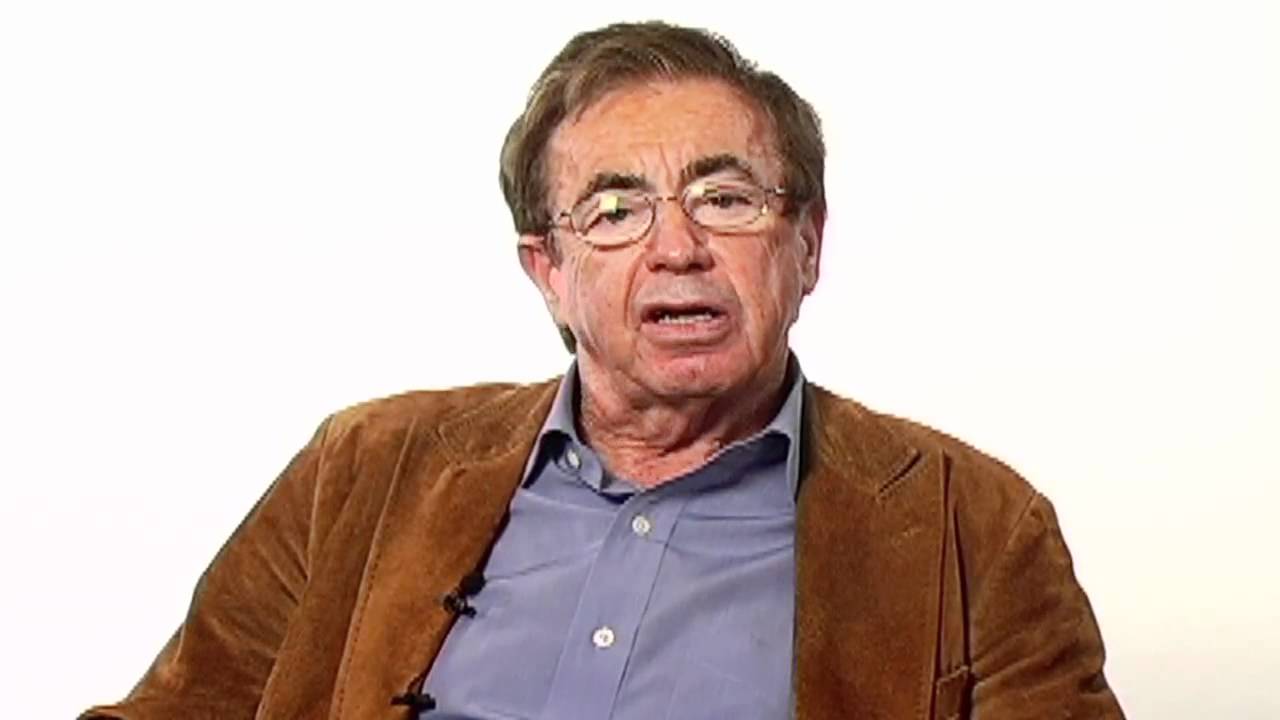
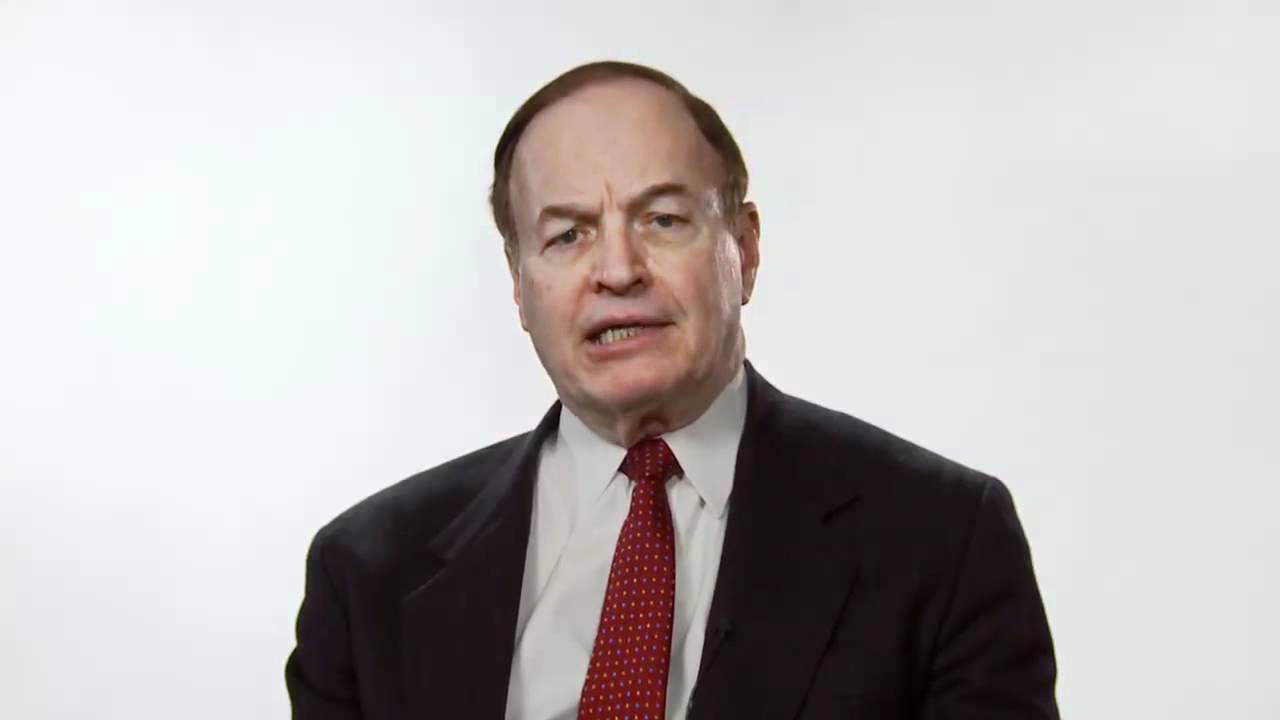
Big Think Interview with Richard Schaden | Big Think
Posted
April 24, 2012
Views
205
Likes
5
Engagement
2.44%
April 24, 2012
205
5
2.44%
Every word spoken in this episode is indexed. Type any phrase to jump straight to the moment it was said.
Type any word or phrase that may have been spoken. Click a result to seek the player to that exact moment.
Try a name, a topic, or a quoted line
You’re on April 24, 2012. Earlier episodes are to the left, later ones to the right — the row keeps loading as you go. Click any card to open it.
 Apr 24, 201249:43Now Playing
Big Think Interview with Richard Schaden
New videos DAILY
Join Big Think Edge for exclusive videos
----------------------------------------------------------------------------------
A conversation with the aviator, trial lawyer, and founder of Beyond the Edge.
----------------------------------------------------------------------------------
Richard Schaden:
Beyond the Edge founder Richard Schaden is an aeronautical engineer and highly experienced trial lawyer. With over 40 years of successful litigation, Schaden has won 50 multimillion-dollar courtroom verdicts and hundreds of millions of dollars in settlements for his clients, along with the respect of both the legal and technological communities.
Before his career as an aviation attorney, Schaden worked for the Boeing Airplane Company as a flight test engineer. He has conducted extensive engineering flight tests on several general aviation aircraft, including the Boeing 707, 727, B-52, and C-135. During his employment with Boeing, Mr. Schaden attended graduate school for mechanical engineering and nuclear physics.
Schaden currently holds the highest FAA license possible - Air Transport Pilot. Every year he completes advanced recurrent jet pilot training for the firm's aircraft.
----------------------------------------------------------------------------------
TRANSCRIPT:
Question: Starting from the beginning, what have been the stages of your career?
Richard Schaden: I graduated from the University of Detroit in Aeronautical Engineering and went right to Boeing. I had been through Air Force ROTC, but never really did receive a commission. I went to Boeing to work as a Civilian Engineer primarily – a lot was on military aircraft. In those days, we B-52’s and KC-130’s, and C-130 Transports, and the first airplane that I flew at Boeing, not as a pilot; as an engineer, was the prototype of the Boeing 707, which was called the 367-80. And at that time, we were putting a Pratt-Whitney Engine on the side of it, which was known as a JT8D and was going to be the engine for the 727, which at that time was on the drawing board. And so we did blight tests to see how that would work strapped on the side of a 707. And that was the first job I had.
I actually went to Boeing with great fear that I was assigned to a drawing board and to do analytical work and to solve equations, and I wanted to be in the air. And so, fortunately, I was able to connect with the Chief of Flight Test and I moved into flight test very early and spent a short career at Boeing as a flight test engineer, and got to do a lot of flying and a lot of piloting, and also it was a great experience for me.
I liked the aircraft industry because they had great toys and great equipment, and they had the best equipment in the world in those days. I didn’t like the idea of having to work for a corporation. My father had never worked for anybody but himself, not too successfully, but always for himself. And when I realized that I couldn’t really accomplish what I wanted to accomplish within the confines of a corporation, I looked for another place to go and went to law school at nights. However, in between I did go to graduate school in engineering at Wichita State; Boeing sent me there and suggested I go there, and I did. And then later on I finished law school at night.
Question: What drew you to the law?
Richard Schaden: Well a couple of things. Early on, I thought Barry Goldwater was running for President in those days, and he was a conservative. I didn’t understand the differences between the Democratic Party and the Republican Party. But I liked Barry Goldwater. And he said if you want to be a politician, you’re going to have to get a law degree. I said I could never get into law school and I was told that you can get into law school; you just have to talk to the right people.
So I went to law school and I asked them whether they ever had an aeronautical engineer apply for law school, and they said no. I said I’m going to give you a chance to try. And I found that in short order, I was in court rooms designing things, aircraft things primarily, with felt tip pens on easel boards in front of juries. And when I was getting large verdicts against the industry, all of a sudden they were listening to me and making changes that I was never able to make as a young engineer in the industry.
Question: Did you foresee the era of big verdicts that you helped pioneer?
Read the full transcript at
Sentinel Indexing in Progress
Metadata and chapters are available. Claim extraction for this episode is pending.
All video content is delivered via YouTube embedded players in accordance with the YouTube Terms of Service. Sentinel provides research tools that promote discovery and accountability across political media.