Big Think
@bigthink·8.8M subscribers·10.1K videos
We Should Be Flying Higher, Faster | Richard Schaden | Big Think
Posted
April 24, 2012
Views
317
Likes
2
Engagement
0.63%
April 24, 2012
317
2
0.63%
Every word spoken in this episode is indexed. Type any phrase to jump straight to the moment it was said.
Type any word or phrase that may have been spoken. Click a result to seek the player to that exact moment.
Try a name, a topic, or a quoted line
You’re on April 24, 2012. Earlier episodes are to the left, later ones to the right — the row keeps loading as you go. Click any card to open it.
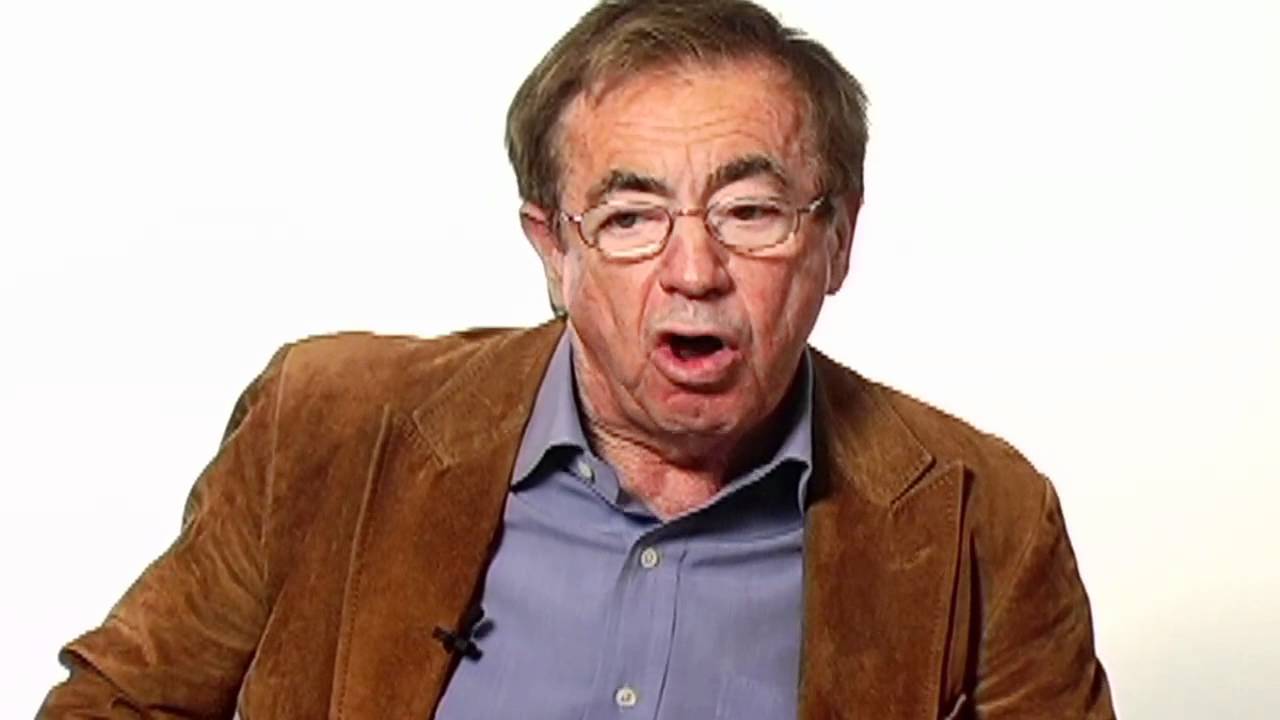 Apr 24, 20124:23Now Playing
We Should Be Flying Higher, Faster
New videos DAILY
Join Big Think Edge for exclusive videos
----------------------------------------------------------------------------------
The technology to advance airplanes is there. So why aren’t we getting anywhere?
----------------------------------------------------------------------------------
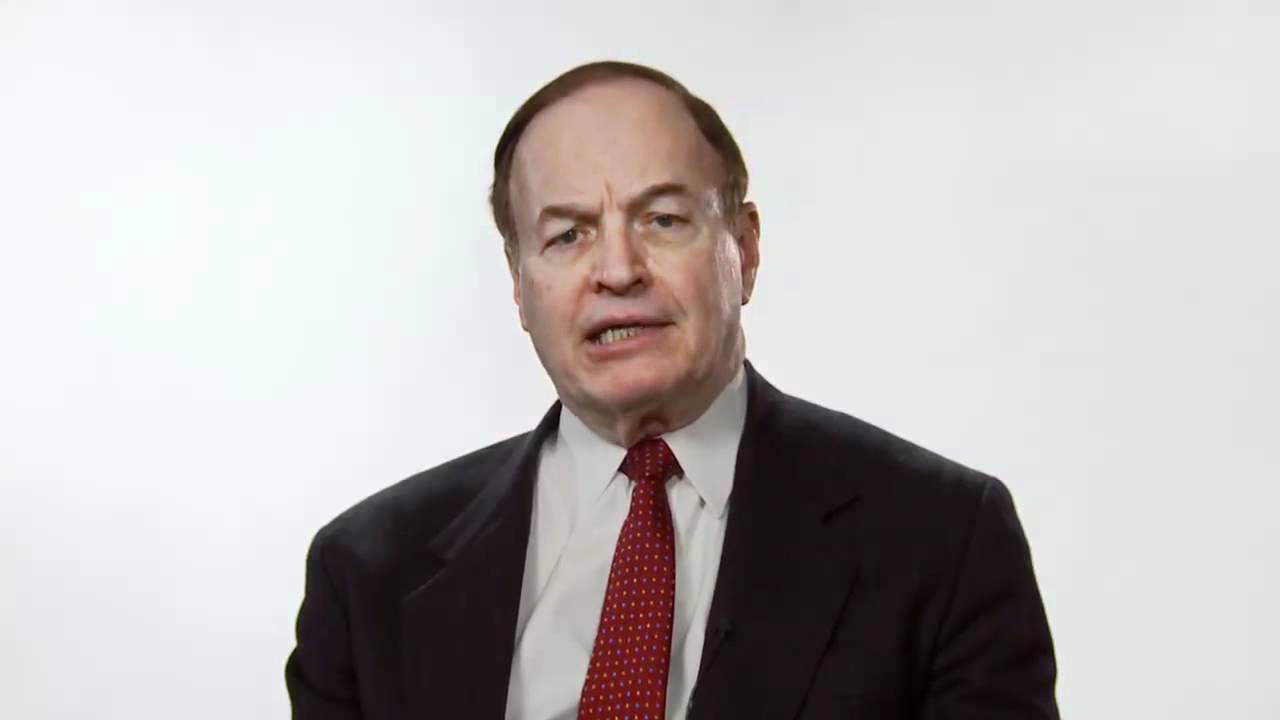
Richard Schaden:
Beyond the Edge founder Richard Schaden is an aeronautical engineer and highly experienced trial lawyer. With over 40 years of successful litigation, Schaden has won 50 multimillion-dollar courtroom verdicts and hundreds of millions of dollars in settlements for his clients, along with the respect of both the legal and technological communities.
Before his career as an aviation attorney, Schaden worked for the Boeing Airplane Company as a flight test engineer. He has conducted extensive engineering flight tests on several general aviation aircraft, including the Boeing 707, 727, B-52, and C-135. During his employment with Boeing, Mr. Schaden attended graduate school for mechanical engineering and nuclear physics.
Schaden currently holds the highest FAA license possible - Air Transport Pilot. Every year he completes advanced recurrent jet pilot training for the firm's aircraft.
----------------------------------------------------------------------------------
TRANSCRIPT:
Question: As a young engineer in the sixties, is this where you expected aviation would be today?
Richard Schaden: We don’t have much left in the way of competition in the aircraft industry. When I graduated from aeronautical engineering school in the big air transport area, we had Boeing, Convair, Lock Heed, General Dynamics, Douglas McDonald, etc. Today there basically is one company in the United States, the Boeing Airplane Company. In general aviation, we had many more competitors. So, there isn’t a lot of competition in the business, certainly within the United States, even on the global basis. What we have on a global basis is Airbus and Boeing, and that’s it. And we’re very limited also in general aviation in that respect too. There’s not a lot of competition.
The advancements have now been, as they have been in many areas in life, been in the IT area, or in what we call technology today, which basically means electronics. The airframes, that’s the airplane itself and the power plants have been fairly flat in progression. I expected that today, we would be flying higher, much faster. I thought we’d be flying more in the outer edges of the atmosphere and we would be aerodynamically much cleaner than we are. Part of the problem is to get an airplane in certification is such a long, terribly expensive, capital-intensive project today that it’s almost impossible. So many people have tried, for example, to make the very light jets in the last 10 years and gone totally broke. Probably you’ve talk to them, or seen some of them. I know of no one who has successfully produced a new light jet aircraft.
Question: Is technology in other domains insufficient to move these proceeds along?
Richard Schaden: I don’t think so. I believe the ideas to make airplanes much better and to make travel in the atmosphere and even outside the atmosphere for that matter, is there. And that’s one of the reasons that provoked me to think about this Beyond The Edge project that we’re on right now, and one of the reasons I am here is, we’ve got to find that technology and we have to share it and bring it to fruition. There are many young people, “young expansives,” as I would call them, with ideas that we are not able to get together for one reason or the other. The same kind of problems that I had when I was a young man in the aircraft industry. And also I think that we have some very mature people with some great ideas who really aren’t sharing their ideas today because of either ego or fear of losing control, or financial issues. And what we have to do is create a safe place to bring that kind of know-how, those kinds of ideas, those new thinkers together in a collaborative sort of way so that we can bring it to fruition.
I think there’s just a lot of great stuff out there that’s kind of stuck with no place to go. Either they don’t know how to capitalize it, or they’re afraid to share it for fear of losing their idea, not having control, ego problems. We have to get ourselves into a more broad, I would say, concentric way we have to move well beyond ego concentric to what Andrew Cohen refers to as a cosmos concentric, and at least a global concentric so that we really share outside of the constraints of ego and financial fears, the idea that we have to make them work. And I think that evolving in that direction.
Recorded on January 25, 2010
Sentinel Indexing in Progress
Metadata and chapters are available. Claim extraction for this episode is pending.
All video content is delivered via YouTube embedded players in accordance with the YouTube Terms of Service. Sentinel provides research tools that promote discovery and accountability across political media.