Big Think
@bigthink·8.8M subscribers·10.1K videos
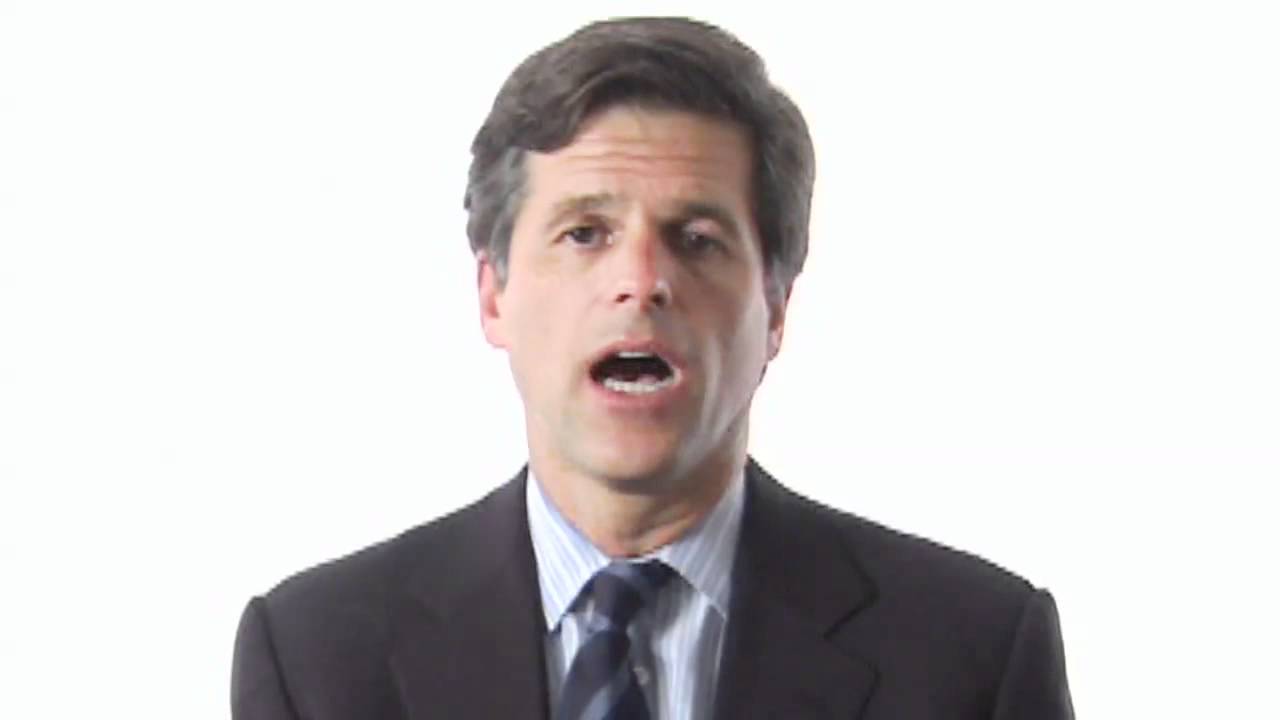
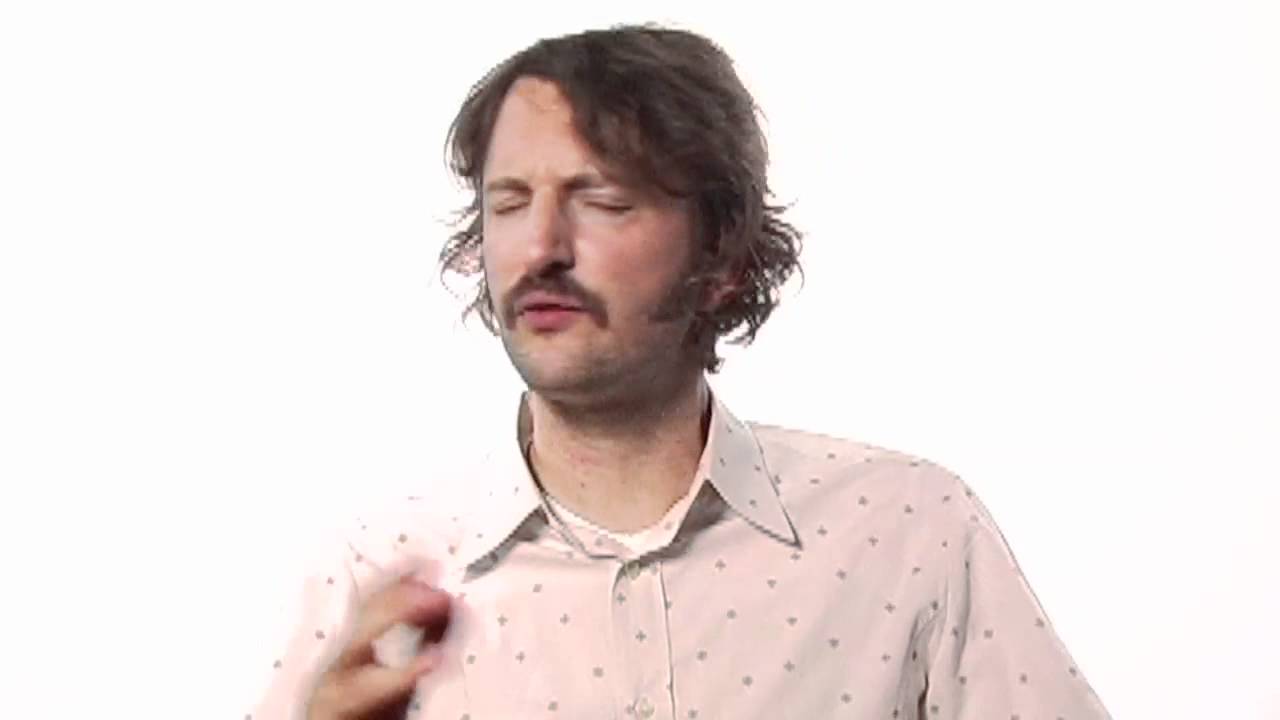
Big Think Interview with Tim Shriver | Big Think
Posted
April 24, 2012
Views
1,704
Likes
11
Engagement
0.65%
April 24, 2012
1,704
11
0.65%
Every word spoken in this episode is indexed. Type any phrase to jump straight to the moment it was said.
Type any word or phrase that may have been spoken. Click a result to seek the player to that exact moment.
Try a name, a topic, or a quoted line
 7:08Now Playing
Big Think Interview with Tim Shriver
New videos DAILY
Join Big Think Edge for exclusive videos
----------------------------------------------------------------------------------
Tim Shriver:
Timothy P. Shriver is the Chairman of Special Olympics. Before joining Special Olympics, Shriver was a leading educator focused on the social and emotional factors in learning. He has worked in substance abuse prevention, violence, dropout prevention and teen pregnancy prevention. He created the New Haven Public Schools’ Social Development Project, now considered the leading school-based prevention effort in the United States, and co-founded the Collaborative for Academic, Social and Emotional Learning (CASEL), the leading research organization in the United States in the field of social and emotional learning. Shriver currently chairs CASEL.
----------------------------------------------------------------------------------
TRANSCRIPT:
Tim Shriver: rnWell in the last 20 years there have been great changes for people withrnintellectual disabilities. Manyrncountries have passed laws that opened schools to children with intellectualrndisabilities. It's hard tornbelieve, but just a few generations ago, a few decades ago, many children withrndisabilities were never allowed to go to school. Schools would tell parents no, there is no place in thisrnschool for your child.
So schools have opened up. rnIn some places, employers have begun to see a person with anrnintellectual disability as someone who can contribute, someone who will be arnloyal worker, someone who will be a reliable worker, someone who will helprncreate a positive environment at work. rnSo employers have begun the long process of opening their doors ofrnopportunity to people with intellectual disabilities.
And healthcare institutions have begun to study the various formsrnof intellectual disability and begun to respond with new kinds of treatments,rnnew kinds of interventions, new kinds of therapies that not only help preventrnthose forms of intellectual disability that are preventable, but also, and maybernmore importantly, add to the quality of life of those who have an intellectualrndisability and want to contribute.
So changes have been positive in most countries. Do we still have work to do? Alas. Yes. All thernpositive changes in employment, in healthcare, community living, education, arernstill unfortunately isolated examples. rnMost children with intellectual disabilities never go to school. More than 90 percent never have arnjob. Almost all of them never havernreal friends. Very few still everrnget to play on a sports team, ever get to join a community organization, everrnget to stand up in front of a crowd and say, "Look what I've done. Look how well I've done. Give me a chance at a medal. Give me a chance at a cup. Give me a chance at success." That experience is still tragically thernrarest of experiences in the lives of people with intellectual disabilities andrntheir families.
Our job is to change that.
Tim Shriver: rnWell the biggest barrier facing people with intellectual disabilities inrnalmost every country in the world is fear and misunderstanding, negativernattitudes. People still believernthat a child with an intellectual disability is somehow lesser. So they say to parents, "Oh, I'mrnsorry you have such a child." rnThey say to the child, either in words or non-verbally, "I'm sornsorry that you're having to live such a tragic life." It couldn't be in many respects arnfurther thing from the truth, but that bias translates into a lack ofrnhealthcare because people think why bother giving healthcare to these children.
It translates into a lack of special educators because peoplernthink why bother with special education, we have to train and educate otherrnkids. It translates into a lack ofrnemployment opportunities because people think why bother hiring this person,rnthey're never contribute anything. rn
The biggest barrier is the negative attitude. The result of negative attitudes, ourrnwhole systems, whole social structures that too frequently say to a child withrnintellectual disability, "You are not welcome." Our job is to reverse those negativernattitudes and create communities that say, "You are welcome. Show me what you can do. You can contribute to the life of thisrncommunity, to the life of this country."
Topic: rnArticle 23 of the CRC.
Read the full transcript at
Sentinel Indexing in Progress
Metadata and chapters are available. Claim extraction for this episode is pending.
All video content is delivered via YouTube embedded players in accordance with the YouTube Terms of Service. Sentinel provides research tools that promote discovery and accountability across political media.