Big Think
@bigthink·8.8M subscribers·10.1K videos
Sherman Alexie's Literary Heroes? Literary Works. | Sherman Alexie | Big Think
Posted
April 24, 2012
Views
5,493
Likes
25
Engagement
0.46%
April 24, 2012
5,493
25
0.46%
Every word spoken in this episode is indexed. Type any phrase to jump straight to the moment it was said.
Type any word or phrase that may have been spoken. Click a result to seek the player to that exact moment.
Try a name, a topic, or a quoted line
Episode Timeline
Every episode in order around the one you’re watching — click any card and the page flips straight to it.
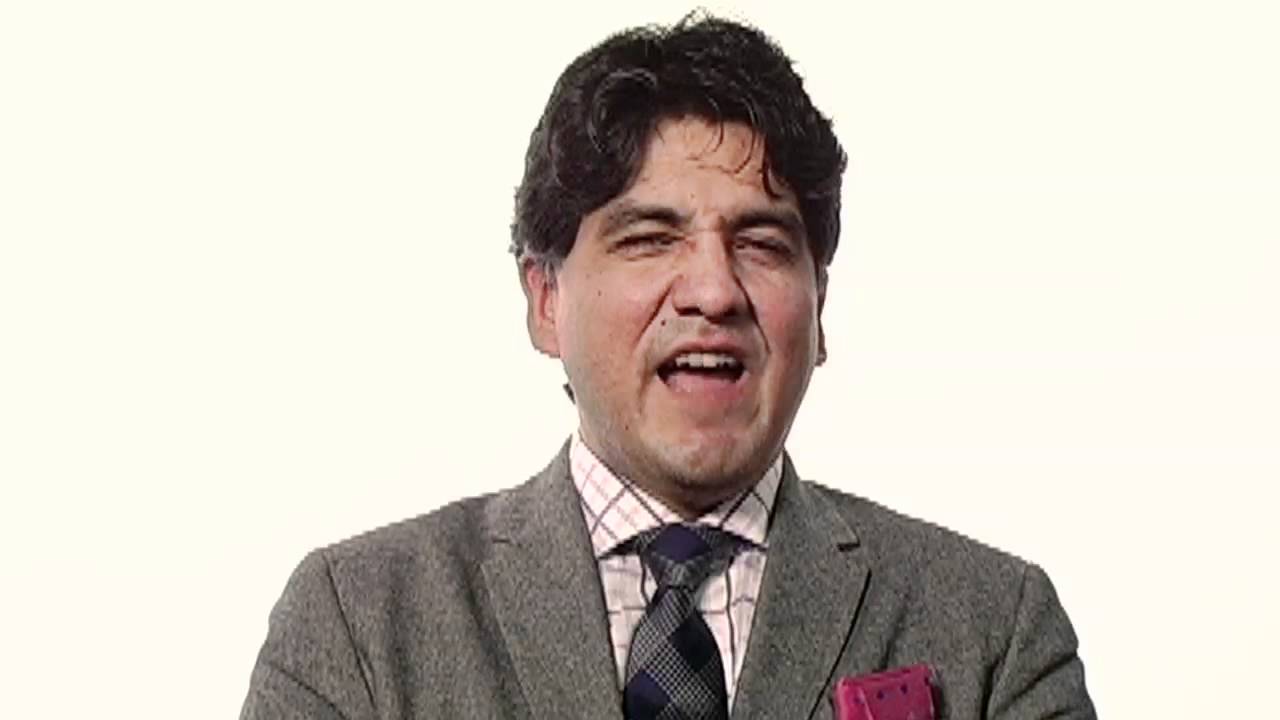 2:39Now Playing
Sherman Alexie's Literary Heroes? Literary Works.
New videos DAILY
Join Big Think Edge for exclusive videos
----------------------------------------------------------------------------------
The writer explains why he idolizes ideas, not people.
----------------------------------------------------------------------------------
Sherman Alexie:
Born in 1966 on the Spokane Indian Reservation in Wellpinit, WA, Sherman Alexie is a novelist, short story writer, poet, and winner of the 2007 National Book Award in Young People's Literature for "The Absolutely True Diary of a Part-Time Indian." His other works include "The Business of Fancydancing," "I Would Steal Horses," and "The Lone Ranger and Tonto Fistfight in Heaven," a story from which was adapted into the motion picture "Smoke Signals." His novel "War Dances," the story of an author who must care for his dying alcoholic father, was released in October 2009 by Grove/Atlantic Press.
----------------------------------------------------------------------------------
TRANSCRIPT:
Question: Whom would you most like to meet?
Sherman Alexie: It’s funny, this popped into my head, so I’llrn go with it, Shoeless Joe Jackson, who was banned from baseball in 1919 rnfor allegedly fixing the World Series. Country boy, ended up being a rngreat baseball player, one of the greatest of all time, I’d like to talkrn to him about that World Series, about the mysteries of human nature. rnBecause, you know, you’re looking at the stats, I’m pretty sure he rndidn’t participate in the fix, but he knew about it, so I’d like to havern a discussion of morality with Shoeless Joe Jackson.
Question: Who are your literary heroes?
Sherman Alexie: Well, there are just certain poems and novelsrn and stories that resonate forever and ever. You know, poems I always rnreturn to, Emily Dickinson: “Because I could not stop for Death, that rnkindly stopped for me.” You know, Theodore Roethke: “I know a woman,” rnyou know, “I knew a woman, lovely in her bones, when small birds sighed,rn she would sigh back at them.” James Wright: “Suddenly I realized that rnif I stepped outside my body, I would break into blossom.” And then, rnyou know, the end of “Grapes of Wrath,” when Rose of Sharon breastfeeds,rn you know, her child has died, but she breastfeeds the starving man, rnthat moment? So it’s always individual works. Even in life, I don’t rnhave heroes. I believe in heroic ideas, because the creators of all rnthose ideas are very human. And if you make heroes out of people, you rnwill invariably be disappointed.
Question: Was there a particular work that moved you as a rnchild?
Sherman Alexie: Oh, Ezra Jack Keats, “A Snowy Day,” the book. rn You know, the idea of multicultural literature is very new and so as a rnlittle Indian boy growing up on the reservation, there was nobody like rnme in the books, so you always had to extrapolate. But when I picked uprn A Snowy Day with that inner-city black kid, that child, walking throughrn the, you know, snow covered, pretty quiet and lonely city, oh, I mean, rnwhen he was making snow angels and, you know, when he was getting in rnsnowball fights and when he got home to his mother and it was cold and rnshe put him in a hot bathtub and put him to sleep, the loneliness and rnthe love in that book, oh, just gorgeous. So that picture resonates rnwith me still.
Sentinel Indexing in Progress
Metadata and chapters are available. Claim extraction for this episode is pending.
All video content is delivered via YouTube embedded players in accordance with the YouTube Terms of Service. Sentinel provides research tools that promote discovery and accountability across political media.