Big Think
@bigthink·8.8M subscribers·10.1K videos
Too Many Apps for That | Gabe Zichermann | Big Think
Posted
April 24, 2012
Views
293
Likes
2
Engagement
0.68%
April 24, 2012
293
2
0.68%
Every word spoken in this episode is indexed. Type any phrase to jump straight to the moment it was said.
Type any word or phrase that may have been spoken. Click a result to seek the player to that exact moment.
Try a name, a topic, or a quoted line
Episode Timeline
Every episode in order around the one you’re watching — click any card and the page flips straight to it.
 5:45Now Playing
Too Many Apps for That
New videos DAILY
Join Big Think Edge for exclusive videos
----------------------------------------------------------------------------------
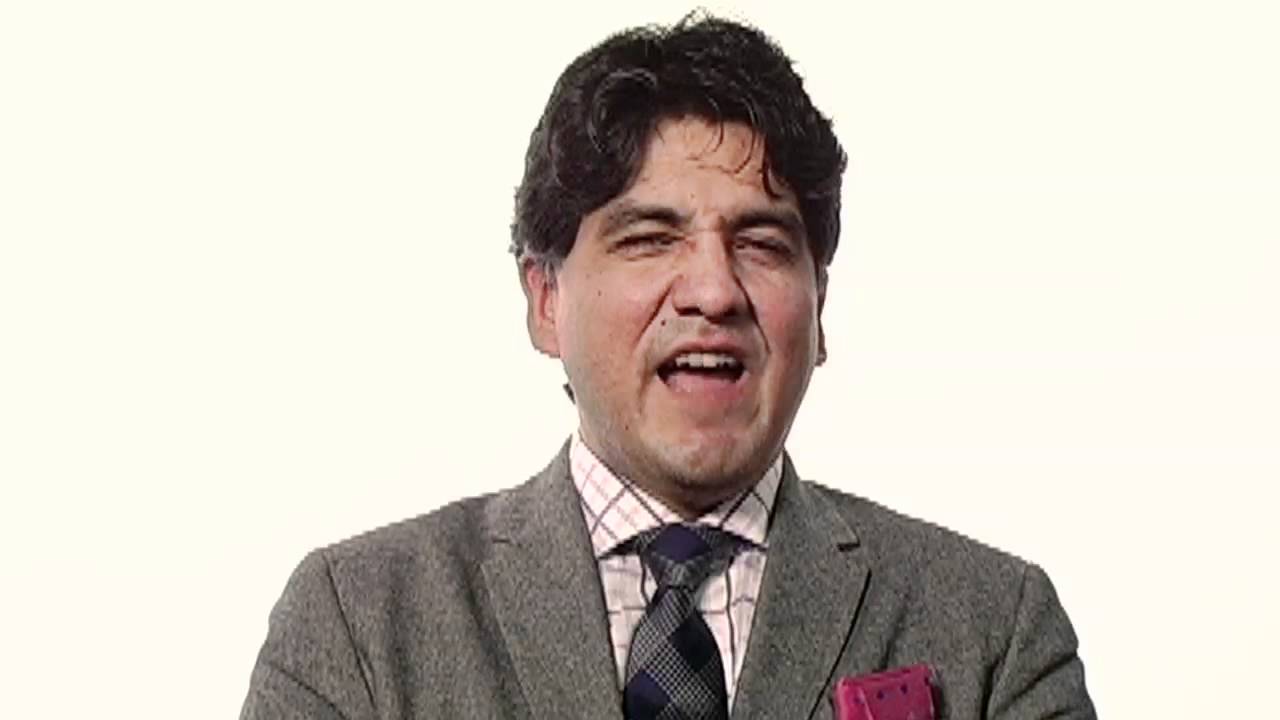
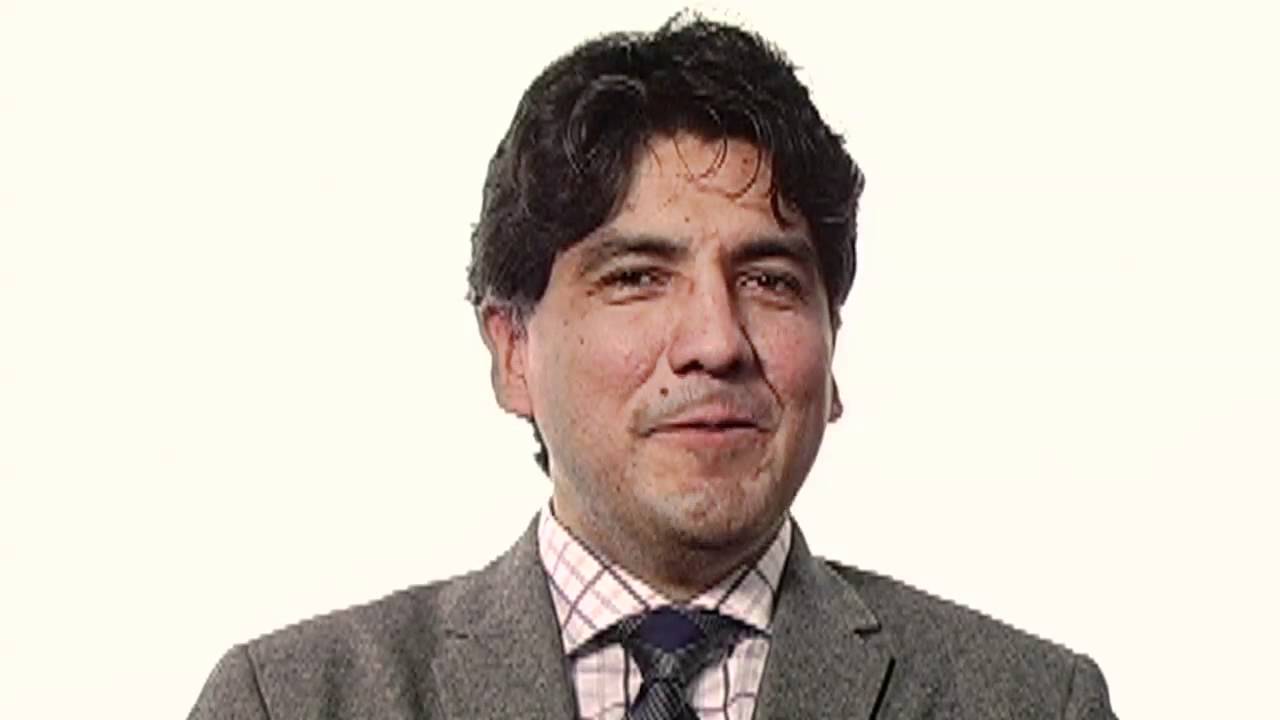
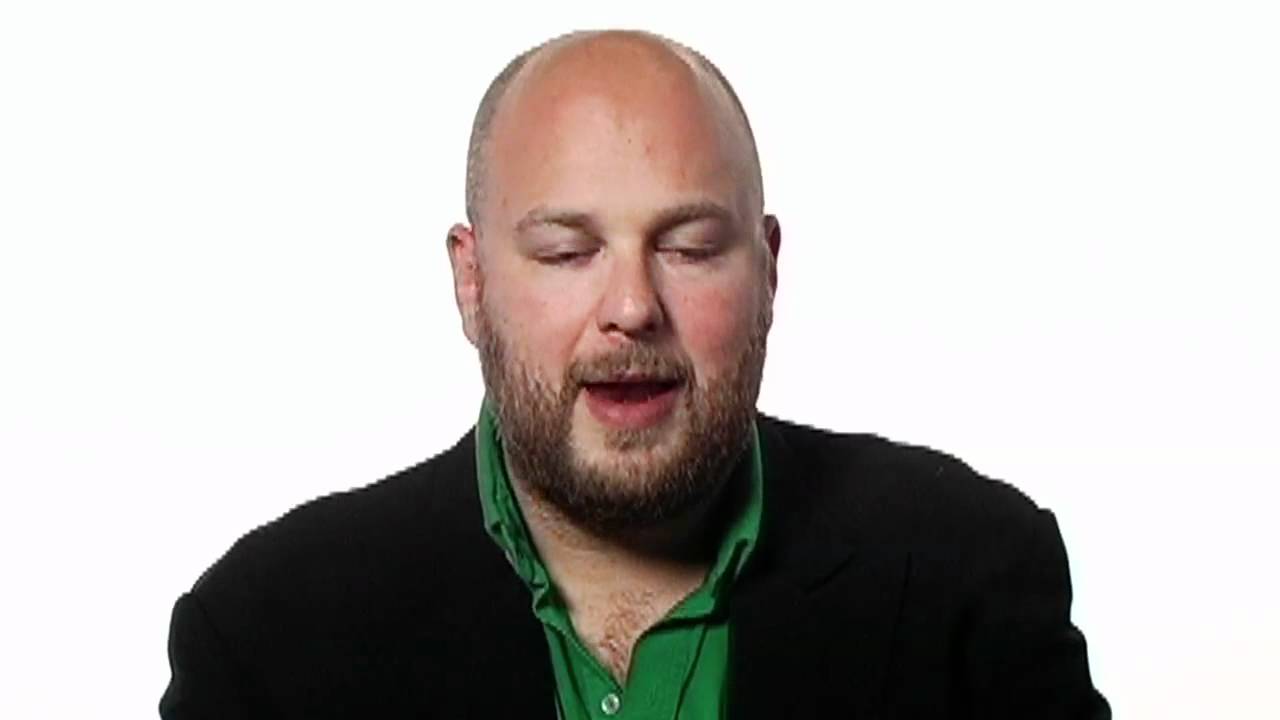
You’re as likely to win the lottery as create a winning application for the iPhone. Serial tech entrepreneur Gabe Zichermann explains.
----------------------------------------------------------------------------------
Gabe Zichermann:
Gabe Zichermann is an entrepreneur, author and public speaker who coined the term “Funware” to describe the use of game mechanics in nongame contexts. As cofounder and CEO of mobile software startup rmbrME, Gabe is helping to rewrite the rules for networking in a smartphone world. Additionally, as coauthor of the upcoming books “The Engaging Web” (Manning, 2009) and “GameBased Marketing” (Wiley, 2010), Zichermann makes a compelling case for the use of games and game mechanics in everyday life, the web and business. A native of Canada and resident of NYC, Gabe frequently muses about games and the world at
----------------------------------------------------------------------------------
TRANSCRIPT:
Question: Did you have an initial marketing plan?
Gabe Zichermann: The marketing plan for beamMe really was organic and focused on the virility of our product. I’m also a big believer in traditional PR in quotes and I think that includes getting blog coverage and getting media coverage. If you make apps for mobile devices, probably the most meaningful coverage that you can get is being featured in the app stores for whatever platform you’re working on, so for us early on in beamME’s lifecycle we were featured on the iTunes app store. We were written up in The Times and through a bunch of syndication and we were actually featured on the Apple.com start page, so we got a bunch of initial momentum for the product that way. Then we found a generally pretty good kind of PR air cover and viral ground cover for the distribution of our product.
Question: How does one compete with all the existing iPhone applications?
Gabe Zichermann: Whenever a new platform launches—and I’ve been really fortunate to be around for right on the cusp of the launch of the internet really, the launch of Facebook for example and the iPhone and been involved at Cisco Systems and then my last kind of focus and then now this new startup and each one of those things—you realize that in the very early days [a] handful of developers with good ideas and the right focus take a disproportionate... have a disproportionate success out of the launch of a new technology platform and that is pretty consistent. It’s very unusual for those early succeeders to get to the next stage of the game, and typically the real money is made by the people who come immediately after that first group. The first group is kind of big land grab and then there is some shakeout and then it’s the second group who really seems to make a big go of it. What I would say is especially if you’re developing apps today I think the opportunities are still tremendous. However, the likelihood that you’ll make an amazing single $1 application that will make you millions of dollars, I think, is pretty slim. Those were always corner cases. That was not the norm, even at the dawn of the iPhone. That has never been the norm. That will never be the norm. A handful of people win the lottery effectively by being at the right place at the right time and with a great app. It doesn’t take anything away from that, but the rest of the people, we got to slug it out. Just like any other platform, you got to make great product. You got to excite your customers. You have to market that product well. You need to know what your customers love and keep iterating against that, you know that vision of really solving a customer problem every day.
Question: Looking back, what is one mistake you made during your career?
Gabe Zichermann: I make a ton of mistakes. I mean I’m going to be honest with you. I make an absolute ton of mistakes. I make mistakes every single day. I make mistakes multiple times a day and if you listen to my business partner or my life partner or my parents they’d probably have an even better list of mistakes they could share with you. I’m so hypercritical of myself and the world around me that it would be difficult for me to really single out one thing I did wrong. One thing I can tell you though is that in the context of a life full of mistakes, the smartest people in the room are the ones who know they’ve made a mistake and without hubris turn away from that, acknowledge it, move on, close that door, open a new door when they need to do that without getting stuck somewhere like Afghanistan or Iraq.
Read the full transcript at
Sentinel Indexing in Progress
Metadata and chapters are available. Claim extraction for this episode is pending.
All video content is delivered via YouTube embedded players in accordance with the YouTube Terms of Service. Sentinel provides research tools that promote discovery and accountability across political media.