Big Think
@bigthink·8.8M subscribers·10.1K videos
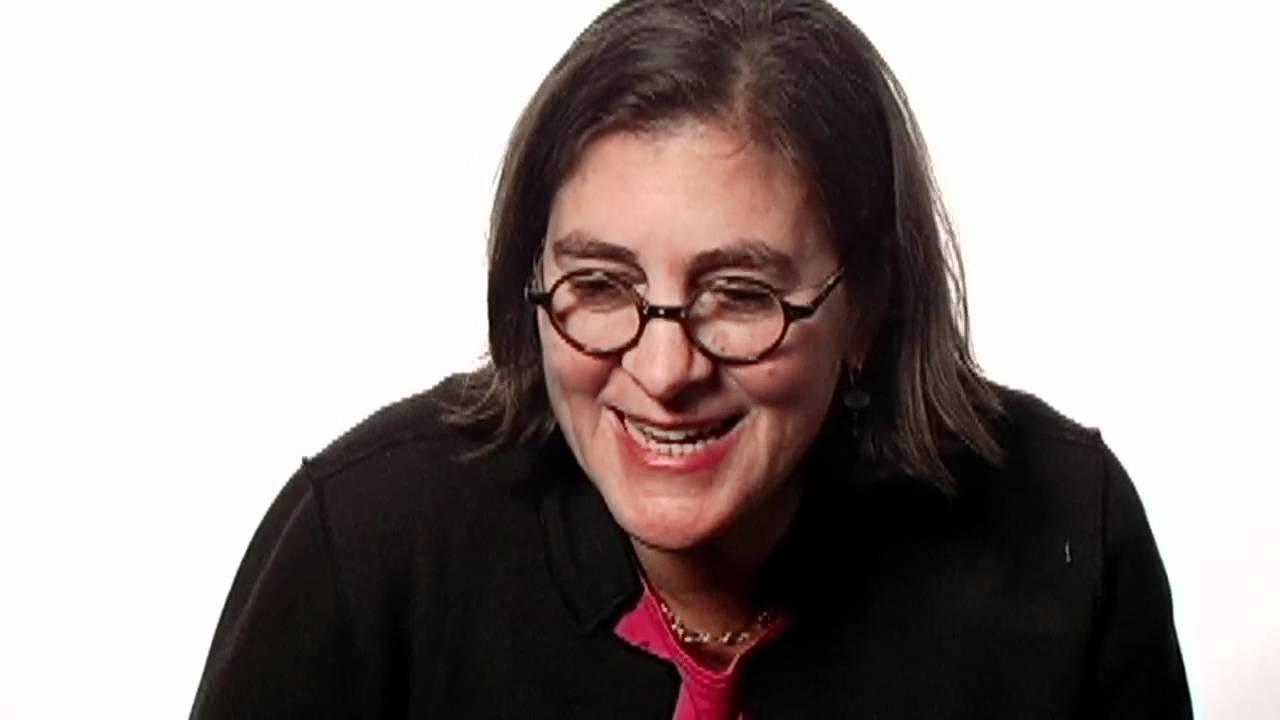
Sherman Alexie, "Method Author" | Big Think
Posted
April 24, 2012
Views
2,216
Likes
13
Comments
1
Engagement
0.63%
April 24, 2012
2,216
13
1
0.63%
Every word spoken in this episode is indexed. Type any phrase to jump straight to the moment it was said.
Type any word or phrase that may have been spoken. Click a result to seek the player to that exact moment.
Try a name, a topic, or a quoted line
Episode Timeline
Every episode in order around the one you’re watching — click any card and the page flips straight to it.
 1:33Now Playing
Sherman Alexie, "Method Author"
New videos DAILY
Join Big Think Edge for exclusive videos
----------------------------------------------------------------------------------
How getting inside a character’s mind can mean going out of your own.
----------------------------------------------------------------------------------
Sherman Alexie:
Born in 1966 on the Spokane Indian Reservation in Wellpinit, WA, Sherman Alexie is a novelist, short story writer, poet, and winner of the 2007 National Book Award in Young People's Literature for "The Absolutely True Diary of a Part-Time Indian." His other works include "The Business of Fancydancing," "I Would Steal Horses," and "The Lone Ranger and Tonto Fistfight in Heaven," a story from which was adapted into the motion picture "Smoke Signals." His novel "War Dances," the story of an author who must care for his dying alcoholic father, was released in October 2009 by Grove/Atlantic Press.
----------------------------------------------------------------------------------
TRANSCRIPT:
Question: What does it mean to be a “method author”?
Sherman Alexie: Well, in order to write about the emotional state of a character, I have to get as close as possible to being in that emotional state. So I have to get that sad, I have to get that happy, that crazed, that bizarre, that obsessed. You know, whatever one of my characters are going through, I have to find my way into it. You know, it’s just the way I do it.
Question: Can you give an example from your latest book?
Sherman Alexie: Well, there’s a story in this book [“War Dances”] called the “Ballad of Paul Nonetheless,” where he becomes so obsessed with pop music and so obsessed with his iPod, that he, you know, every thought he has becomes directly related to a song. So I went that far into it. I tried to talk only in song lyrics. You know, whenever anybody was talking to me, I drove my friends and family mad, because whenever they would talk to me, you know, I would say, “Well, that reminds me of this, you know, Rolling Stones song,” or whenever anybody said something accidentally that was a lyric or a title of a song, I would then sing the song. So it was crazy. But it got me seeing the way it was completely alienating my friends and family, really got me to a place where I could write that story about this really genial guy who’s actually very much an anti-hero.
Sentinel Indexing in Progress
Metadata and chapters are available. Claim extraction for this episode is pending.
All video content is delivered via YouTube embedded players in accordance with the YouTube Terms of Service. Sentinel provides research tools that promote discovery and accountability across political media.