Big Think
@bigthink·8.8M subscribers·10.1K videos
Why You Should Be Nice, with Stephen Post | Big Think
Posted
July 11, 2014
Views
40,766
Likes
670
Comments
78
Engagement
1.83%
July 11, 2014
40,766
670
78
1.83%
Every word spoken in this episode is indexed. Type any phrase to jump straight to the moment it was said.
Type any word or phrase that may have been spoken. Click a result to seek the player to that exact moment.
Try a name, a topic, or a quoted line
 4:33Now Playing
Why You Should Be Nice
Watch the newest video from Big Think
Join Big Think Edge for exclusive videos
----------------------------------------------------------------------------------
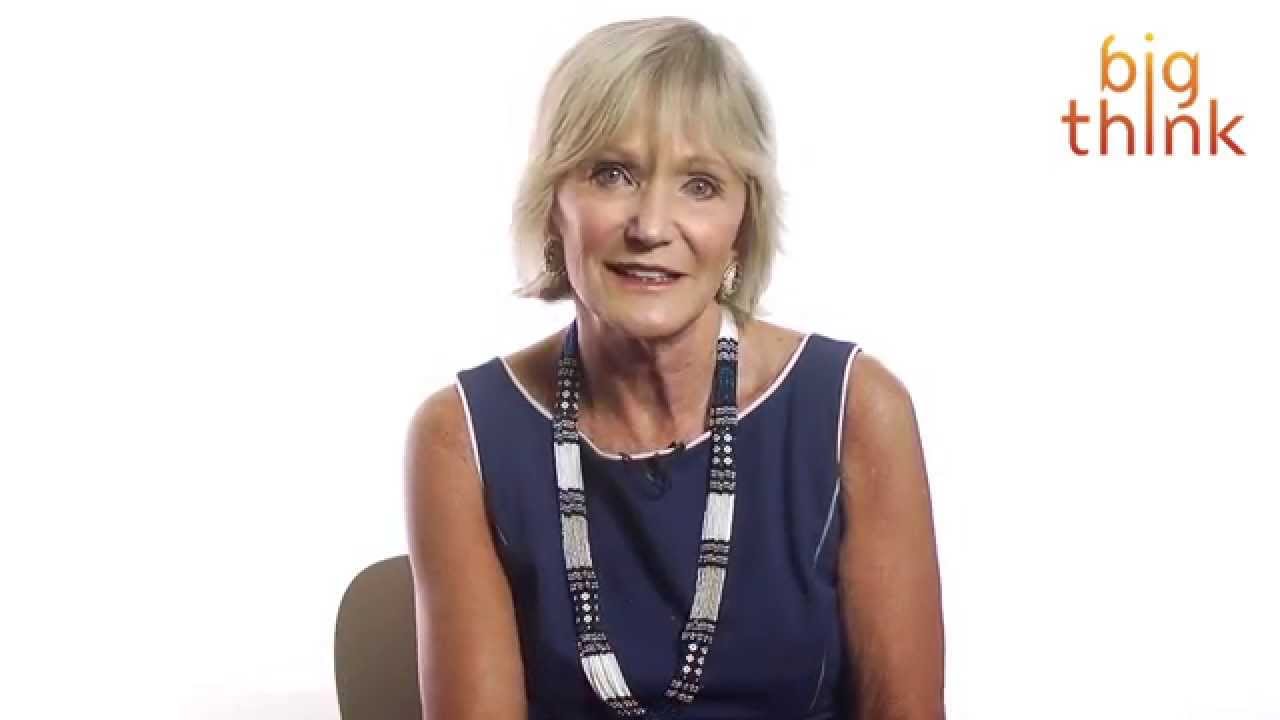
Stephen Post discusses the mental and physical benefits of altruistic behavior. Post is the author of Is Ultimate Reality Unlimited Love? ()
----------------------------------------------------------------------------------
STEPHEN G. POST:
Stephen Post is a Professor of Preventive Medicine and the Director and Founder of the Center for Medical Humanities, Compassionate Care, and Bioethics at Stony Brook University. He was previously a professor in the School of Medicine at Case Western Reserve University and a Senior Research Scholar at the Becket Institute of St. Hugh’s College, Oxford University.
Post is also a Senior Fellow in the Center for the Study of Law and Religion at Emory University, and a Senior Advisor for the Positive Psychology Center at the University of Pennsylvania. His research has been supported by the National Institutes of Health and the National Endowment for the Humanities. A public intellectual, Post has appeared widely on television programs such as Nightline and 20/20.
----------------------------------------------------------------------------------
TRANSCRIPT:
Stephen Post: If you are living a generous other-regarding altruistic life, if you are volunteering formally or just being helpful informally, are there benefits to that? And yes, our research has shown that the benefits are significant. So, for example, in one national survey Americans were asked if they volunteered in 2009. So this was a study that began in 2010 so it was looking back a year. Forty-one percent of Americans had volunteered an average of about 100 hours a year which is only two hours a week roughly. So not high thresholds. And then we asked well, did it make you feel physically healthier. Sixty-eight percent said yes. That’s kind of like getting off carbs for a little bit and, you know, feeling more energized. Did it make you feel happier? Ninety-six percent – yes.
Did it make you feel less stressed? Seventy-seven percent – yes. People developed deeper friendships, more meaningful relationships. They had a sense of gratification. They expressed greater resiliency when they experienced problems and tough times in life. So in my view if you could take those kinds of self-reported benefits and put them in a pill, market them at the drugstore, you’d be a billionaire overnight. But the thing is that you don’t really have to do that because if people simply get in touch with that evolved aspect of their being, they tend to benefit from it. So I was asked to give a talk at a group of widows and widowers. There is an association on Long Island of widows and widowers and they wanted to know if the study’s showing it really helps with getting through grief and bereavement if you’re able to report informal helping activities in your environment. I gave a really nice talk and lo and behold, at the end in the Q and A there was a guy in the back and he looked at me and he said, I don’t care what you say, buddy. I don’t do nothin’ for nothin’.
And, you know, there is that mentality that somehow you have to get reciprocal gains for everything you do. It’s all tit for tat. But if you look at the science there are lots of mental and physical benefits. We study AA a lot. We study the 12 steps which is where people in Alcoholics Anonymous help other alcoholics. We discovered that if you have the high quartile of helpers over that first year of sobriety, 40 percent of them stay sober for a whole year. If you have the low quartile of helpers only 22 percent stay sober. So high helping activity in AA where you’re a greeter at the door or you’re handing out literature or giving testimony or just meeting other people in the community who you think might need a little AA support or something like that or being a sponsor. That actually doubles the likelihood of your recovery within a one year period. There are a lot of studies like this now.
Young people, adolescents who are engaged in volunteering show lower risk for cardiovascular disease lifelong. They have lower cholesterol levels, lower stress levels, there are a whole lot of things I can talk about there. But in general it’s good to be good and science says it’s so. So I think that’s been well established and a lot of people jumped on that bandwagon. We were probably the first ones to start working seriously on that or at least among the first. There were other groups but we funded a lot of research in that area, published a lot of important things and now, you know, it’s pretty much the kind of story that you find in Parade Magazine.
Read the full transcript at
Sentinel Indexing in Progress
Metadata and chapters are available. Claim extraction for this episode is pending.
All video content is delivered via YouTube embedded players in accordance with the YouTube Terms of Service. Sentinel provides research tools that promote discovery and accountability across political media.