Big Think
@bigthink·8.8M subscribers·10.1K videos
The Film "Difret": Legal Reform and Challenging Tradition in Ethiopia | Big Think
Posted
November 4, 2015
Views
16,822
Likes
196
Comments
45
Engagement
November 4, 2015
16,822
196
45
1.43%
Every word spoken in this episode is indexed. Type any phrase to jump straight to the moment it was said.
Type any word or phrase that may have been spoken. Click a result to seek the player to that exact moment.
Try a name, a topic, or a quoted line
See what was published immediately before and after this episode.
 6:45Now Playing
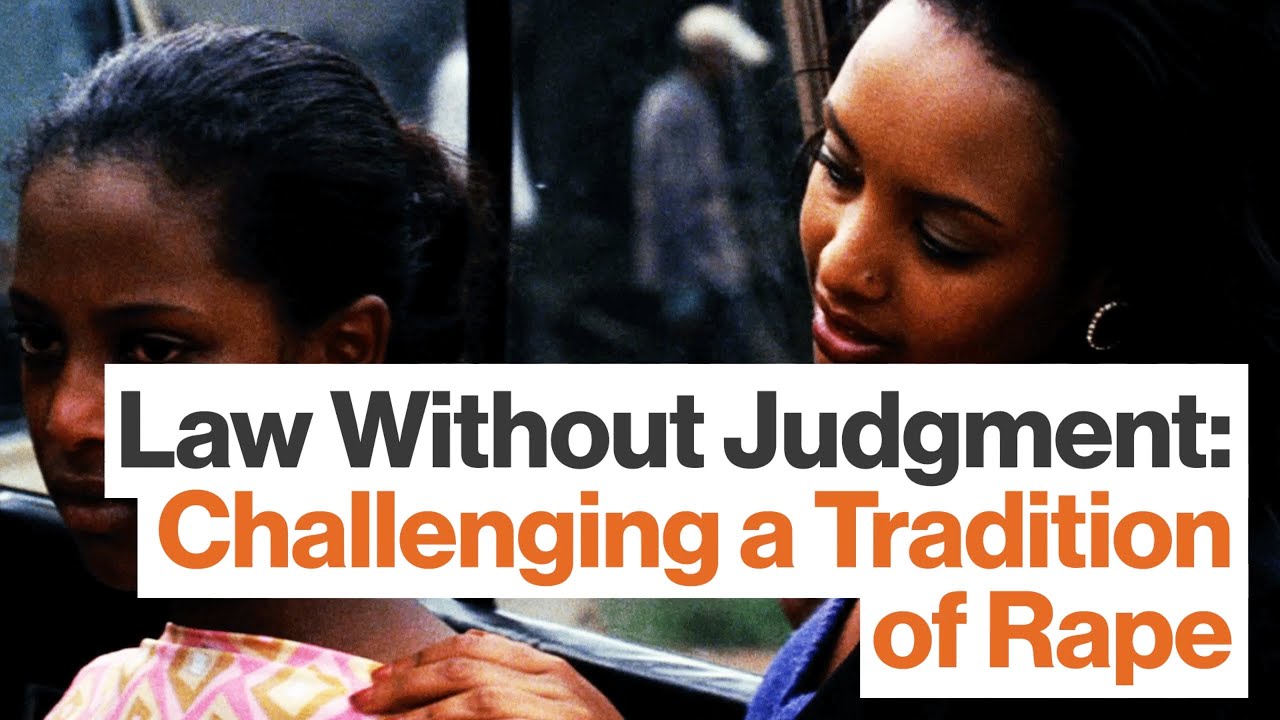
The Film "Difret": Legal Reform and Challenging Tradition in Ethiopia
Watch the newest video from Big Think
Join Big Think Edge for exclusive videos
----------------------------------------------------------------------------------
Ethiopian lawyer and women's rights activist Meaza Ashenafi discusses the matter-of-fact way too many patriarchal men treat rape. She also delves into a film, Difret in which she appears as a character.
----------------------------------------------------------------------------------
MEAZA ASHENAFI:
Meaza Ashenafi holds a degree in law and was the founder and Executive Director of the Ethiopian Women Lawyers Association (EWLA). She has worked with the Ethiopian Constitution Commission and has been active in legal reform efforts, public education and information about the rights of women and girls. Today, she is involved in the work of the African Center for Gender and Social Development of the UN’s Economic Commission for Africa, assisting in setting up the African Women’s Rights Observatory, and in designing and implementing a multifaceted program of activities. She also continues to provide free legal aid to indigent women victims of injustice.
----------------------------------------------------------------------------------
TRANSCRIPT:
Meaza Ashenafi: Ethiopia is a country with over 19 million population and the country was a long history very rich culture. And unfortunately some of the traditional practices and norms affect women negatively. And the practice of telefa, which is abducting girls for marriage, is one of the harmful practices that affect the physical and mental as well as social-economic lives of women in Ethiopia.
I heard about the story on the radio. I was in a car. I was a driver and we were listening to a radio and there was media coverage about 14-years-old girl being abducted and raped and killing her would the husband. So as soon as I learned about the story, I immediately thought that we should be going to this place, which is 300 km outside of Addis Ababa where we work. And we should be able to defend the girl. I thought about this because I believed that we should save her life because she was facing like a life sentence. And secondary, also I knew that this is going to be a big case, precedent-setting case, which we could use for public education to enhance the dialogue and the conversation around abduction around telefa. Such a story is, for some people, especially people living in the West, it's completely outside their experience; in that sense it will educate people on how women live in the other part of the world.
Secondly, it's also a call to action. I believe educational institutions, women's rights organizations and government and non-government institutions whose mandate focus on gender equality would like to use this film for advocacy, for legal reform and to sort of enhance and accelerate programs towards especially fighting child marriage around the world. That's my hope. Getting Angelina Jolie was quite helpful — the movie, the content, the history, the presentation is fantastic, but her agreeing to be executive producer really took it to another level, to another height and I think that was kind of her. I think this film is quite educational in that sense because it does not necessarily judge the community. It does not necessarily sort of point a finger to the community; it sort of shows where the thinking comes from. So it sort of makes you to have a conversation with yourself because it makes you — it's not an easy sort of sin because these people, they have lived with this tradition for a number of years and that's what they know. That's what they believe. From time to time we need to go back to the drawing board and we need to have some real conversation on why these things are happening. It's not enough to say, "Well it's the culture; well it's a tradition." We need to discuss about, unpack and discuss about why this is happening.
Ethiopian lawyer and women's rights activist Meaza Ashenafi discusses the matter-of-fact way too many patriarchal men treat rape. She also delves into a film, Difret in which she appears as a character.
Sentinel Indexing in Progress
Metadata and chapters are available. Claim extraction for this episode is pending.
All video content is delivered via YouTube embedded players in accordance with the YouTube Terms of Service. Sentinel provides research tools that promote discovery and accountability across political media.