Bloomberg News
@Bloomberg-News·2.8M subscribers·40.1K videos
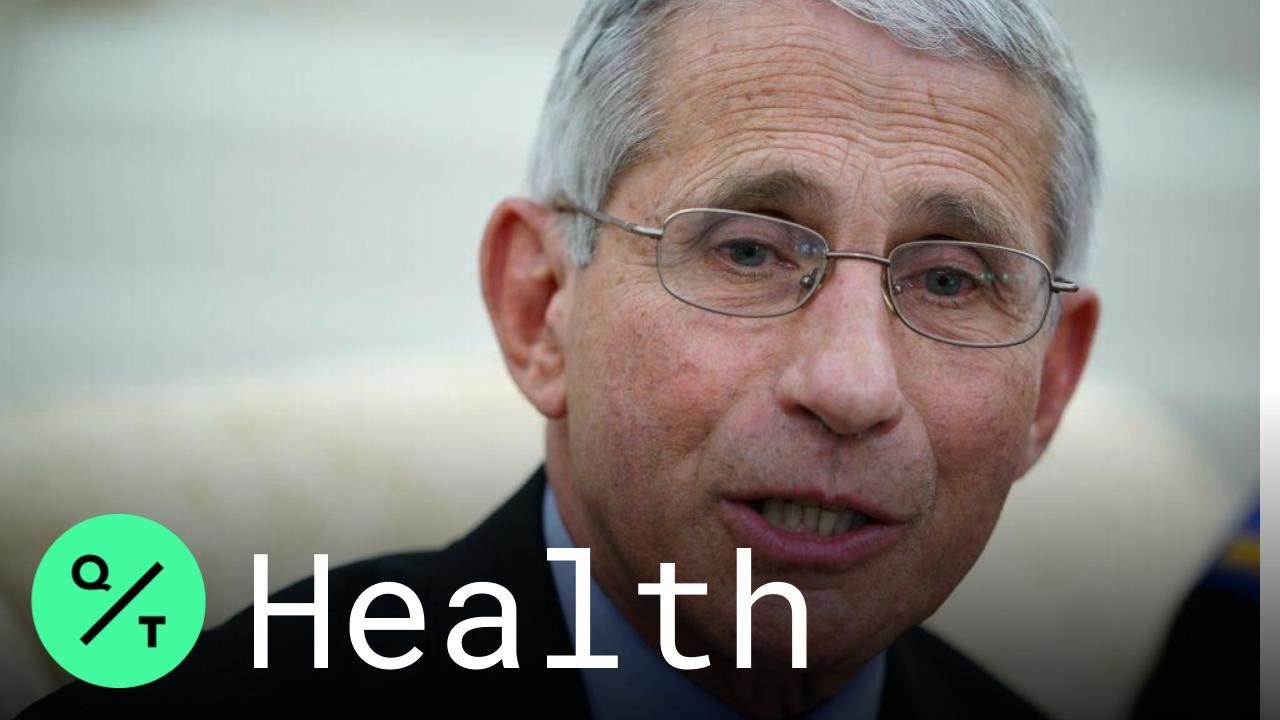
Fauci: Gilead's Remdesivir Drug Trials Show ‘Good News' Against Covid-19 Fight
Posted
April 29, 2020
Views
44,495
Likes
540
Comments
348
Engagement
April 29, 2020
44,495
540
348
2.00%
Every word spoken in this episode is indexed. Type any phrase to jump straight to the moment it was said.
Type any word or phrase that may have been spoken. Click a result to seek the player to that exact moment.
Try a name, a topic, or a quoted line
 1:31Now Playing
Gilead Sciences Inc. said early results from a U.S.-government-run study showed its experimental drug to treat coronavirus helped patients recover more quickly than standard care, suggesting it could become the first effective treatment for an illness that has turned modern life inside-out.
The company issued a news release early Wednesday commenting on the study from the U.S. National Institute of Allergy and Infectious Diseases without providing details of the results.
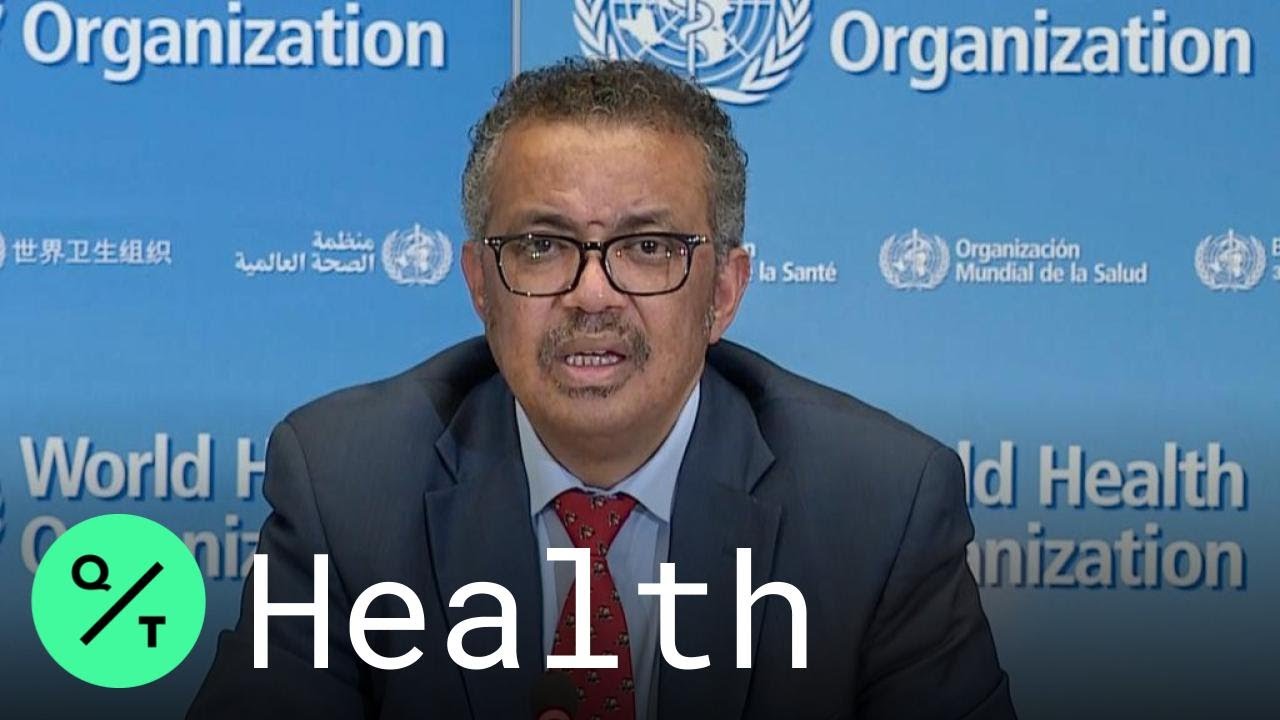
Anthony Fauci, the head of NIAID and the government’s top infectious-disease specialist, said at a White House meeting with President Donald Trump and Louisiana Governor John Bel Edwards that the trial showed a significant positive effect on the virus and that the results “were quite good news.”
Fauci called the study the “first truly high-powered randomized placebo-controlled trial” of remdesivir.
Gilead’s share price and the broader stock market have been churned in recent weeks by a series of early looks and leaks of trial data on the drug, called remdesivir. Last week, the market swooned after apparently discouraging results from a Chinese trial were accidentally posted on a World Health Organization web page. Data confirming those more downbeat results were published in the U.K. medical journal The Lancet on Wednesday.
Gilead shares jumped as much as 7.1% Wednesday after the company’s statement. The news appeared to boost the entire U.S. stock market as well, with the S&P 500 gaining 2.4% despite data showing a deep contraction in the U.S. economy in the first quarter of the year.
Remdesivir, which was originally developed to treat other novel viruses, has placed Gilead at the head of the race to develop a treatment for Covid-19. The drug, which has also been tested on Ebola, hasn’t been approved for use anywhere in the world.
A separate study released by Gilead on Wednesday said remdesivir appears equally effective when it’s given over just five days, rather than the 10-day course used in the NIAID and other trials. But the Gilead study doesn’t have a comparison group, so its findings are considered less robust.
The five-day regimen “could significantly expand the number of patients who could be treated with our current supply of remdesivir,” said Merdad Parsey, Gilead’s chief medical officer.
Taken together, the studies could signal a profound shift in the race to get the novel coronavirus under control. The availability of a treatment could allow the world to start reopening economies, as well as offer psychological relief to billions of people who have been self-isolating to hide from the virus.
In the most severe cases, Covid-19 can lead to respiratory failure and death. More than 1 million cases have been confirmed in the U.S., and over 200,000 people have died around the globe from the illness.
Multiple trials of the drug are being conducted. The NIAID trial measured how quickly patients taking it were able to be removed from supplemental oxygen therapy or were discharged from the hospital. It’s not known yet how much benefit the Gilead drug gave patients, and if it will make a meaningful difference in their care.
The trial, run by the National Institutes of Health, aimed to sign up about 800 patients to test the drug and give a definitive answer as to whether it can help treat the illness.
An NIAID representative said in an email that the agency is planning an announcement Wednesday, with the most likely venue the White House task-force briefing.
Gilead’s study of 397 patients with severe disease found those given the drug for five days did just as well as those who were treated for twice as long, and in some cases appeared to fare even better.
Two weeks after treatment, 65% of those who got the five day dose had recovered, compared with just 54% of those who received the infusion for 10 days. The death rate showed a similar trend, with 8% of patients getting less drug dying, compared with 11% in the 10 day group. The difference wasn’t statistically significant, which means it could have happened by chance.
Remdesivir will likely be approved for use in certain settings on the basis of the positive result, said Jefferies health-care strategist Jared Holz, at least until better alternatives are available.
“There is a massive bias to look at the data with half-glass-full approach,” he said, adding that it’s “totally fair given the current predicament.”
Subscribe to our YouTube channel
QUICKTAKE ON SOCIAL:
Follow QuickTake on Twitter: twitter.com/quicktake
Like QuickTake on Facebook: facebook.com/quicktake
Follow QuickTake on Instagram: instagram.com/quicktake
Subscribe to our newsletter
Email us at quicktakenews@gmail.com
QuickTake by Bloomberg is a global news network delivering up-to-the-minute analysis on the biggest news, trends and ideas for a new generation of leaders.
Sentinel Indexing in Progress
Metadata and chapters are available. Claim extraction for this episode is pending.
All video content is delivered via YouTube embedded players in accordance with the YouTube Terms of Service. Sentinel provides research tools that promote discovery and accountability across political media.