Bloomberg News
@Bloomberg-News·2.8M subscribers·40.1K videos
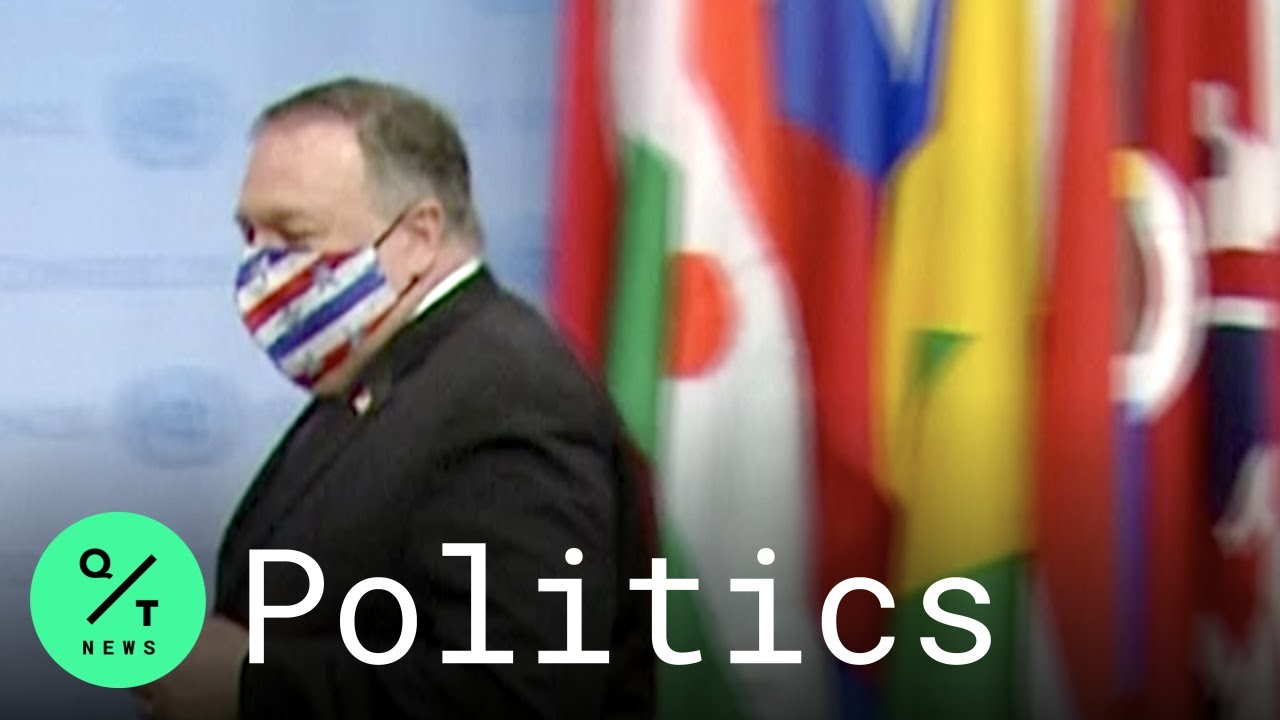
Pompeo Formally Demands UN Restore Nuclear Sanctions Against Iran
Posted
August 20, 2020
Views
12,776
Likes
124
Comments
108
Engagement
August 20, 2020
12,776
124
108
1.82%
Every word spoken in this episode is indexed. Type any phrase to jump straight to the moment it was said.
Type any word or phrase that may have been spoken. Click a result to seek the player to that exact moment.
Try a name, a topic, or a quoted line
 2:37Now Playing
The Trump administration on Thursday formally notified the United Nations of its demand for all U.N. sanctions on Iran to be restored, setting off an immediate confrontation with Russia and other Security Council members who called the U.S. move illegal.
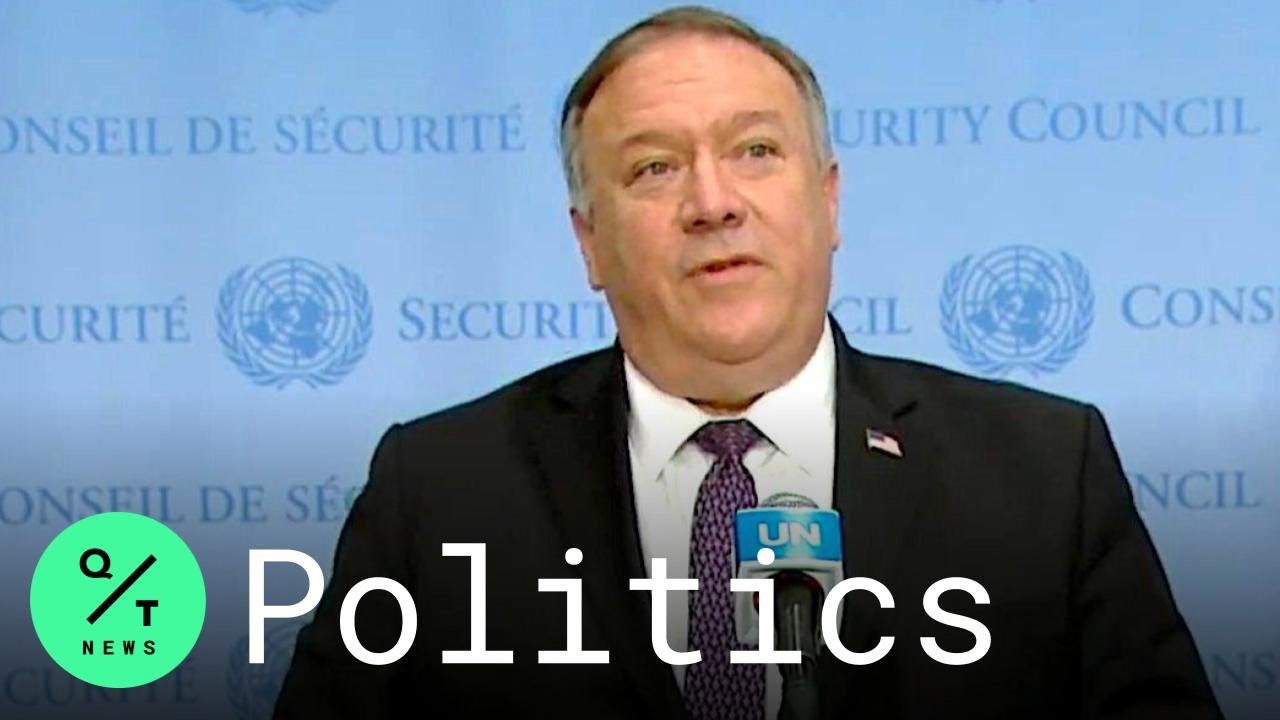
Secretary of State Mike Pompeo delivered the notification to the president of the U.N. Security Council, citing significant Iranian violations of the 2015 nuclear deal, a requirement to “snap back” U.N. sanctions.
Speaking to reporters in New York Pompeo said “"our message is very, very simple. The United States will never allow the world's largest state sponsor of terrorism to freely buy and sell planes, tanks, missiles and other kinds of conventional weapons. These U.N. sanctions will continue the arms embargo."
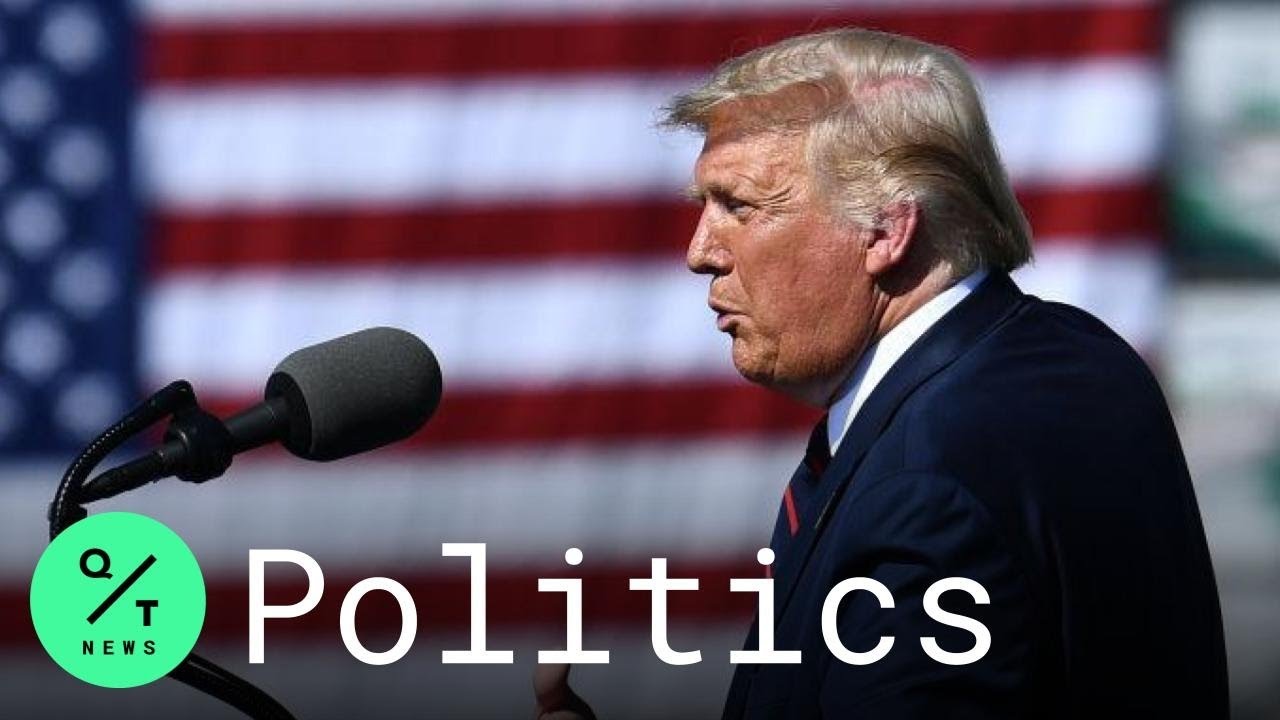
At the heart of the showdown in the U.N.’s most powerful body is President Donald Trump’s 2018 withdrawal from the 2015 nuclear deal between six global powers and Iran.
The U.S. maintains that under the Security Council resolution endorsing the agreement it retains the right as an initial party to invoke the provision to “snap back” sanctions.
Russia, China, Britain, France and virtually all other council members say the Trump administration does not have the right since it is no longer a party to the Joint Comprehensive Plan of Action, or JCPOA.
The U.S. action sets the stage for a showdown that could lead to a crisis of credibility for the Security Council.
Even before Pompeo presented the council president with the notice, other members rejected the step.
In a letter presented to Indonesia's ambassador to the U.N., Dian Triansyah Djani, whose country currently holds the rotating presidency of the council, Pompeo said the U.S. was notifying the body of “significant non-performance” by Iran related to the nuclear deal.
As a result, Pompeo said the process leading to the re-imposition of U.N. sanctions had been initiated.
The U.N.'s nuclear watchdog, the International Atomic Energy Agency, has reported some Iranian violations of the agreement, but Tehran says those are the result of the U.S. violating the accord by withdrawing from it and then re-imposing harsh unilateral sanctions.
Pompeo noted that the European participants in the deal had attempted to bring Iran back into compliance. But he said “despite extensive efforts and exhaustive diplomacy on the part of those member states, Iran's significant non-performance persists."
“As a result, the United States is left with no choice but to notify the council that Iran is in significant non-performance of its JCPOA commitments,” Pompeo wrote.
Pompeo's letter was accompanied by a six-page explanation of why the U.S. believes it retains the right to invoke snapback.
The U.S. insistence that it can authorize snapback had already been rejected by virtually all other members of the 15-nation council.
Germany, a participant in the Iran deal but not a council member, is also opposed.
Subscribe to our YouTube channel
QUICKTAKE ON SOCIAL:
Follow QuickTake on Twitter: twitter.com/quicktake
Like QuickTake on Facebook: facebook.com/quicktake
Follow QuickTake on Instagram: instagram.com/quicktake
Subscribe to our newsletter
Email us at quicktakenews@gmail.com
QuickTake by Bloomberg is a global news network delivering up-to-the-minute analysis on the biggest news, trends and ideas for a new generation of leaders.
Sentinel Indexing in Progress
Metadata and chapters are available. Claim extraction for this episode is pending.
All video content is delivered via YouTube embedded players in accordance with the YouTube Terms of Service. Sentinel provides research tools that promote discovery and accountability across political media.